
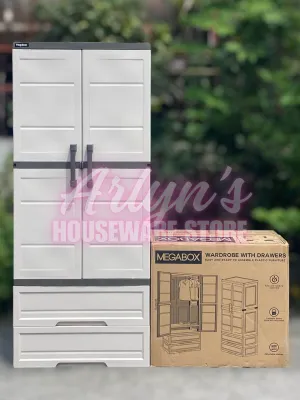
Finding the right wardrobe for your bedroom requires a careful balance between available floor space and your personal storage habits. The Megabox 186 wardrobe is a popular choice for modern homes, but determining if it is the right fit for your specific room requires more than a quick visual estimate. To make an informed decision, you must systematically measure your physical space, evaluate the internal layout against your actual clothing inventory, and plan for the practicalities of delivery and assembly.
In tropical climates like the Philippines, room layout and furniture placement also directly impact air circulation and comfort. High humidity levels mean that cramming a large wardrobe into a tight corner without proper clearance can restrict airflow, potentially leading to moisture buildup. By taking a methodical approach to spatial planning, you can ensure your new wardrobe serves as a highly functional storage solution rather than an awkward obstacle in your daily routine.
Quick Decision Framework for the Megabox 186 Wardrobe
Before committing to a purchase, a structured evaluation helps prevent costly spatial mistakes. This quick decision framework outlines the essential steps to verify compatibility before the unit arrives at your home.
Products mentioned in this guide
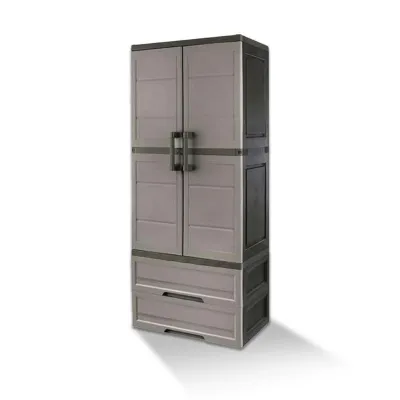
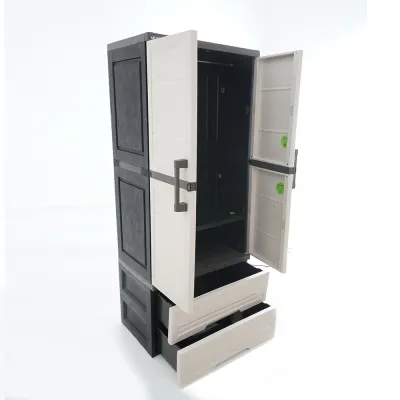
![[ONHAND] MG-186 WARDROBE CABINET 2D/Megabox Wardrobe Cabinet 2D/ Megabox Cabinet with 2 Drawer/ MG-186/ Wardrobe Organizer/ Lagayan ng damit #megabox #mg-186 #drawer #organiser #lagayanngdamit](https://img.lazcdn.com/g/p/6ab33c33b1ca51edb7af801195f1760c.jpg_400x400q80.jpg_.webp)
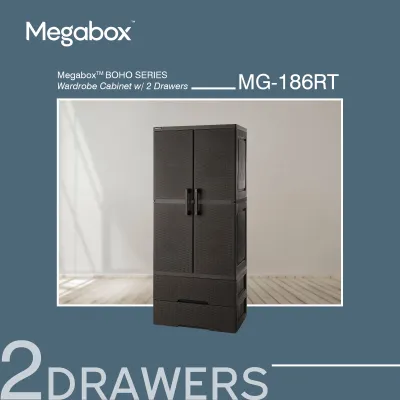
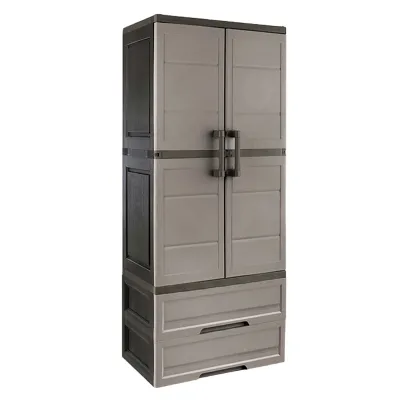
![[PREORDER] Megabox Boho Sereies Wardrobe with 2 Drawers/ Boho Design Cabinet with Drawers/ MG-186RT /AFFORDABLE DRAWER/ ORGANIZER/ TRENDY WARDROBE / HIGH QUALITY DRAWER / MATIBAY / SLIM/ SPACE SAVING STORAGE BOX/ DURABOX](https://img.lazcdn.com/g/p/f8d62b95215a612beb4cf5014c7891ff.jpg_400x400q80.jpg_.webp)
Prices are valid at publication and may change. Please refer to the product page for the latest price.
- Check the Manufacturer's Specifications: Always locate the official product listing or physical packaging label to find the exact exterior height, width, and depth of the Megabox 186 wardrobe. Do not rely on approximate online descriptions, as even a few centimeters of variance can prevent a wardrobe from fitting into a designated alcove.
- Measure Your Clear Floor Space: Use a metal measuring tape to determine the exact dimensions of the floor area where you plan to position the wardrobe. Ensure this space is completely free of obstructions and allows for comfortable movement around your bed.
- Analyze Your Storage Requirements: Take an honest inventory of your current clothing collection. Note whether you require more hanging space for formal wear or shelf space for folded items, and compare this with the wardrobe's internal configuration.
- Plan the Assembly and Access Paths: Verify that the packaged boxes can physically pass through your front door, hallways, and bedroom entrance. Additionally, confirm you have enough physical clearance in the bedroom to assemble the unit flat on the floor if required by the manual.
Measuring Your Bedroom Space and Clearances
Accurate room measurement is the foundation of successful furniture placement. When planning for a wardrobe as substantial as the Megabox 186, you must account for both the static footprint of the unit and the dynamic space required to use it daily.

Begin by measuring the width and depth of the designated floor area. It is vital to measure along the floorboards rather than higher up the wall, as baseboards, quarter-rounds, and wall trim can reduce the actual usable floor space by several centimeters. If your bedroom features a recessed alcove, measure the width at the back, middle, and front of the opening, as walls in residential buildings are rarely perfectly square.
Next, consider the operational clearances required for the wardrobe doors and drawers. If the Megabox 186 wardrobe features hinged doors, you must measure the width of the door panels and ensure there is an unobstructed path for them to swing fully open. For sliding door models, ensure there is sufficient clearance to stand comfortably in front of the open section while retrieving items. If the unit includes pull-out drawers, measure their maximum extension depth to prevent them from colliding with your bed frame or nightstands.
Vertical clearance is another critical factor that is frequently overlooked. Measure your ceiling height from the floor to the lowest point of the ceiling. In many homes, overhead obstacles such as ceiling fans, light fixtures, surface-mounted wiring conduits, or wall-mounted air conditioning units can severely restrict where a tall wardrobe can stand. Ensure the top of the wardrobe will sit safely below these fixtures to maintain proper ventilation and prevent accidental damage.
Finally, evaluate the overall traffic flow within your bedroom. A well-planned room should maintain at least 60 to 70 centimeters of walking space between the wardrobe and other major furniture pieces, such as the bed. This ensures you can move freely through the room, make the bed, and access your clothing without feeling cramped or restricted.
Evaluating Storage Capacity and Internal Layout
A wardrobe’s exterior dimensions only tell half the story; its true value lies in how efficiently the internal layout accommodates your personal belongings. Before purchasing, you should conduct a thorough audit of your clothing to ensure the internal compartments align with your daily storage needs.
Start by categorizing your entire wardrobe into distinct groups: hanging garments, folded items, shoes, and smaller accessories. In tropical regions like the Philippines, daily wear often consists of lightweight fabrics, t-shirts, and casual wear that are easily folded and stacked. However, you may still have formal wear, delicate dresses, or structured jackets that require dedicated hanging space to prevent creasing and maintain fabric quality.
Once you have a clear picture of your inventory, review the manufacturer’s internal layout diagram for the Megabox 186 wardrobe. Pay close attention to the height of the hanging rods and the vertical spacing between shelves. If you have a significant collection of long dresses or trousers, verify whether the hanging section offers enough vertical clearance to prevent the hems of your clothes from pooling on the bottom shelf or floor of the wardrobe.
Identify any potential storage gaps where the standard layout might not perfectly match your habits. For example, if the wardrobe features deep shelves but you have a large collection of small accessories, socks, or undergarments, these items can easily become disorganized in a large open space. In such cases, you can plan to integrate supplementary storage solutions, such as fabric storage bins, plastic drawer inserts, or hanging organizers, to maximize the efficiency of the existing shelves.
Additionally, consider the material properties of your clothing in relation to the wardrobe’s construction. In humid environments, proper air circulation inside the wardrobe is essential to prevent musty odors. Avoid packing shelves too tightly; leaving small gaps between folded stacks allows air to circulate, keeping your clothes fresh and reducing the risk of moisture retention.
Verifying Delivery, Assembly, and Safety Requirements
The process of bringing a new wardrobe into your home requires careful logistical planning. Ensuring that the unit can be safely transported, assembled, and secured is just as important as verifying that it fits your bedroom layout.
First, confirm the packaging dimensions of the Megabox 186 wardrobe prior to delivery. You must measure the narrowest points of your delivery path, including stairwells, tight hallway corners, elevator doors, and bedroom door frames. If you live in a multi-story home or an apartment building, ensuring the flat-packed boxes can navigate these tight spaces is crucial to avoiding delivery day complications.
Next, review the manufacturer’s assembly instructions to understand the physical demands of the build. Many large wardrobes require a flat floor area that is larger than the wardrobe itself to assemble the frame safely before raising it upright. Ensure you have cleared enough temporary workspace in your bedroom or an adjacent hallway to lay out the panels and hardware. Gather the recommended tools, such as a hammer, screwdrivers, or a spirit level, before beginning the assembly process.
Safety must always be a priority when installing tall bedroom furniture. Due to their height and front-heavy nature when doors are opened or drawers are extended, tall wardrobes present a potential tip-over hazard. It is highly recommended to secure the wardrobe to the wall using the manufacturer’s supplied wall-anchoring hardware. Verify your wall type—whether concrete, drywall, or hollow block—to ensure you use the correct wall plugs and screws for a secure, stable hold.
Frequently Asked Questions (FAQ)
What if my bedroom floor is slightly uneven?
An uneven floor can cause a wardrobe to lean, which prevents doors from aligning properly and can cause drawers to stick or slide open on their own. If the Megabox 186 wardrobe includes adjustable leveling feet in its hardware kit, use a spirit level to adjust each foot until the unit is perfectly level. If the model does not feature adjustable feet, you can use thin, durable furniture shims placed carefully under the base to correct minor irregularities. Once the wardrobe is level, check the operation of all doors and drawers to ensure they open and close smoothly. For severe structural floor sloping that compromises the stability of heavy furniture, consult a qualified carpenter or contractor to assess and reinforce the area.
Can I modify the internal shelves to change the layout?
Before attempting to modify the internal layout, consult the product manual to see if the shelves are designed to be adjustable. Many modern wardrobes feature pre-drilled holes along the inner side panels, allowing you to move shelf support pins to different heights. If these pre-drilled holes are present, you can easily customize the shelf spacing to fit taller items. However, you should avoid drilling new holes or cutting the panels yourself, as this can weaken the structural integrity of the engineered wood or plastic components and will likely void the manufacturer’s warranty. For flexible, non-permanent adjustments, utilize aftermarket organizers, freestanding shelf risers, or hanging fabric shelves that do not require physical modifications to the wardrobe’s frame.

Community discussion
Share your experience or ask a question. Comments are reviewed before publication.