
Selecting the perfect bed headboard design is more than just an aesthetic decision; it is a balancing act of scale, function, and proportion. When you pair a headboard with your bed frame, you are defining the visual anchor of your entire bedroom. Whether you are working with a compact single bed in a high-rise condo, a spacious double bed in a suburban family home, or a heavy-duty storage bed designed to maximize space, the relationship between the frame and the headboard dictates both the comfort and the flow of the room. By understanding how different bed frame types interact with various headboard heights, materials, and mounting styles, you can create a cohesive sanctuary that feels both balanced and intentional.
Core Principles of Proportion and Style Matching
To achieve a balanced look, you must first understand visual weight. Visual weight refers to how much attention a piece of furniture commands in a room. A dark, solid mahogany headboard has high visual weight and can easily dominate a small space, whereas an open-frame rattan or light-colored upholstered design feels much lighter. If your bed frame is low-profile and minimalist, pairing it with an excessively tall or heavily tufted headboard can make the setup look top-heavy and unstable.
Proportion is equally critical when matching widths. The standard rule is that a headboard should at least match the outer width of your bed frame. For a clean, modern look, aligning the headboard flush with the bed frame edges is ideal. However, allowing a slight overhang of 5 to 10 centimeters on each side can create a softer, more integrated look, especially when using plush fabrics. Prices for headboards in the Philippines vary widely, ranging from budget-friendly options under ₱3,000 for simple wooden panels to premium custom upholstered designs exceeding ₱15,000.
Products mentioned in this guide


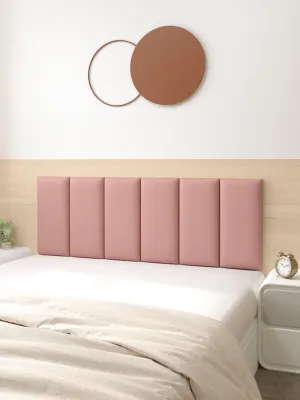
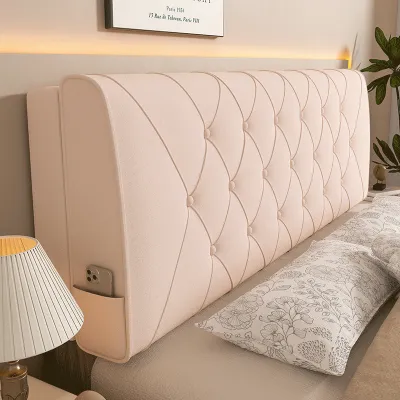
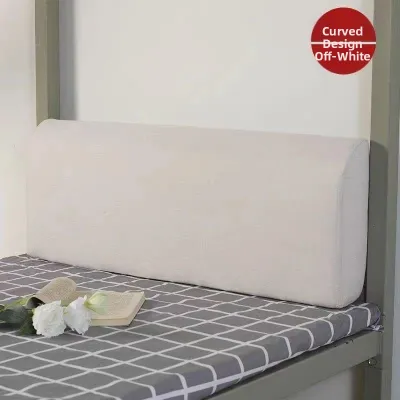
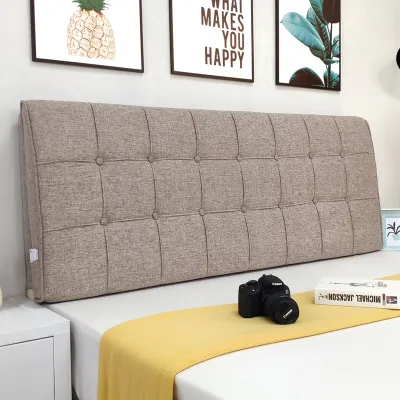
Prices are valid at publication and may change. Please refer to the product page for the latest price.
Material selection must coordinate with both the bed frame’s finish and the local climate. In the Philippines, the tropical climate and high relative humidity require careful material considerations. While deep velvet upholstery looks luxurious, it can trap heat and moisture, potentially leading to mold if not placed in a well-ventilated or air-conditioned room. Natural materials like woven rattan, cane, or treated local hardwoods offer excellent breathability and align beautifully with contemporary tropical aesthetics. If you prefer upholstered headboards, look for moisture-resistant fabrics or removable, washable slipcovers that can withstand regular cleaning.
Finally, always evaluate your ceiling height and wall space. A tall headboard (measuring 130 to 150 centimeters from the floor) requires a room with high ceilings to prevent the space from feeling cramped. For standard condo units with lower ceilings, a horizontal, low-profile headboard helps stretch the room visually, making the walls appear wider than they actually are.
Choosing Headboard Designs for Single Bed Frames
Single bed frames, typically measuring 36 by 75 inches (91 by 190 centimeters), are the go-to choice for children’s rooms, guest bedrooms, and studio apartments. Because these frames have a narrow profile, the accompanying headboard design must be carefully scaled to avoid overwhelming the limited floor area.

To maximize the perception of space, vertical, slim-profile, or floating headboards are highly recommended. A floating headboard mounts directly to the wall, leaving the floor underneath completely clear. This open floor space creates the illusion of a larger room and makes cleaning much easier. Vertical slats or slim panel designs draw the eye upward, effectively highlighting vertical space and making low ceilings feel higher.
When it comes to width, single bed headboards should generally align flush with the mattress edges. An oversized headboard on a single bed can look awkward and disjointed, taking up valuable wall space that could otherwise accommodate a wardrobe or a small study desk. Stick to clean, straight lines and minimalist profiles.
For materials in compact spaces, light-colored upholstery, pale woods, or open-frame metal designs work best. An open metal spindle headboard, for instance, allows light to pass through, maintaining an airy and unobstructed sightline across the room.
Functionally, single beds in tight quarters often serve double duty as daybeds or lounge seating during the day. If you plan to prop yourself up with pillows to study, work on a laptop, or watch television, prioritize a headboard that offers comfortable back support. A slim, lightly padded upholstered panel provides the necessary cushioning without adding unnecessary bulk to the bed’s overall footprint.
Choosing Headboard Designs for Double Bed Frames
Double bed frames—including standard doubles, queen, and king sizes—require a substantial visual anchor to ground the bedroom. A larger bed frame naturally dominates the room, and without a properly proportioned headboard, the bed can look unfinished or dwarfed by the surrounding walls.
To create a balanced focal point, consider wider, horizontally paneled, or classic tufted headboards. Horizontal panels help visually widen the room, making a double bed feel integrated into the architecture of the space. Tufted designs, whether in classic diamond patterns or modern vertical channels, add depth and texture, breaking up the flat surface of a large wall.
An increasingly popular design choice for double beds is the extended headboard. This design extends significantly beyond the width of the mattress, often spanning the entire length of the main wall. By extending the headboard, you can seamlessly integrate bedside tables, wall sconces, and electrical outlets into a single, unified wall feature. This approach mimics the look of a high-end hotel and eliminates the clutter of mismatched furniture.
Symmetry and texture scaling are vital when dealing with larger surfaces. Ensure that the scale of any patterns, tufts, or wood grain is proportionate to the size of the bed. For example, tiny, intricate patterns can look busy and chaotic on a king-size headboard, whereas larger geometric shapes or broad wood planks create a more harmonious and restful visual experience.
Ultimately, the headboard must coordinate with the structural presence of the double bed frame. If you have a thick, solid wood or fully upholstered platform frame, pair it with a headboard of similar visual weight. A thin, flimsy metal headboard paired with a heavy wooden frame will look structurally mismatched and visually unbalanced.
Balancing Visual Weight for Storage Bed Frames
Storage bed frames are excellent for maximizing utility, especially in space-conscious urban homes. However, because they feature built-in drawers or hydraulic gas-lift compartments, these frames are naturally taller, deeper, and visually heavier than standard bed bases. This extra bulk presents a unique design challenge.
To prevent a storage bed from looking bottom-heavy, you must pair it with a substantial, grounded headboard design. A delicate, short, or overly thin headboard will easily be dwarfed by the thick base of the storage frame, making the entire setup look awkward and unfinished. Choose a headboard with enough height and thickness to match the visual presence of the heavy base.
Functional boundaries are critical when configuring a headboard for a storage bed frame. If your frame utilizes a hydraulic lift mechanism that tilts the mattress upward, you must ensure that the headboard’s thickness and mounting position do not interfere with the movement of the mattress. For storage beds with side or footboard drawers, verify that the headboard does not push the bed frame so far forward that it blocks drawer clearance or prevents you from opening bedside tables.
Additionally, pay close attention to the structural connection. Storage beds are subject to regular movement and weight shifts as you open drawers or lift the mattress platform. This repeated motion can place significant stress on frame-attached headboards, leading to loose bolts, squeaking, or damage to the frame’s mounting brackets. To ensure stability and safety, it is highly recommended to use a wall-mounted headboard or a freestanding design securely anchored to the wall, isolating the headboard from the operational movement of the storage base.
Step-by-Step Measuring and Installation Guide
Before purchasing or installing any headboard, always consult the manufacturer instructions for both your bed frame and the headboard. If instructions conflict, or if you are dealing with an unidentified frame type, consult a qualified professional.
Step 1: Measure the Space. Begin by measuring the exact outer width of your bed frame, as this will determine the minimum width of your headboard. Next, measure the height of your mattress from the floor, including any mattress toppers. You want to ensure the headboard begins below the top level of the mattress so there is no visible gap where pillows can slip through. Finally, measure the available wall space, taking note of electrical outlets, light switches, and window frames that could limit the headboard’s height or width.
Step 2: Select the Mounting Type. Decide on the mounting method that best suits your bed frame and wall structure:
- Frame-Attached: This method uses bolts to secure the headboard directly to the back of the bed frame. It is convenient because the bed and headboard move as a single unit, but it requires compatible pre-drilled holes on both pieces.
- Wall-Mounted: The headboard hangs directly on the wall using interlocking brackets (cleats). This is the most secure option for heavy, tall, or upholstered designs, but it requires drilling into your wall.
- Freestanding: The headboard stands on the floor and is held in place by pushing the bed frame tightly against it and the wall. This is a damage-free option ideal for rental properties.
Step 3: Mark and Align. If you are wall-mounting, use painter’s tape to outline the exact dimensions of the headboard on the wall. This allows you to visualize the final placement. Use a spirit level to ensure the top line is perfectly straight. Locate the mounting brackets on the back of the headboard, transfer those measurements to the wall, and mark the exact drill points with a pencil.
Step 4: Secure and Verify. For wall-mounted installations, safety is paramount. In the Philippines, residential walls are commonly made of concrete or hollow concrete blocks. To mount securely, you must use a hammer drill, masonry drill bits, and high-quality plastic wall plugs (locally referred to as “tox”) paired with heavy-duty screws. If you are mounting onto a drywall partition, you must locate the wooden or metal studs using a stud finder; never mount a heavy headboard directly into drywall without stud support or heavy-duty toggle bolts. Once the brackets are installed, hang the headboard and check its stability. For frame-attached models, tighten all bolts securely with washers. Gently shake the headboard to verify there is no wobbling. If you detect any instability, or if the wall structure is unclear, stop immediately and consult a professional installer.
Frequently Asked Questions (FAQ)
Can I use a headboard wider than my bed frame?
Yes, using a headboard wider than your bed frame is a popular design choice that can create a luxurious, hotel-like aesthetic. This setup is particularly effective for double, queen, or king beds, as it allows the headboard to frame both the bed and the bedside tables, creating a unified focal point. However, you must ensure your bedroom is wide enough to accommodate the extra width. Measure carefully to confirm that the extended headboard will not block walkways, closet doors, or electrical outlets that you need to access regularly.
Do I need a headboard for a storage bed?
While a headboard is not structurally required for the storage mechanism or drawers to function, it is highly recommended. Storage beds feature thick, heavy bases that can look visually unbalanced without a headboard to anchor them. Additionally, a headboard serves important practical purposes: it protects your wall from scuffs, dirt, and oils, keeps your pillows from sliding down the back of the bed, and provides comfortable physical support when you are sitting up in bed.

Community discussion
Share your experience or ask a question. Comments are reviewed before publication.