
Selecting the right Dorabox configuration requires a clear understanding of your wardrobe’s physical limits and your personal storage habits. By systematically measuring your space, categorizing your belongings, and verifying safety limits, you can build a customized internal storage system that maximizes efficiency and keeps your clothing organized. In tropical climates like the Philippines, where high humidity can quickly lead to musty odors or mold on fabrics, choosing the right storage setup is even more critical. A well-planned configuration turns a cluttered closet into an efficient storage system where every item has its place, is easy to access, and remains protected from dust and moisture.
Step 1: Measure Your Wardrobe's Internal Dimensions
Before selecting any storage boxes, you must obtain precise measurements of the interior of your wardrobe. Do not rely on the external dimensions provided by the manufacturer, as the thickness of the outer panels and internal partitions reduces the actual usable space. Use a reliable metal measuring tape to record the clear width, depth, and height of every individual shelf, drawer, and hanging compartment.
When measuring the width, pay close attention to potential obstructions like sliding door tracks, door hinges, magnetic catches, and center support pillars. If a storage box is even a millimeter wider than the clear opening between two hinges, you will not be able to slide it in or out without scraping the wardrobe frame. Always measure the narrowest point of the opening rather than the wider interior space behind the frame.
Products mentioned in this guide
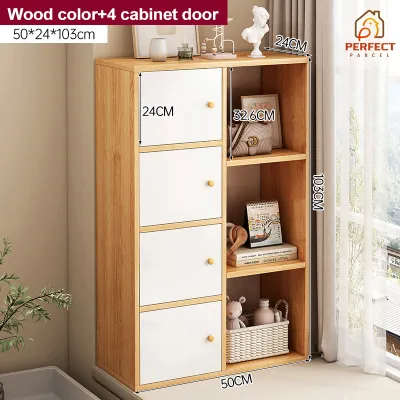
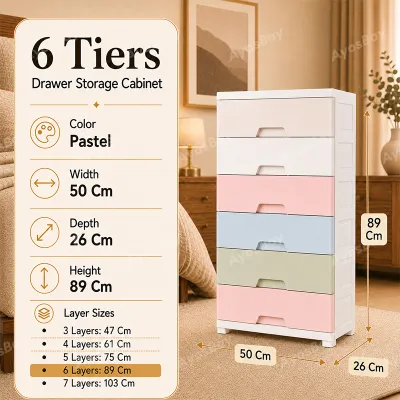
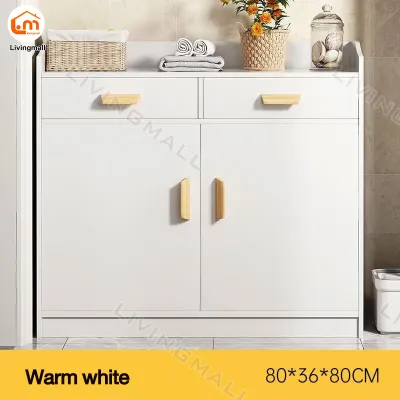
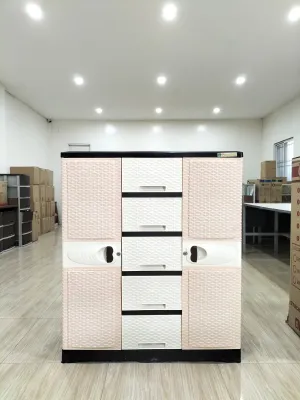
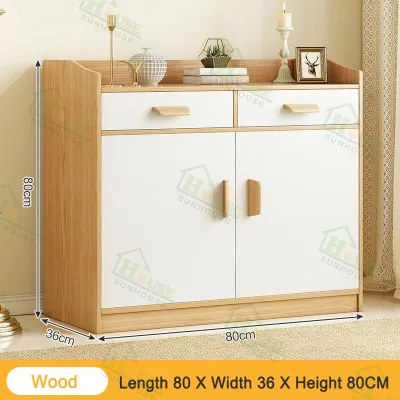
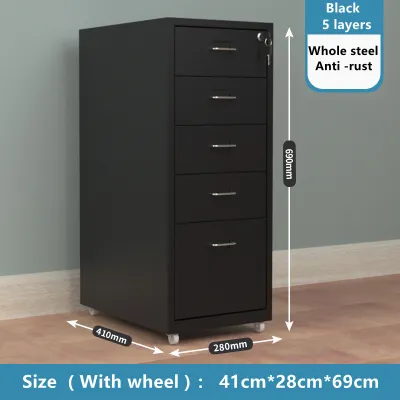
Prices are valid at publication and may change. Please refer to the product page for the latest price.
Depth and height are equally critical dimensions that dictate how your storage boxes will sit on the shelves. Measure from the back panel to the inside edge of the door frame, ensuring you leave enough clearance so the wardrobe doors can close completely without pressing against the front of the boxes. While it is tempting to fill every vertical inch, you must leave a clearance gap of at least 2 to 3 centimeters at the top of each stack to allow for easy removal and essential air circulation.
Step 2: Assess Your Clothing and Storage Requirements
Once you have recorded your wardrobe’s physical limits, the next step is to evaluate what you actually need to store. Empty your closet completely and sort your clothing into distinct categories based on fabric weight, bulkiness, and frequency of use. In the Philippines, wardrobes typically consist of lightweight tropical clothing like cotton t-shirts, linen shirts, shorts, and activewear, alongside heavier items like denim jeans, formal wear, and occasional jackets.

Group your items into categories such as folded everyday wear, delicate garments, undergarments, and seasonal or infrequently used items. Folded t-shirts and shorts require medium-sized compartments where they can be stacked neatly without tipping over. Heavier, bulkier items like denim or light jackets need deeper, wider boxes that can accommodate their volume. For small accessories, socks, and underwear, smaller divided organizers are much more effective at preventing a chaotic jumble.
Estimate the volume of storage space required for each category by physically stacking the folded items on a bed or table. This visual representation helps you determine how many boxes of each size you need to purchase. For items you wear daily, open-front or easy-access pull-out configurations are ideal because they allow constant air exchange and quick retrieval. For delicate fabrics, closed storage boxes with secure lids help keep dust out, but they should be paired with moisture-absorbing packets to prevent dampness from being trapped inside.
Step 3: Match Dorabox Types to Your Wardrobe Zones
An efficient wardrobe is divided into distinct functional zones based on accessibility. The golden rule of closet organization is to place high-frequency items in the easy-reach zone (between your waist and eye level), low-frequency or seasonal items in the high zone (top shelves), and heavy or bulky items in the low zone (wardrobe floor or bottom shelves). You can match different Dorabox configurations to these zones to maximize both space and convenience.
Deep, high shelves are notorious for becoming black holes where clothes get lost at the back. To solve this, use deep, stackable modular units that utilize the full depth of the shelf. By choosing boxes with clear front panels or pull-out drawer mechanisms, you can easily see and retrieve items stored at the very back without having to pull down the entire stack. Stackable configurations allow you to build a vertical column of storage that acts like a custom chest of drawers on an otherwise open shelf.
For shallow shelves or built-in wooden drawers, smaller and divided configurations work best. These compact units are perfect for organizing underwear, socks, belts, and ties. Instead of tossing these small items into a large drawer where they inevitably get mixed up, placing divided organizers inside the drawer keeps each item visible and separated. For lower zones, such as the wardrobe floor, larger and sturdier boxes are ideal for storing extra bed linens, towels, or shoes, keeping them clean and off the dusty floor.
Step 4: Verify Compatibility and Safety Limits
Before finalizing your purchase and stacking your new storage boxes, you must verify that your planned configuration is structurally safe and compatible with your wardrobe’s load limits. Every shelf in a wardrobe has a maximum weight capacity, which is determined by its material, thickness, and support brackets. Lightweight particleboard or wire shelves can sag or even collapse if overloaded with multiple heavy, fully packed storage boxes.
Check the manufacturer’s weight capacity labels for both your wardrobe shelves and the storage boxes themselves. If you are storing heavy items like denim jeans, bedsheets, or winter coats, distribute the weight evenly across the shelf rather than concentrating it in one spot. Place the heaviest boxes on the bottom shelf or the wardrobe floor to maintain a low center of gravity, which prevents the wardrobe itself from becoming top-heavy and posing a tip-over hazard.
When stacking modular boxes, pay close attention to the interlocking mechanisms. Modular storage systems feature grooves, tabs, or nesting lids that lock the upper box securely onto the lower one. Always ensure these joints are fully engaged and aligned. Never stack boxes higher than the manufacturer’s recommended limit, even if you have the vertical space to do so. An unstable, towering stack can easily topple over when you pull out a drawer or during minor seismic vibrations.
Common Sizing and Configuration Mistakes to Avoid
One of the most common mistakes when organizing a wardrobe is ignoring the door swing clearance and drawer extension paths. It is easy to measure a shelf and find a box that fits perfectly on paper, only to realize during installation that the wardrobe door hinge blocks the box from being pulled out. Always test the path of movement for any drawer or pull-out box to ensure it can extend fully without hitting the door frame, hinges, or adjacent furniture.
Another frequent error is overloading lightweight shelves with heavy, tightly packed boxes. While plastic storage boxes are durable, they are not designed to support unlimited weight. Overloading can warp the boxes, making it difficult to open drawers or slide lids off, and can permanently damage your wardrobe’s internal shelving. If you must store heavy items, opt for smaller boxes to naturally limit the weight of each unit, or reinforce your wardrobe shelves with additional support brackets.
Lastly, avoid the temptation to buy a large quantity of uniform, identical boxes without a clear plan. While a closet filled with matching boxes looks visually appealing, it is rarely practical. Different clothing items require different storage environments; a box that is perfect for bulky sweaters is far too deep for socks, leading to wasted vertical space or a messy interior. Mix and match compatible sizes within the same modular system to create a tailored setup that matches your actual wardrobe inventory.
Frequently Asked Questions (FAQ)
Can I mix different Dorabox sizes in the same wardrobe section?
Yes, you can mix different sizes within the same wardrobe section, provided they belong to the same modular product line. Many modular storage systems are designed with matching footprints, allowing a medium box to stack perfectly on top of a larger one, or two small boxes to sit side-by-side on a single medium base. Always check the manufacturer’s specifications to confirm which sizes are designed to interlock. When mixing sizes, always place the largest and heaviest boxes at the bottom of the stack to maintain structural stability and prevent the column from tipping over.
How do I clean and maintain Dorabox units inside a closed wardrobe?
To keep your storage units clean and your clothes smelling fresh, perform regular maintenance at least once every few months. Empty the boxes and wipe both the interior and exterior surfaces with a soft, damp microfiber cloth to remove accumulated dust. Avoid using harsh chemical cleaners or abrasive pads that can scratch plastic or damage fabric linings. Because closed wardrobes in tropical climates can trap humidity, leave the wardrobe doors and the storage boxes open for a few hours during a dry, sunny day to allow air to circulate and prevent musty odors from developing.

Community discussion
Share your experience or ask a question. Comments are reviewed before publication.