
Maximizing the storage capacity of a modern steel wardrobe requires a strategic approach to its interior layout. Unlike traditional wooden closets, steel wardrobes offer rigid, smooth surfaces that can be highly efficient if paired with the right non-invasive organizing tools. By utilizing a combination of adjustable shelves, lightweight bins, and hanging organizers, you can transform a basic metal cabinet into a highly functional, customized closet system.
Achieving this level of organization does not require permanent modifications or drilling into the metal frame. Instead, the key lies in understanding the physical dimensions of your wardrobe, respecting its weight limits, and selecting organizers that leverage the unique properties of steel, such as its compatibility with magnetic accessories. With a systematic zoning plan, you can easily accommodate everything from daily tropical wear to bulky bedding.
Assess Your Space and Wardrobe Limits
Before purchasing any bins or hanging shelves, you must accurately measure the interior dimensions of your steel wardrobe. Use a metal measuring tape to record the exact height, width, and depth of each compartment. It is crucial to account for any protruding hardware, such as door hinges, magnetic latches, or handle screws, which can catch on drawers or prevent wide storage bins from sliding out smoothly.
Products mentioned in this guide
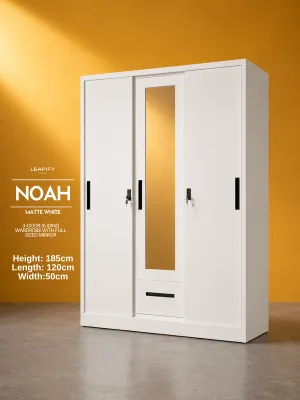

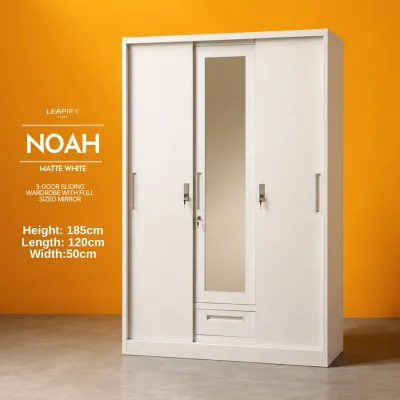


Prices are valid at publication and may change. Please refer to the product page for the latest price.
While the Luke modern steel wardrobe is engineered for durability, you must check the manufacturer’s specific weight limits for its shelves and hanging rods. Steel is exceptionally sturdy, but overloading a single shelf can lead to bowing, joint stress, or structural damage over time. If you cannot find the official weight limits, a safe practice is to distribute heavier items like luggage or storage boxes at the very bottom of the wardrobe, keeping lighter garments on the upper levels.
Identifying underutilized areas, or “dead spaces,” is another essential step in your initial assessment. Look closely at the gap between the top shelf and the ceiling of the wardrobe, the empty floor space beneath hanging clothes, and the flat interior surfaces of the doors. These overlooked zones are prime real estate for lightweight organizers, hanging pocket systems, or magnetic hooks that do not interfere with the main storage compartments.
Consider also the physical stability of the wardrobe itself when fully loaded. If your steel wardrobe is tall and narrow, placing heavy items on the top shelves can make it top-heavy and prone to tipping. Ensure the unit is placed on a level floor, and check if the manufacturer recommends anchoring it to the wall, especially if you plan to maximize every inch of vertical space with dense storage.
Choose the Right Organizers for Steel Interiors
Selecting the right storage containers is vital for maintaining an orderly steel wardrobe. Stackable plastic bins are excellent for organizing folded t-shirts, activewear, and accessories because they protect fabrics from dust and are easy to wipe clean. Clear acrylic boxes offer the added benefit of visibility, allowing you to see exactly what is inside without having to pull down and open multiple containers.

For delicate garments or lightweight items, fabric drawers and soft canvas bins provide a gentler alternative. These breathable containers prevent snagging on metal edges and are highly flexible, making them easy to squeeze into tight shelf spaces. However, in humid tropical environments, it is wise to choose synthetic fabrics or treated canvas that resist moisture absorption to keep your clothes smelling fresh.
Since drilling into steel is difficult and can ruin the protective finish, look for tension-based or freestanding organizers. Tension rods can be wedged between steel walls to create extra hanging space for lightweight items, while freestanding shelf risers can double the usable surface area of a single shelf. Fabric hanging organizers with hook-and-loop straps can easily wrap around the existing metal closet rod without requiring any tools.
One of the greatest advantages of a steel wardrobe is its compatibility with magnetic accessories. Heavy-duty magnetic hooks can be placed directly onto the interior walls or doors to hold belts, bags, or hats. To protect the painted or powder-coated finish of your wardrobe from scratches, choose magnets with rubber or silicone backings, or apply a thin layer of felt tape to the contact points. Investing around ₱500 to ₱2,000 in high-quality, non-invasive organizers can completely transform your storage experience without damaging the wardrobe.
Configure Your Wardrobe Zones Step-by-Step
An organized wardrobe relies on a logical zoning system that places items where they are easiest to access based on daily routines. Begin by designating the highest shelves for seasonal items, extra bedding, or travel gear that you only need occasionally. Because these shelves require a reach or a step stool, keeping daily essentials here will quickly become inconvenient and disrupt your routine.
The eye-level zone, stretching from your shoulders to your knees, is the most valuable real estate in your wardrobe. This area should be reserved exclusively for daily wear, such as work attire, casual shirts, and frequently used trousers. Keeping these items at eye level reduces the time spent searching for outfits in the morning and helps you maintain the overall order of the closet.
The bottom section of the wardrobe is ideal for heavy, bulky items or footwear. Placing heavy storage boxes, shoes, or sports equipment at the base keeps the center of gravity low, which enhances the stability of the entire steel unit. You can use low-profile plastic crates or rolling bins in this zone to make retrieving items from the very back of the wardrobe effortless.
Once your zones are established, install your hanging organizers to handle smaller accessories like socks, underwear, or folded shorts. Position these organizers toward the sides of the hanging rod so they do not block your view of hanging clothes. Ensure that the depth of these hanging shelves does not prevent the wardrobe doors from closing completely or put pressure on the door hinges.
To maximize the efficiency of your hanging rod, transition to uniform, slim hangers. Bulky wooden or plastic hangers take up a significant amount of horizontal space and can limit the number of garments you can hang. Slim velvet or metal hangers keep clothes securely in place, prevent slipping, and can instantly free up to thirty percent of your hanging space.
Group your hanging clothes by category and then by color to create a visually clean and easy-to-navigate space. For example, hang all short-sleeve shirts together, followed by long-sleeve shirts, and then trousers. This systematic grouping allows you to see your entire wardrobe at a glance, preventing you from buying duplicate items and making outfit coordination much faster.
Apply Advanced Space-Saving Techniques
If you are dealing with limited space, vacuum storage bags are an indispensable tool for compressing bulky items. Thick blankets, comforters, or off-season jackets can be sealed and compressed to a fraction of their original size. These flat, airtight bags can then be stacked neatly on the top shelf of your steel wardrobe, protecting the contents from dust, pests, and tropical humidity.
The interior side of steel wardrobe doors is often completely ignored, yet it offers valuable vertical storage. You can attach magnetic storage pockets or lightweight over-the-door organizers to hold small items like sunglasses, watches, jewelry, or ties. This keeps your daily accessories organized and easily accessible right as you get dressed, without taking up any shelf or rod space.
Maintaining an organized wardrobe over the long term requires a disciplined approach to what you keep inside. Implementing a “one-in, one-out” rule is a highly effective way to prevent clutter from accumulating. Whenever you purchase a new piece of clothing, commit to donating, recycling, or discarding an older item to keep your wardrobe’s volume consistent and manageable.
Perform Routine Safety and Maintenance Checks
To ensure your steel wardrobe remains safe and functional, perform regular inspections of its structural components. Check the hanging rods and shelf supports every few months to ensure they are not sagging or showing signs of stress. If you notice any bending, immediately redistribute the weight by moving heavier items to the bottom of the wardrobe or removing unnecessary clutter.
In humid tropical climates like the Philippines, managing moisture is just as important as managing physical space. Periodically wipe down the interior steel surfaces and your storage bins with a dry microfiber cloth to prevent dust accumulation. During these cleanings, inspect the corners, joints, and edges for any chipped paint or early signs of rust, which should be addressed promptly according to the manufacturer’s care guidelines.
When cleaning your steel wardrobe, avoid using harsh chemical solvents, bleach, or abrasive scrubbing pads. These aggressive cleaning agents can strip away the protective powder coating or paint, leaving the underlying steel vulnerable to corrosion. Stick to a mild solution of dish soap and warm water, and always ensure the surfaces are completely dry before putting your clothes and organizers back inside.
Frequently Asked Questions (FAQ)
Can I drill into a steel wardrobe to add custom shelves?
Drilling into a steel wardrobe is generally not recommended because it can permanently damage the structure and void the manufacturer’s warranty. Creating holes in the steel sheet metal exposes the raw iron underneath to air and moisture, significantly increasing the risk of rust. Additionally, standard home drills may slip on the smooth metal surface, causing unsightly scratches or personal injury. Instead of drilling, utilize non-invasive alternatives such as tension rods, freestanding shelf risers, or heavy-duty magnetic hooks, which provide excellent customization without damaging the wardrobe.
How do I prevent musty odors in a closed steel wardrobe?
Musty odors are usually caused by trapped moisture, which is a common issue in humid regions when clothes are stored before they are completely dry. To prevent this, always ensure your laundry is thoroughly dry before placing it inside the wardrobe. You can place disposable moisture-absorbing canisters or reusable silica gel packets in the corners of the shelves to capture excess humidity. Additionally, leave the wardrobe doors open for a few hours during dry, sunny days to promote air circulation, and avoid packing your clothes too tightly, as airflow is essential for keeping fabrics fresh.

Community discussion
Share your experience or ask a question. Comments are reviewed before publication.