
Finding the right cabinet shelf organizer for your living room cabinet requires more than just a quick visual estimate. A poorly fitted organizer can prevent cabinet doors from closing, scratch delicate interior veneers, or fail to maximize your available storage space. In the Philippines, where seasonal humidity can cause wooden furniture to expand or contract, taking precise measurements is the most critical step in your home organization project. By understanding how to measure your cabinet’s interior and account for structural hardware, you can select an organizer that slides in seamlessly and functions reliably for years to come.
How to Measure Your Cabinet's Internal Dimensions Accurately
To ensure a flawless fit, you must measure the actual interior space of your cabinet rather than relying on the manufacturer’s external specifications. Grab a reliable metal measuring tape and prepare to take multiple measurements for each dimension, as wooden furniture is rarely perfectly square.
Begin by measuring the internal width of the cabinet shelf. Take this measurement at three distinct points: the top, the middle, and the bottom of the shelf opening. Over time, the weight of heavy books or decorative items can cause side panels to bow outward, or humidity can cause them to warp inward. Always use the smallest of these three measurements as your maximum width limit when shopping for organizers.
Products mentioned in this guide
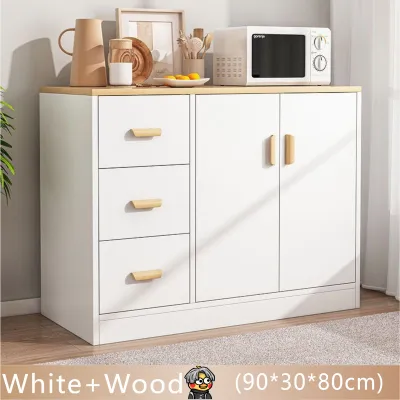
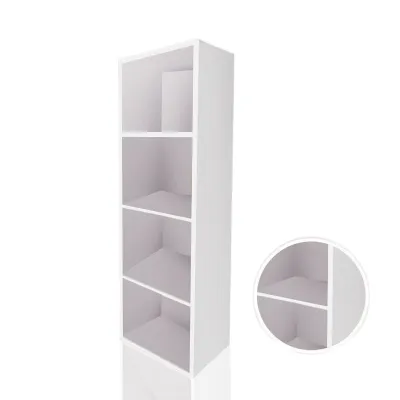
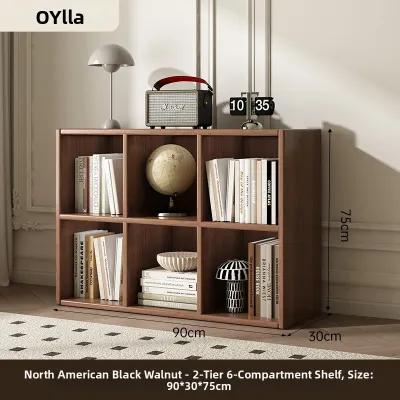
Prices are valid at publication and may change. Please refer to the product page for the latest price.
Next, measure the internal depth from the inner back panel to the front edge of the shelf. If your cabinet has doors, do not measure all the way to the outer edge of the frame. Instead, measure up to the point where the inside of the closed door rests. Be sure to note any protruding back lips, decorative molding, or structural backboards that might reduce the usable depth.
Finally, measure the vertical height between the shelves. If your cabinet features adjustable shelving, look closely at the shelf pins or support brackets. These small metal or plastic pegs often protrude into the cabinet space and can obstruct an organizer that is too close to the maximum height. Measure the clearance between the pins themselves if they are located along the path where your organizer will sit.
How to Account for Clearance, Hardware, and Weight Limits
Even if an organizer’s dimensions match your cabinet’s internal measurements on paper, physical hardware and structural limits can prevent it from functioning properly. You must account for these hidden obstacles before making a purchase.

First, subtract clearance margins for door hinges, drawer slides, and handle hardware. Many living room cabinets feature European-style concealed hinges that protrude significantly into the cabinet opening when the doors are open. If you choose a pull-out drawer or a sliding bin, it will catch on these hinges unless you leave a clearance margin of at least two to three centimeters on each side.
Second, evaluate the weight capacity of your existing cabinet shelves. A heavy organizer made of solid wood or thick steel, combined with the weight of books, electronics, or ceramic decor, can easily exceed the safe load limit of a manufactured wood shelf. Check your cabinet’s manual or inspect the shelf joints to estimate its stability. Opt for lightweight wire or plastic organizers if you suspect your shelves cannot support heavy loads.
Third, consider how the organizer’s base interacts with the cabinet shelf. In tropical climates, high humidity can trap moisture between flat surfaces, leading to mold growth or damage to the cabinet’s finish. Look for organizers with raised feet or breathable wire designs that allow air to circulate. Ensure the base has smooth edges or protective rubber pads to prevent scratching the cabinet’s interior veneer when sliding the organizer in and out.
How to Match Organizer Types to Your Cabinet Layout
Selecting the right style of organizer depends entirely on your cabinet’s specific dimensions and how you plan to access your items daily. Matching the organizer’s design to your layout ensures that no space goes to waste.
For deep cabinets where items stored at the back are difficult to reach, evaluate pull-out drawers or sliding bins. These organizers bring deep-seated items into view, preventing forgotten clutter. However, ensure that the drawer slides can fully extend without hitting the open cabinet doors or the door frame.
For tall vertical spaces that require horizontal categorization, consider stackable bins or tiered risers. Tall shelves often result in a lot of wasted space above your items. Tiered risers are excellent for displaying books or small decorative pieces, while stackable bins allow you to categorize smaller items vertically. Always verify that the combined height of the stacked units leaves enough clearance at the top for easy hand access.
If your cabinet has an unusual, non-standard, or slightly irregular width, use adjustable or expandable shelf inserts. These organizers can be stretched or compressed to fit the exact width of your shelf, eliminating awkward gaps. They are highly versatile and can be repurposed easily if you decide to rearrange your living room furniture in the future.
Common Sizing Mistakes to Avoid When Buying Organizers
Avoiding common measurement and selection errors can save you from the frustration of dealing with returns or damaged furniture.
The most frequent mistake is relying on external cabinet dimensions. Many online product listings for cabinets only display external measurements, which include the thickness of the top, bottom, and side panels. Always open the cabinet doors and measure the interior space directly to avoid buying an organizer that is too large.
Another common oversight is ignoring the thickness of the organizer’s own walls. While an organizer might fit perfectly inside your cabinet, thick wooden or plastic walls can significantly reduce the internal storage capacity available for your items. If you plan to store specific items like large binders or storage boxes, check the organizer’s internal dimensions to ensure they will fit inside.
Finally, do not forget to measure the room’s doorway, hallway, or staircase if the organizer comes pre-assembled. A large, rigid organizer might fit inside your spacious living room cabinet, but it will do you no good if you cannot maneuver it through a narrow entryway or around a tight corner in your home.
Frequently Asked Questions (FAQ)
Can I use tension rods or adhesive mounts inside my living room cabinet?
Using adhesive mounts inside wooden or veneered cabinets carries a high risk of damaging the finish. In warm, humid climates, adhesives can degrade, melt, or bond permanently to the wood veneer, peeling it off when removed. Tension rods are a safer, non-permanent alternative, but only if your cabinet’s side walls are structurally rigid. Soft or thin manufactured wood panels may bow outward under the pressure of a tension rod, compromising the cabinet’s structural integrity.
What should I do if my cabinet shelves are not perfectly level?
If your living room cabinet shelves are slightly warped or uneven, rigid, hard-sided organizers may wobble or slide. To solve this, look for organizers equipped with adjustable leveling feet, or place small felt pads or leveling shims underneath the base to stabilize them. Alternatively, use flexible, soft-sided storage bins made of woven fabric or natural fibers. These materials can easily conform to minor shelf unevenness without jamming, tipping, or scratching the cabinet interior.

Community discussion
Share your experience or ask a question. Comments are reviewed before publication.