
Finding the right coffee table size for your living room is a balancing act between your sofa’s dimensions and the physical space around it. A table that is too large blocks foot traffic and makes a room feel cramped, while one that is too small looks awkward and forces you to stretch uncomfortably to set down a glass. By taking a few precise measurements of your existing furniture and mapping out clear pathways, you can select a coffee table that fits your space correctly and enhances your daily comfort.
The goal is to find a table that serves its functional purpose—holding drinks, books, and decor—while maintaining a visually light and physically open environment. Whether you are furnishing a spacious suburban home or a compact city condominium, the process begins with your primary seating.
Measure Your Sofa to Establish the Baseline
Your sofa is the anchor of your living room, and its dimensions dictate the ideal scale of your coffee table. To establish your baseline, start by measuring the total length of your sofa from outer arm to outer arm. You also need to measure the height from the floor to the top of the seat cushions, ensuring the measuring tape is held straight and taut.
Products mentioned in this guide
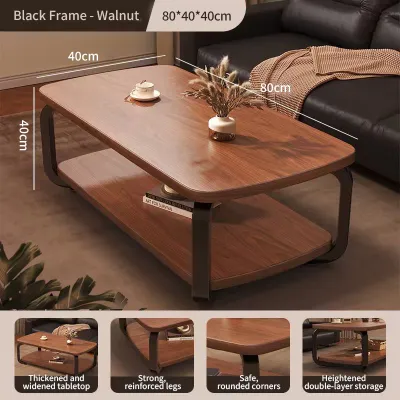
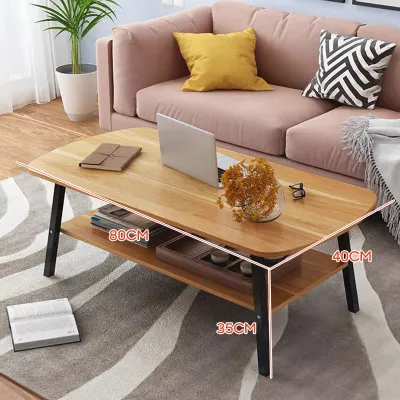
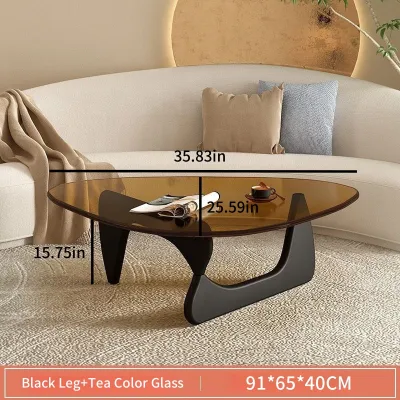
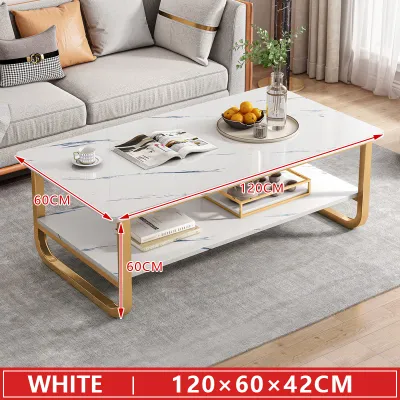
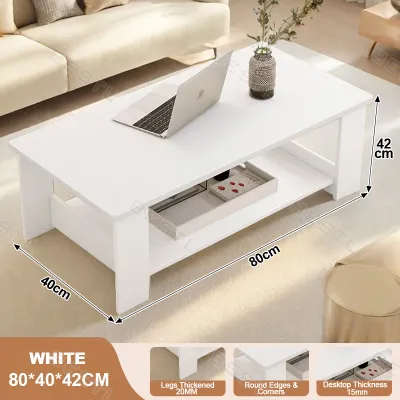
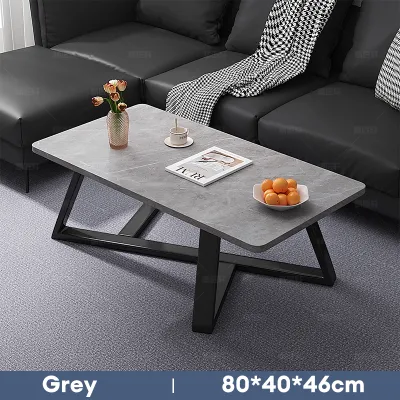
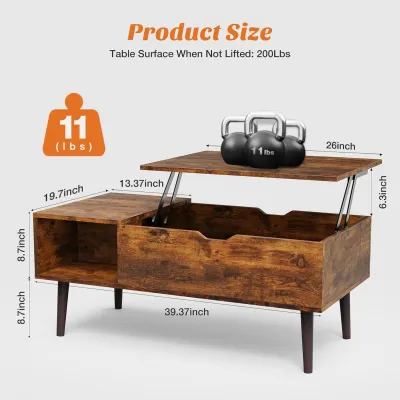
Prices are valid at publication and may change. Please refer to the product page for the latest price.
A reliable rule of thumb for visual balance is that your coffee table should be approximately two-thirds the total length of your sofa. For example, if your sofa is 180 centimeters long, look for a table that is roughly 120 centimeters in length. This proportion ensures the table is long enough for everyone seated to reach it, without extending past the ends of the sofa and making the seating area look crowded.
Height is equally critical for comfort and ergonomics. Measure the height of your sofa cushions when they are slightly compressed, as this represents the actual height when you are seated. Your coffee table should align closely with this measurement, sitting at the exact same height or up to five centimeters lower to keep drinks and remote controls within easy reach.
Calculate the Ideal Length, Width, and Height
Once you have your sofa’s baseline measurements, you can calculate the specific dimensions of your target coffee table. The length should stay within the two-thirds range, but you must also consider the depth of your seating. A deep, plush sofa often requires a wider table to maintain visual proportion, whereas a sleek, shallow sofa pairs better with a narrower design.

Width and depth must be balanced against the overall scale of the room. In a typical living room, a coffee table’s width should allow for comfortable movement on all sides while still providing enough surface area for daily use. If you choose a table that is too narrow, it may look like a bench rather than a functional centerpiece, failing to anchor the seating group.
For height, matching the sofa cushion level is the standard approach, but you should also account for your household’s lifestyle. If you frequently eat casual meals or work from the sofa, a slightly taller table or a lift-top model might be more practical. Conversely, if you want a relaxed, modern lounge feel, a lower profile table can make the room feel more open and airy.
Map Out Clearances for Comfortable Movement
Even a well-proportioned coffee table will feel frustrating if you constantly bump your shins against it. To prevent a cramped layout, maintain a clear distance of 35 to 45 centimeters between the front edge of the sofa and the edge of the coffee table. This gap provides ample legroom for sitting and standing while keeping the table close enough for easy reach.
You must also consider the wider traffic patterns in your living room. Main walkways around the seating area should have at least 75 to 90 centimeters of clear space so family members can walk past without turning sideways. This is especially important in tropical climates where open, breezy layouts help maximize airflow from electric fans or air conditioning units.
Before committing to a purchase on an online marketplace, mock up the footprint of the table on your floor. Use painter’s tape or lay down flattened cardboard boxes cut to the exact dimensions of the table you are considering. Walk around this temporary template for a day or two to verify that it does not block your natural paths or interfere with nearby cabinet doors.
Adapt Dimensions to Your Specific Room Layout
Different living room shapes require distinct approaches to coffee table sizing. In a narrow, rectangular room, a long and narrow rectangular or oval table helps preserve precious floor space while serving the entire length of the sofa. For square seating arrangements or sectional sofas with equal sides, a square or round coffee table fits the central void more naturally.
Keep pathways to high-traffic areas completely unobstructed. If your living room opens directly onto a balcony, a hallway, or a dining area, ensure the coffee table does not force you to take a detour. In compact spaces like urban condominiums, heavy solid wood tables can overwhelm the room and block light, making the space feel smaller than it is.
If your available footprint is highly restricted, consider flexible alternatives like nesting tables or multi-functional designs. Nesting tables can be stacked together to save space when you are alone, then pulled out when guests arrive. Lightweight tables are also easier to move aside when you need extra floor space for home workouts or cleaning.
Verify Delivery Access Before You Buy
A coffee table might fit your living room layout, but it still has to get inside your home first. Before finalizing your order, measure the width and height of every doorway, hallway, and stairwell the delivery team must navigate. If you live in a high-rise condominium, check the interior dimensions and door clearance of the building’s elevator.
Compare these access limits against the packaged dimensions of the furniture, which are usually listed on the product specification page. Keep in mind that shipping boxes are often significantly larger than the assembled table itself. If your entryways are tight, look for tables that are shipped flat-pack and require assembly inside the room.
For solid, pre-assembled wooden tables, pay close attention to the joints and frame construction. High humidity can cause wood to expand slightly, so ensure the piece is stored in a well-ventilated area during assembly. If a table cannot be disassembled, verify that the delivery path has enough turning radius to accommodate the longest side of the box.
Common Sizing Mistakes and How to Avoid Them
One of the most common mistakes is choosing a coffee table that traps people in their seats. If the table is too long or placed too close to the sofa, guests will struggle to slide in and out of the seating area. Always prioritize the recommended clearance zones over a larger table surface.
Another frequent error is a height mismatch that obscures sightlines or causes physical strain. A table that is significantly taller than your sofa cushions can block your view of the television and feel awkward when setting down a cup. On the other hand, an extremely low table requires you to bend down too far, which can be uncomfortable for older adults or guests.
Finally, ensure the table scales correctly with your area rug and surrounding accent chairs. A coffee table should sit comfortably within the boundaries of your rug, leaving a visible border of carpet or flooring around it. If you have armchairs positioned opposite the sofa, the table should be easily reachable from those seats as well, without blocking the space between them.
Frequently Asked Questions (FAQ)
Should the coffee table be smaller than the area rug?
Yes, your coffee table should always be smaller than the area rug and sit comfortably within its boundaries. Ideally, the rug should extend at least 30 to 45 centimeters beyond the edges of the table on all sides. To create a grounded and cohesive seating zone, ensure that the front legs of your sofa and any accent chairs rest on the rug, which helps define the living space.
What shape works best for a small living room?
Round or oval coffee tables are generally best for small living rooms because they lack sharp corners, making it easier to navigate tight spaces without painful bumps. Their curved edges improve traffic flow and soften the overall look of a compact room. To maximize the feeling of space, prioritize tables with open, slender metal bases or transparent glass tops that allow light to pass through.

Community discussion
Share your experience or ask a question. Comments are reviewed before publication.