
Choosing the right storage cabinet for your dining area is a balancing act between maximizing storage capacity and maintaining a comfortable, open room layout. In many homes, the dining room serves as a multi-functional hub for family meals, remote work, and social gatherings, making traffic flow and spatial harmony essential. A cabinet that is too large can make the room feel cramped and restrict movement, while one that is too small may fail to meet your storage needs. By taking precise measurements of your physical space and planning for daily movement, you can select a cabinet that beautifully organizes your dinnerware while keeping your dining area functional and inviting.
Measure Your Available Dining Space Accurately
Before you begin browsing online catalogs or visiting furniture showrooms, you must measure the exact floor area available in your dining room. Use a reliable metal measuring tape and measure the length and depth of the wall space where you plan to position the cabinet. Do not rely on wall-to-wall measurements alone; remember to subtract the thickness of baseboards, wall trim, or decorative moldings, as these architectural details can prevent a flat-backed cabinet from sitting flush against the wall. If your walls have irregularities, columns, or electrical trunking, measure from the outermost protrusion to ensure an accurate fit.
Next, assess the vertical space by measuring from the floor to the ceiling. Take note of any overhead obstacles that could interfere with a tall display cabinet or hutch. Low-hanging ceiling fans, decorative beams, light fixtures, and wall-mounted air conditioning units can severely limit your vertical clearance. If you choose a cabinet that is too tall, it may block the airflow from your cooling units or cast unwanted shadows across the dining table.
Products mentioned in this guide
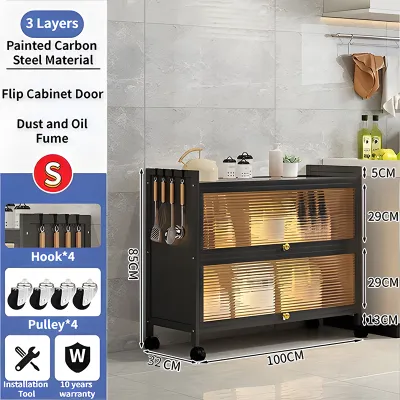
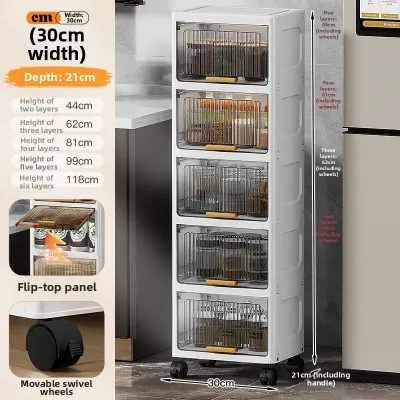
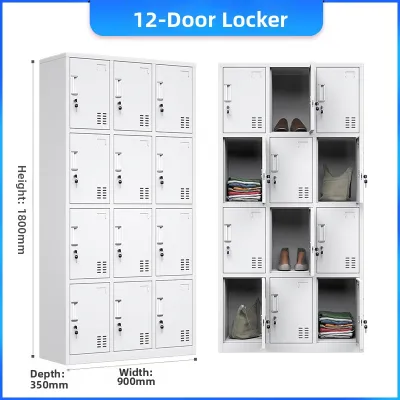
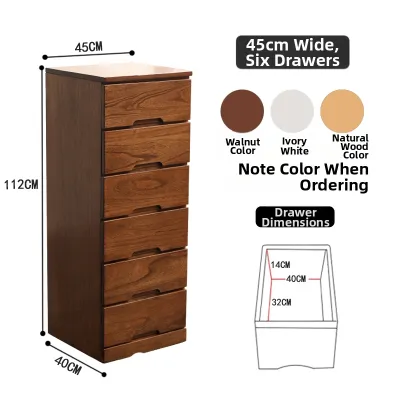
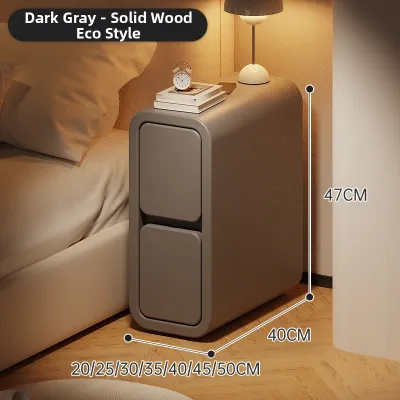
Prices are valid at publication and may change. Please refer to the product page for the latest price.
Finally, identify the locations of all wall outlets, light switches, and internet ports. If you plan to choose a storage cabinet with integrated LED display lighting or want to use the countertop as a station for small appliances like coffee makers, microwave ovens, or rice cookers, you will need direct access to power. Ensure the cabinet’s placement does not cover essential switches or force you to pinch electrical cords against the wall, which can pose a safety hazard.
Determine the Ideal Storage Cabinet Dimensions
Translating your room measurements into target cabinet dimensions requires a clear understanding of what you plan to store. If your primary goal is to organize standard dinnerware, glassware, and table linens, a shallower cabinet with a depth of 35 to 40 centimeters is often sufficient. However, if you need to store bulky kitchen appliances, large serving platters, or heavy ceramic soup tureens, you will need to look for a deeper unit, typically around 45 to 50 centimeters, to ensure these items fit comfortably behind closed doors.

The height of the cabinet plays a significant role in the visual balance of your dining room. A low sideboard or buffet cabinet, which usually stands around 75 to 90 centimeters tall, aligns well with the height of a standard dining table. This creates a continuous horizontal line that keeps the room feeling spacious and provides a convenient surface for serving food during family gatherings. Conversely, a tall display cabinet or hutch, standing 180 centimeters or higher, utilizes vertical space efficiently but can dominate a small room. Ensure the height of a tall cabinet is proportional to your ceiling height to avoid a top-heavy look.
To maintain a balanced layout, match the cabinet’s proportions to your dining room’s overall footprint. In a compact dining area, a narrow, shallow console or a corner cabinet works best to preserve floor space. For medium-sized dining rooms, a standard two-door or three-door buffet cabinet offers a practical balance of storage and presence. Large dining spaces can easily accommodate wide, deep credenzas or double-door display cabinets. Always verify the manufacturer’s finished dimensions rather than relying on generic size labels.
Evaluate Clearance, Traffic Flow, and Delivery Access
A storage cabinet is only practical if it allows for comfortable movement throughout the dining area. You must calculate the necessary walkway clearance between the cabinet and other furniture, particularly the dining table and chairs. When chairs are pulled out and guests are seated, there should still be enough space for someone to walk past without forcing the seated guest to move forward.
In addition to walkway clearance, you must account for the operational footprint of the cabinet itself. Measure the swing radius of hinged doors and the extension depth of pull-out drawers. If the cabinet is placed in a tight corridor or close to the dining table, opening a door or drawer could completely block the pathway or collide with a dining chair. For tight spaces, consider choosing a cabinet with sliding glass or wooden doors, or opt for open shelving units that do not require extra clearance to access.
Before placing an order, you must also verify delivery access to your home. A cabinet that fits perfectly in your dining room is of no use if it cannot get through the front door. Measure the width and height of all entryways, hallway corners, stairwells, and elevator doors. If you live in a multi-story building or a condominium, check the elevator cabin dimensions. For tight access routes, flat-pack furniture that can be assembled directly inside the dining room is often a safer and more practical choice than a fully assembled, solid-wood unit.
Match Internal Layout and Features to Your Storage Needs
The internal configuration of your storage cabinet should align with both your aesthetic preferences and practical needs. Decide whether you prefer open shelving, glass doors, or solid cabinet doors. Glass doors are excellent for displaying fine china and glassware while protecting them from dust, which is particularly useful in humid tropical environments where dust accumulates quickly. Solid doors, on the other hand, are ideal for hiding mismatched items, plastic containers, and general clutter, keeping your dining area looking neat and organized.
Adjustable shelving is a highly desirable feature for dining storage. Over time, your storage needs may change, and having the ability to adjust the height of internal shelves allows you to accommodate tall vases, stacked serving bowls, or seasonal decorations without wasting valuable vertical space. Check the product specifications to ensure the shelves can be moved easily and lock securely into place.
Finally, consider the weight capacity and structural stability of the cabinet. Heavy ceramic collections, stoneware, and small kitchen appliances require sturdy shelves that will not sag over time. Check the manufacturer’s guidelines for weight limits per shelf. For tall display cabinets, prioritize units that feature robust joints and stable bases. It is highly recommended to choose a cabinet that includes wall-anchoring hardware, allowing you to secure the unit to the wall to prevent accidental tip-overs.
Avoid Common Sizing and Placement Mistakes
One of the most frequent mistakes homeowners make is ignoring the depth of the cabinet. A cabinet that protrudes too far into the room can make the entire dining area feel cramped, disrupting the flow of the home and making it difficult to pull out dining chairs comfortably. Always visualize the depth of the cabinet by marking its footprint on the floor using painter’s tape before making a purchase.
Another common error is overlooking the swing space needed for doors and drawers in tight corners. Placing a cabinet too close to an adjacent wall or door frame can prevent the cabinet doors from opening fully, restricting your access to the items stored inside. Always leave a small buffer zone between the cabinet and adjacent walls or architectural features.
Lastly, avoid the temptation to assume that standard furniture sizes will fit your space without verification. Product dimensions can vary significantly between brands and styles. Always check the exact, finished dimensions provided by the manufacturer, including any protruding handles, decorative crown moldings, or extended legs, to ensure a perfect fit in your dining area.
Frequently Asked Questions (FAQ)
How much space should I leave between the dining table and the storage cabinet?
To ensure comfortable seating and movement, leave a minimum of 90 centimeters of clearance between the edge of the dining table and the storage cabinet. This distance allows guests to pull out their chairs and sit down without hitting the cabinet. If you want enough space for a person to walk comfortably behind a seated guest, aim for a clearance of 110 to 120 centimeters.
Can I place a storage cabinet in front of a window or air conditioning unit?
It is highly recommended to avoid placing a storage cabinet directly in front of a window or an air conditioning unit. Blocking a window restricts natural light and limits ventilation, while placing a cabinet in front of an air conditioner can disrupt airflow and expose the furniture to temperature fluctuations and moisture. Always maintain clear access to windows and climate control units to ensure proper ventilation, easy cleaning, and safety.

Community discussion
Share your experience or ask a question. Comments are reviewed before publication.