
Setting up a hybrid cabinet with a shoe rack requires a thoughtful balance between vertical hanging space and horizontal shelving. By combining sturdy hangers, breathable storage bags, and structured hanging organizers, you can transform a single wardrobe unit into a dual-purpose storage hub. This setup keeps your daily footwear separated from your clean garments while protecting both from dust, pests, and tropical humidity.
To achieve an organized and hygienic layout, you must plan the placement of each storage element based on weight, accessibility, and airflow. A poorly configured cabinet can lead to sagging rods, cluttered shelves, and unpleasant odor transfer between your shoes and clothing. Taking the time to assess your cabinet’s structure and select compatible accessories ensures your storage system remains functional and durable over time.
Assess Your Cabinet and Storage Needs
Before purchasing any organizers, use a steel tape measure to determine the exact internal width, depth, and height of your cabinet. Knowing these dimensions prevents the common mistake of buying hanging shelves that are too long or storage bags that prevent the cabinet doors from closing completely. Pay close attention to the depth of the cabinet; standard clothes hangers require at least 50 to 55 centimeters of depth to hang straight without brushing against the back wall or doors.
Products mentioned in this guide
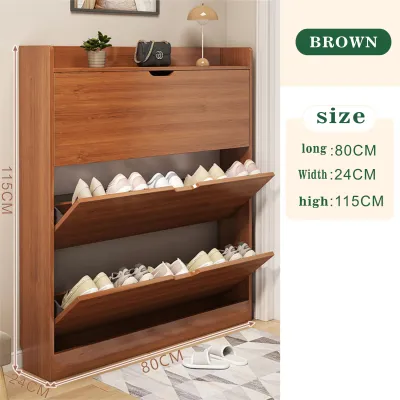
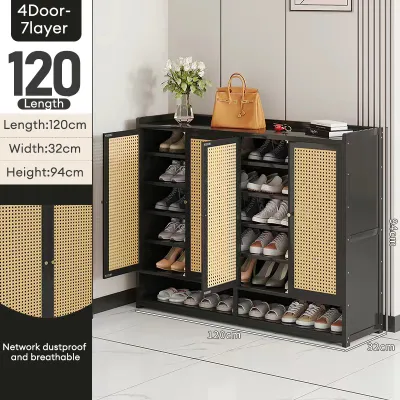
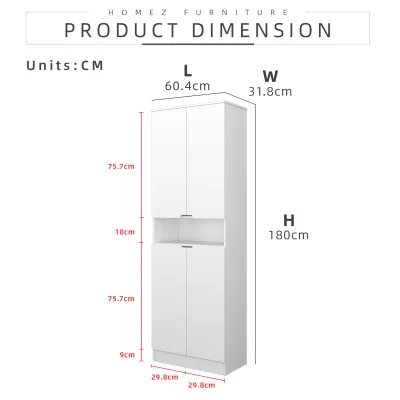

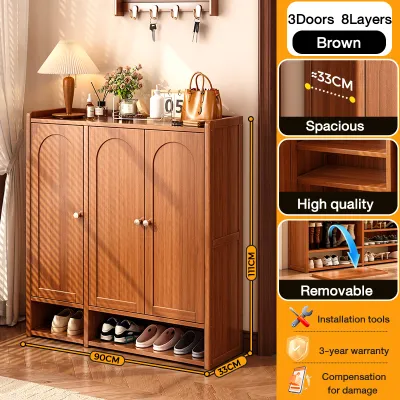
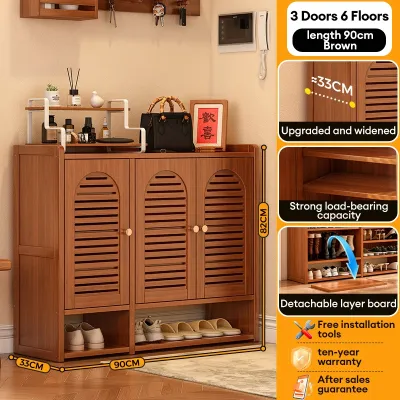

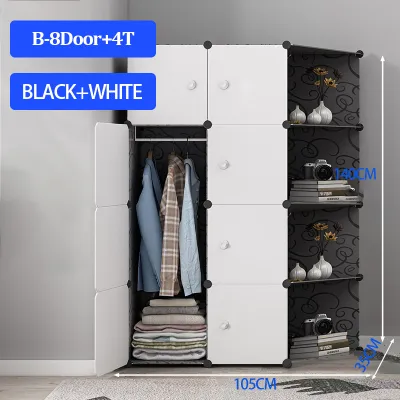
Prices are valid at publication and may change. Please refer to the product page for the latest price.
Next, examine the shoe rack portion of the cabinet to see if the shelves are fixed or adjustable. Adjustable shelves provide the flexibility needed to accommodate different types of footwear, from flat sandals and low-profile sneakers to high-cut boots. If the shelves are fixed, measure the vertical clearance of each tier so you can plan which shoes will fit where without bending or scuffing the material.
Finally, evaluate the hanging rod’s material and mounting style to estimate its safe weight capacity. A solid metal rod secured with heavy-duty end cups can support significantly more weight than a thin plastic or wooden dowel. Look for any signs of existing wear, such as bowing in the center of the rod or loose mounting screws in the cabinet side panels, which indicate that you need to limit the weight of your hanging items.
Choose the Right Hangers and Storage Bags
Selecting the right accessories is crucial for maintaining the structural integrity of your cabinet and protecting your belongings. When choosing hanging organizers, look for models with reinforced top panels and heavy-duty hook-and-loop straps or metal hooks that distribute weight evenly across the rod. Opt for organizers with compartment sizes that match the items you plan to store, such as small cubbies for folded t-shirts or wider shelves for bulky linens.

In tropical climates where humidity levels fluctuate, the material of your storage bags plays a vital role in preservation. Choose breathable, dust-proof storage bags made from non-woven fabric or canvas rather than completely sealed, heavy plastic. Breathable materials allow air to circulate, which helps prevent moisture buildup, musty odors, and mold growth on seasonal clothing or formal wear. For delicate garments, look for zippered garment bags with clear viewing windows so you can easily identify the contents without opening them.
Your choice of hangers should also match the weight and fabric of your garments to prevent damage. Use wide, contoured wooden or padded hangers for heavy jackets and structured coats to preserve their shape and prevent the fabric from stretching. For lightweight shirts, silk blouses, or dresses, slim velvet hangers are highly effective because their slip-resistant texture keeps garments in place while maximizing horizontal rod space.
Step-by-Step Installation and Configuration
Configuring your hybrid cabinet requires a systematic approach to ensure safety and stability. Begin by completely emptying the cabinet and wiping down all interior surfaces with a mild cleaning solution to remove dust and lingering odors. Once the cabinet is dry, you can begin assembling the internal components, starting from the bottom shoe rack and working your way up to the hanging rod.
Before loading any items into the cabinet, perform a quick safety check on all load-bearing components. Ensure that the hanging rod is firmly seated in its brackets and that any adjustable shelf pins are pushed securely into their holes. If your cabinet is tall and narrow, verify that it is properly anchored to the wall to prevent the unit from tipping forward once it is fully loaded with clothes and shoes.
Setting Up the Shoe Rack Zone
To optimize the bottom shoe rack area, arrange your footwear by height and frequency of use. Place your daily shoes, such as work flats or casual sneakers, on the middle shelves where they are easiest to reach without bending down. Keep seasonal footwear, formal shoes, or boots on the lowest or highest shelves of the rack to keep the most accessible zones clear for daily routines.
Protecting the cabinet shelves from dirt, mud, and moisture is essential for long-term maintenance. Place removable, washable plastic liner mats on each shoe shelf to catch debris and drips from outdoor footwear. These liners prevent stains on the cabinet’s wood or laminate finish and can be easily pulled out, wiped down, and replaced during your regular cleaning routine.
Because shoes naturally carry moisture and odors, establishing proper ventilation in this zone is critical. If your cabinet doors are solid, consider adding activated charcoal bags or silica gel packets to the corners of the shoe shelves to absorb ambient moisture and neutralize odors. Ensure that shoes are completely dry before placing them on the rack to prevent mold from developing in the enclosed space.
Installing Hanging Organizers and Bags
When hanging items in the upper section of the cabinet, focus on distributing the weight evenly across the entire length of the rod. Avoid clustering all heavy garments, such as winter coats or heavy denim, in the center of the rod, as this is the point most susceptible to bowing. Instead, place heavier items near the outer ends of the rod where the support brackets provide the greatest structural strength.
Secure your hanging fabric organizers by wrapping their top straps tightly around the rod, ensuring they do not slide or tilt. If your organizer uses metal hooks, make sure the hooks fit the diameter of your hanging rod securely. Position the hanging organizer close to one side of the cabinet to leave a continuous, uninterrupted space on the rest of the rod for standard hangers.
To maintain the stability of hanging fabric shelves, place heavier folded items, like jeans or thick sweaters, in the lowest compartments. Storing heavier items at the bottom lowers the organizer’s center of gravity, which prevents it from swaying or twisting when you retrieve items. Keep lighter accessories, such as scarves, hats, or undergarments, in the upper compartments of the organizer.
Maintenance and Dust Protection Strategies
Keeping your hybrid cabinet clean requires a consistent maintenance routine to prevent dust and shoe debris from migrating to your clean clothes. Establish a monthly schedule to remove all shoes from the rack, vacuum the bottom corners of the cabinet, and wipe down the shelves with a damp microfiber cloth. This routine prevents outdoor dust from settling on the fabric of your hanging organizers and storage bags.
In high-humidity environments, monitor the interior of your cabinet regularly for any signs of moisture, dampness, or musty smells. Leave the cabinet doors open for a few hours during dry, sunny days to encourage natural airflow and clear out trapped humidity. You can also place hanging dehumidifier bags or moisture-absorbing canisters on the shelves, replacing them promptly once they fill with water.
When cleaning the fabric storage bags and hanging organizers, always follow the manufacturer’s care labels to avoid damaging the materials. Most non-woven fabric organizers cannot be machine washed, as water can degrade the internal cardboard or plastic reinforcement panels. Instead, spot-clean any stains with a damp cloth and mild soap, and allow them to air dry completely before placing them back inside the cabinet.
Troubleshooting Common Organization Issues
Over time, you may encounter structural or organizational challenges as your storage needs change. If you notice the hanging rod starting to sag or the mounting brackets pulling away from the cabinet walls, immediately reduce the load. Redistribute the heaviest garments to other storage areas, or install an adjustable center support bracket to reinforce the middle of the rod.
If you find that shoe odors are migrating to the clothing section despite using odor absorbers, evaluate the physical separation between the two zones. If your cabinet has an open-back design or gaps between the shoe rack and the hanging area, consider installing a solid shelf divider to act as a barrier. Alternatively, keep your most sensitive garments sealed inside zippered, breathable garment bags to provide an extra layer of protection against odor transfer.
When the cabinet consistently feels overcrowded and difficult to navigate, it is time to reassess your inventory. Overloading shelves and hanging rods restricts airflow, which increases the risk of mold growth and makes it harder to find what you need. Perform a seasonal purge to donate or store items you no longer wear, ensuring that there is always a small gap between hangers to allow air to circulate freely.
Frequently Asked Questions (FAQ)
Can I use vacuum storage bags inside a cabinet with a shoe rack?
Yes, you can use vacuum storage bags inside a hybrid cabinet, but you must select the right fabrics and ensure proper placement. Vacuum compression is highly effective for synthetic fibers, cotton linens, and seasonal items like heavy blankets, but it can permanently crease or damage delicate silks, natural wool, and structured garments. Always check the fabric care labels before compressing any clothing.
When placing compressed bags inside the cabinet, ensure they fit flat on the shelves or the bottom floor clearance without bending or pressing against sharp cabinet hardware. Because compressed plastic bags can trap residual moisture if garments are not completely dry before sealing, ensure all items are thoroughly aired out. Additionally, plan to open the bags every six months to let the fabrics breathe and regain their natural loft before re-compressing them.
How do I prevent shoe odors from transferring to hanging clothes?
Preventing odor transfer requires a combination of physical barriers, moisture control, and strict storage habits. First, verify that your cabinet has a solid horizontal shelf separating the shoe rack zone from the hanging clothing section. If there are open gaps or if the cabinet lacks a solid divider, use zippered garment bags for your clothes to create an individual physical barrier against airborne odors.
Next, place natural odor-neutralizing products, such as activated bamboo charcoal bags or baking soda canisters, directly on the shoe shelves to absorb smells at the source. Avoid using heavy artificial perfumes or scented sprays, which can mix with shoe odors and create an unpleasant scent that clings to fabrics. Finally, make it a rule to never store damp, sweaty, or dirty shoes inside the cabinet; let your footwear air dry completely in a well-ventilated entryway before placing them on the rack.

Community discussion
Share your experience or ask a question. Comments are reviewed before publication.