
Organizing a corner hanging shelf for maximum efficiency is about transforming an underutilized corner into a highly functional hub. By placing high-frequency items at eye level, distributing weight to protect wall integrity, and using modular containers, you can create a streamlined workspace. This approach keeps your desk clear and ensures your study essentials are always within arm’s reach.
Assess Your Corner Space and Shelf Load Limits
Before placing a single book, you must understand the physical boundaries of your corner. Measure the width, depth, and vertical clearance of the corner space. Ensure that the shelf’s position does not obstruct your chair’s movement or pose a head-bump hazard when you stand up.
Next, consult the manufacturer’s manual or product label to verify the maximum weight capacity. Every corner hanging shelf has a strict load limit that must never be exceeded. Overloading can lead to sudden structural failure, damaging your study materials and the wall itself.
Products mentioned in this guide
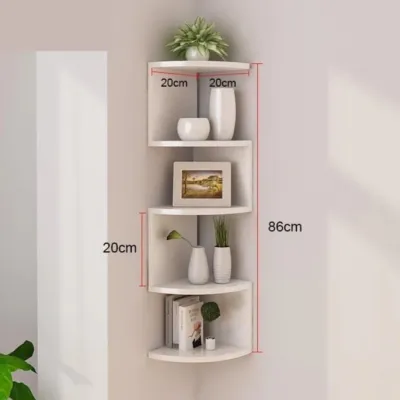

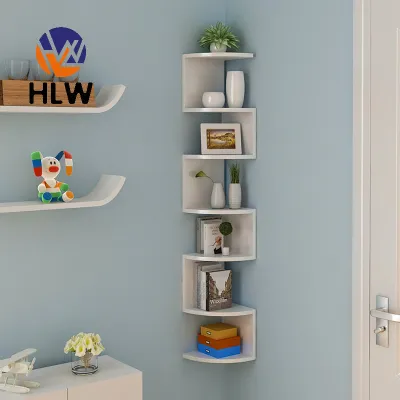
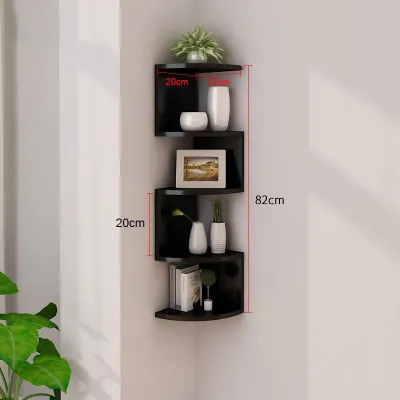
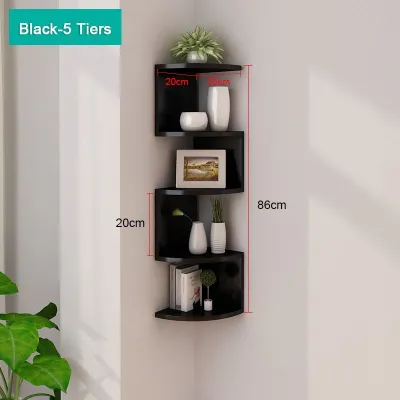
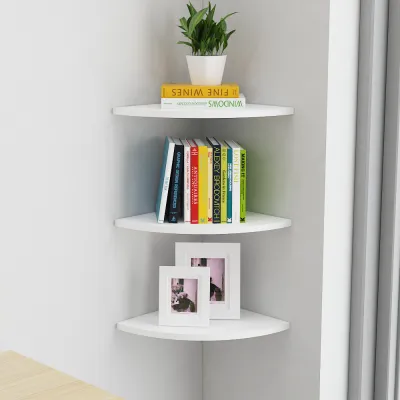
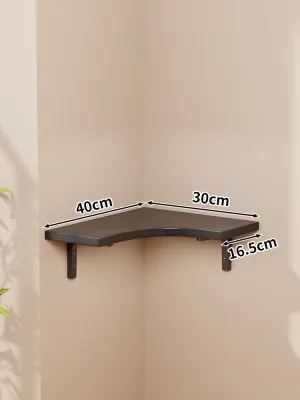
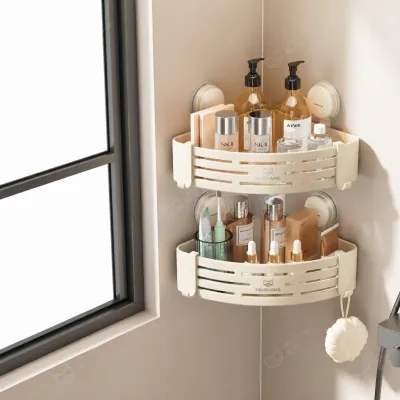
Prices are valid at publication and may change. Please refer to the product page for the latest price.
The type of wall in your study room dictates the mounting hardware you must use. In many homes, walls are made of solid concrete or plastered hollow blocks, which require masonry plugs and sturdy screws. If you are mounting on drywall or gypsum board, you must locate the wooden studs or use specialized heavy-duty toggle bolts.
Never assume that the hardware included in the package is universally suitable for your wall type. Inspect the screws and anchors carefully, and if they do not match your wall construction, purchase the correct fasteners from a local hardware store. Taking these precautions ensures a stable foundation for your organization system.
Declutter and Categorize Your Study Essentials
An efficient shelf starts with a thorough sorting process. Gather all your study materials, from thick textbooks to small paperclips, and lay them out on a flat surface. Group them into three distinct categories based on how often you use them: high-frequency, medium-frequency, and low-frequency.

High-frequency items include your current textbooks, daily planner, and frequently used pens. Medium-frequency items consist of reference manuals, notebooks, and secondary study guides. Low-frequency items are archived files, past semester notes, or decorative pieces that personalize your workspace.
Be ruthless during this sorting phase and remove anything you no longer need. Outdated documents, dried-up pens, and duplicate reference materials only add unnecessary weight and visual clutter. Keeping your inventory lean protects your shelf from structural strain and makes finding essential items much faster.
To handle small, loose stationery, invest in compact storage boxes or small drawer units. Grouping items like sticky notes, paperclips, and USB drives into dedicated containers prevents them from scattering across the shelf. This simple step keeps the shelf looking tidy and ensures that small items do not take up valuable open space.
Step-by-Step Guide to Arranging Your Shelf Tiers
Arranging your corner hanging shelf requires a systematic, vertical zoning strategy. By placing items based on their weight and how often you need them, you balance daily convenience with structural safety. This method ensures that the shelf remains stable while keeping your most important tools close at hand.
The golden rule of shelf organization is to place the heaviest items closest to the wall or the primary support brackets. This positioning minimizes leverage, reducing the pulling force exerted on the wall anchors. Keeping heavy items near the corner joint provides the greatest structural support.
Top Tier: Light Items and Visual Anchors
The top tier of your corner hanging shelf is ideal for lightweight items and visual accents. Because this shelf is harder to reach, it should not hold items you need to grab multiple times a day. Instead, use it to set the tone of your study space with minimal, inspiring objects.
Consider placing small, low-maintenance indoor plants, such as a small pothos or succulent, which thrive in tropical indoor environments. You can also use this space for a lightweight desk calendar, a motivational quote frame, or a small pen holder containing spare highlighters. These items add personality without overloading the structure.
Avoid placing fragile glass items, heavy ceramic pots, or bulky binders on this top level. If an item is heavy or easily breakable, a fall from this height could cause serious injury or damage your desk setup below. Keep the top tier airy, clean, and visually balanced to prevent the corner from feeling cramped.
Middle Tier: The Active Study Zone
The middle tier is the most valuable real estate on your corner hanging shelf. Positioned at eye level and within easy arm’s reach, this zone should be reserved exclusively for your active study materials. This is where you store the books, notebooks, and tools you use every single day.
Keep your current textbooks, active notebooks, and daily reference guides here. To keep these books upright and organized, use sturdy bookends or small, weighted organizers. Allowing books to lean or slide can create uneven weight distribution, putting unnecessary stress on one side of the shelf.
Regularly monitor the total weight of the items on this active tier. Because it is so easy to stack books here, it can quickly become overloaded. Ensure that the combined weight of your daily study materials remains well below the manufacturer’s specified limit for a single shelf board.
Bottom Tier: Heavier Storage and Stability
The bottom tier of your hanging shelf should focus on stability and heavier storage. This tier is physically closer to the desk surface, making it a safe spot for slightly heavier reference materials. However, you must still manage the weight carefully to avoid overloading the wall brackets.
Place thicker reference books, bound manuals, or storage boxes filled with archived documents on this level. Always push these heavier items deep into the corner, as close to the wall support as possible. This distribution keeps the center of gravity close to the mounting points, maximizing safety.
If your corner hanging shelf has a low weight rating, do not use the bottom tier for heavy books at all. Instead, relocate those heavy volumes to a floor-standing bookcase or an under-desk cabinet. Use the bottom tier of your hanging shelf for lightweight storage bins, perhaps costing under ₱150 from a local home store, to hold extra paper or cables.
Finally, verify that the items on the bottom tier do not obstruct your physical workspace. Ensure there is enough clearance so that your chair’s armrests do not bump into the shelf when you turn. Keeping this area clear prevents accidental collisions that could loosen the shelf over time.
Safety Checks and Maintenance for Hanging Shelves
A corner hanging shelf requires regular maintenance and safety checks to ensure it remains secure over time. In tropical climates with high humidity, wall materials and wooden shelf boards can expand, contract, or weaken. Establishing a routine inspection schedule helps you catch potential issues before they lead to a collapse.
Every few months, perform a visual inspection of the shelf boards and the surrounding wall. Look closely for any signs of sagging in the middle of the shelves, warping of the wood, or fine cracks in the wall plaster around the brackets. These are early warning signs that the shelf is carrying too much weight.
Next, physically check the mounting hardware. Use a screwdriver or wrench to ensure that the screws and wall anchors remain tight and flush against the wall. Over time, the vibrations from daily use and the weight of the items can cause screws to back out slightly, compromising stability.
Define clear stop conditions for using your corner hanging shelf. If you notice any visible bending of the shelf boards, see wall anchors pulling away from the drywall or concrete, or hear creaking sounds when placing items, take action immediately. Empty the shelf completely and consult a qualified professional to reinstall it, or transition to a safer floor-standing shelving unit.
Frequently Asked Questions (FAQ)
Can I install a corner hanging shelf on drywall for heavy books?
Drywall has a much lower load-bearing capacity than concrete or solid wood. If you plan to store books on a shelf mounted to drywall, you must secure the mounting brackets directly into the wooden wall studs behind the drywall. If studs are unavailable, you must use heavy-duty hollow wall anchors or toggle bolts, and strictly adhere to the lower weight limits specified in your product manual. For safety, avoid storing large volumes of heavy books on drywall-mounted shelves and instead use them for lighter study essentials.
How do I prevent small stationery items from falling off the shelf?
To prevent small items like paperclips, pens, and sticky notes from falling, use dedicated storage containers. Small plastic trays, woven baskets, or lidded boxes costing around ₱100 to ₱250 are excellent for keeping loose items contained. Always place these containers toward the back or corner of the shelf rather than near the open edges. Additionally, choosing organizers with non-slip rubber bases prevents them from sliding when you reach for other items on the shelf.

Community discussion
Share your experience or ask a question. Comments are reviewed before publication.