
Storing your footwear collection inside a wardrobe or a dedicated shoes cabinet requires a thoughtful balance of spatial planning, protection from environmental factors, and smart organization tools. In tropical climates where high humidity and dust are constant challenges, simply piling shoes on top of one another leads to premature wear, mold growth, and cluttered spaces. By utilizing breathable storage bags and adjustable dividers, you can maximize your existing cabinet space, protect delicate materials, and keep your collection easily accessible.
Implementing a structured system inside your wardrobe not only preserves the shape and condition of your shoes but also saves valuable time during your daily routine. Whether you are managing a compact closet or a spacious built-in wardrobe, integrating the right organizers allows you to transform chaotic piles into a clean, visually appealing display.
Assess Your Wardrobe Space and Shoe Collection
Before purchasing any organizers, take a tape measure and record the exact interior dimensions of your wardrobe or shoes cabinet. Measure the height, width, and depth of each shelf, as well as the clearance when the cabinet doors are fully closed. Many modern wardrobes have sliding doors or hinges that protrude slightly inward, which can snag on wide shoe boxes or dividers if not accounted for. Knowing these physical limits prevents the frustration of buying storage solutions that are too deep or too tall for your shelves.
Products mentioned in this guide
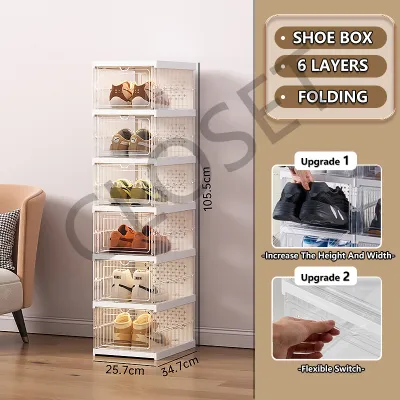
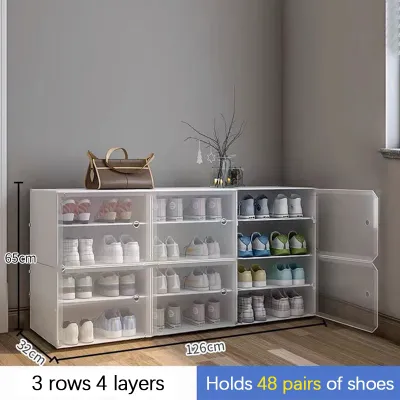
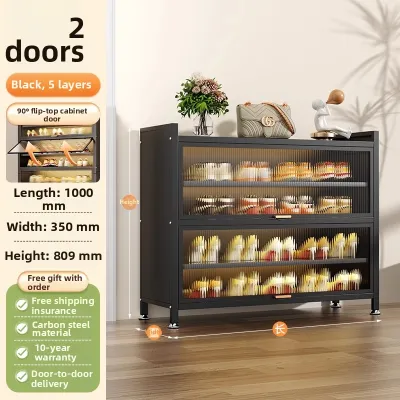
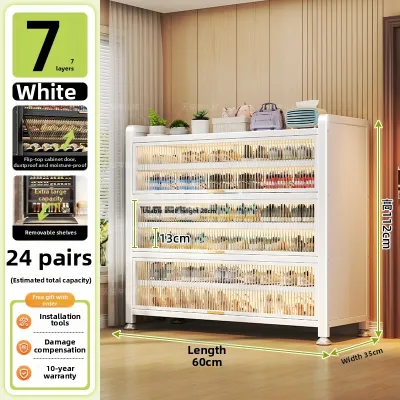
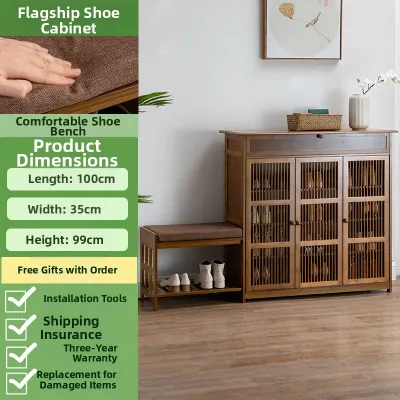
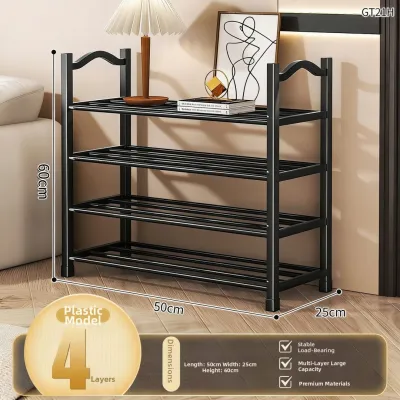
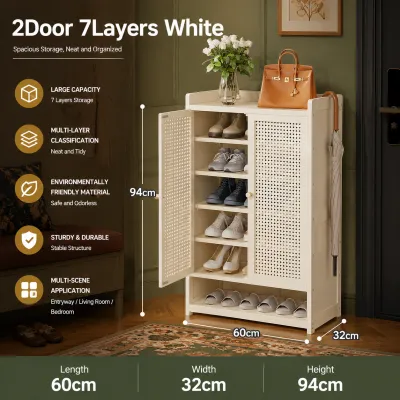
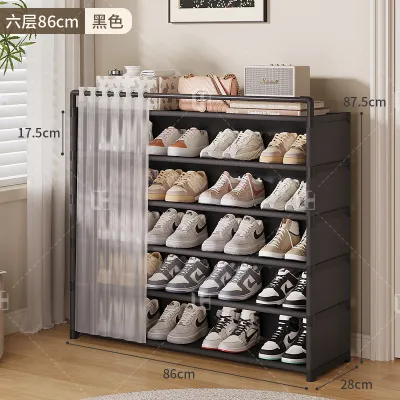
Prices are valid at publication and may change. Please refer to the product page for the latest price.
Next, empty your entire shoe collection and sort them systematically. Group your footwear by frequency of use, style, and height. High heels, ankle boots, flat sandals, and bulky sneakers all require different vertical clearances. Categorizing your shoes helps you see exactly how many pairs need daily accessibility and how many can be relegated to long-term storage.
Take this opportunity to identify underutilized or awkward spaces within your wardrobe. Deep bottom corners, narrow side gaps, and high top shelves are often left empty because they are hard to reach. These zones are ideal candidates for specialized storage bags or stackable boxes containing shoes you only wear on special occasions, keeping them out of the way of your daily-use items.
Select Storage Bags and Dividers for Your Shoes
When choosing storage bags, you will generally decide between clear plastic options and opaque fabric designs. Clear bags or boxes with transparent viewing windows offer excellent visibility, allowing you to identify your shoes instantly without opening multiple containers. However, if you prefer a highly uniform and minimalist aesthetic inside your shoes cabinet, opaque fabric bags in neutral tones are excellent, provided you use labels or color-coded tags to identify the contents.

Adjustable dividers and shoe slots are invaluable for maximizing open shelf space. Individual shoe stackers, which allow you to place one shoe directly above its partner in a double-decker fashion, can instantly double your shelf capacity. Look for dividers with adjustable heights or flexible partitions so you can customize the slots for flat sandals, chunky sneakers, or high heels without bending or crushing the shoe uppers.
In humid environments like the Philippines, material breathability is a critical factor that directly impacts the lifespan of your footwear. Non-woven fabrics, canvas, and cotton are highly recommended because they allow air to circulate freely around the shoes, preventing the trapping of moisture that leads to mold and mildew. While heavy-duty plastic boxes offer excellent dust protection, they can trap ambient humidity if the shoes are not completely dry before storage.
Always cross-reference the dimensions of your chosen organizers with your initial wardrobe measurements. Ensure that stackable boxes or divider units leave at least a few centimeters of clearance at the top and sides to facilitate easy retrieval and maintain adequate airflow within the enclosed cabinet. Investing a modest budget of ₱500 to ₱2,000 in quality, breathable organizers can save you from costly footwear replacements later on.
Step-by-Step Guide to Arranging Shoes in the Cabinet
Clean and dry your shoes thoroughly before placing them into any storage bags or onto cabinet shelves. Wipe down the outsoles to remove dirt, and use a damp cloth to clean the uppers. If you have been caught in a sudden tropical downpour, allow the shoes to air-dry completely in a well-ventilated room for at least 24 to 48 hours before storing them. Placing damp shoes in an enclosed shoes cabinet is a recipe for rapid mold colonization and persistent odors.
Establish your accessibility zones based on daily habits. Place your most frequently worn shoes, such as daily work shoes, school shoes, or casual sandals, at eye level or on the most accessible lower shelves. This ensures you can grab them quickly during busy mornings without disrupting the rest of your organized system.
Pack and label your occasional footwear to keep them protected over long periods. Place formal heels, leather dress shoes, and seasonal boots into breathable storage bags. If your bags do not have clear windows, write a brief description of the shoes on a tag or attach a small photo of the pair to the outside of the bag. Store these protected pairs on the highest shelves of your wardrobe or in the deep, hard-to-reach bottom corners.
Implement dividers and stackers to keep individual pairs separated. Position the dividers to prevent delicate materials like patent leather, suede, or soft canvas from rubbing against each other, which can cause unsightly scuffs or color transfer. Utilizing vertical shoe slots also keeps your shelves looking neat and structured.
Maintain and Protect Your Stored Shoes
Maintaining an organized shoes cabinet requires regular, proactive care. Once a month, open your wardrobe doors fully and inspect the interior for any signs of dust accumulation, musty odors, or pest activity. Silverfish, spiders, and ants often seek out dark, undisturbed corners of closets, so keeping the space clean and occasionally wiping down the shelves with a mild disinfectant is essential.
Make it a habit to rotate your stored shoes and let them breathe. Shoes that remain sealed in bags or tucked away in dark corners for months at a time are highly susceptible to material degradation, such as sole separation or crumbling synthetic leather. Every few months, take these pairs out of their bags, inspect them, and let them air out in a breezy room away from direct sunlight.
As your shoe collection grows or changes over time, be prepared to adjust your storage configuration. If you acquire more high-top sneakers or boots, adjust your shelf dividers to accommodate the extra height rather than forcing the shoes into tight spaces where they might lose their shape.
To combat high humidity inside a closed wardrobe, place moisture-absorbing sachets, silica gel packets, or hanging dehumidifier bags in the corners of the cabinet. Ensure these moisture absorbers do not make direct contact with your shoes, as the active chemicals can dry out and damage natural leather or fabric fibers.
Frequently Asked Questions (FAQ)
Can I store leather shoes in plastic storage bags?
Storing leather shoes in airtight plastic bags is not recommended. Leather is a natural, porous material that needs to breathe to maintain its structural integrity. Plastic bags trap ambient moisture inside, creating a humid microclimate that encourages the growth of mold and mildew, which can permanently stain or ruin the leather. Instead, opt for breathable cotton, canvas, or non-woven fabric shoe bags, or store them in their original cardboard shoe boxes with a few silica gel packets to absorb excess moisture.
How do I prevent odors in a closed wardrobe shoe cabinet?
The most effective way to prevent odors is to ensure that every pair of shoes is completely clean and dry before it enters the cabinet. Additionally, you can place natural deodorizers, such as activated bamboo charcoal bags, cedar blocks, or small sachets filled with baking soda, on the shelves. These natural solutions absorb both moisture and unpleasant odors without introducing harsh chemical scents into your wardrobe.

Community discussion
Share your experience or ask a question. Comments are reviewed before publication.