
Organizing a wardrobe efficiently requires a clear understanding of its physical structure and how it aligns with your daily routine. In many Filipino households, a zooey dual cabinet is a highly popular choice for bedroom storage due to its durability, resistance to tropical moisture, and space-saving footprint. However, because these wardrobes feature two distinct compartments, maximizing their potential requires a strategic approach to spatial planning. By dividing your wardrobe into dedicated functional zones, decluttering systematically, and utilizing smart, lightweight accessories, you can transform a cramped cabinet into an organized, stress-free storage system that protects your clothing investment.
To get the most out of your dual-cabinet system, you must treat the left and right sides as complementary but distinct zones. One side is typically optimized for hanging longer garments, while the other features tiered shelving for folded items. Balancing these two zones prevents the common issue of overstuffing one compartment while leaving the other underutilized. With a few deliberate adjustments, you can create a streamlined setup that keeps your daily outfits easily accessible and perfectly preserved.
Assess Your Zooey Dual Cabinet Layout and Storage Needs
Before purchasing any organizers or rearranging your clothes, you must evaluate the actual physical space inside your zooey dual cabinet. Start by taking a tape measure and recording the interior height, width, and depth of both the left and right compartments. Standard clothing hangers require a minimum depth of 45 centimeters to hang completely straight. If your cabinet’s interior depth is shallower, hangers will naturally sit at an angle, which reduces the total number of items you can hang on the rod and may cause clothes to brush against the doors.
Products mentioned in this guide
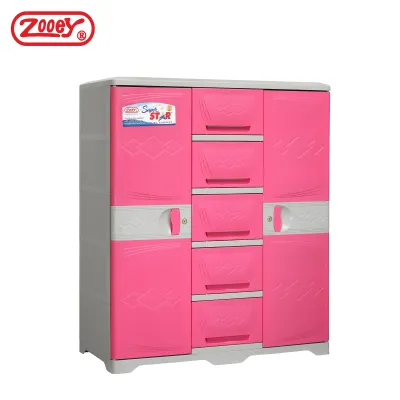
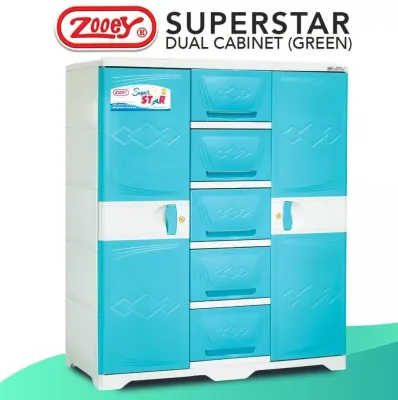

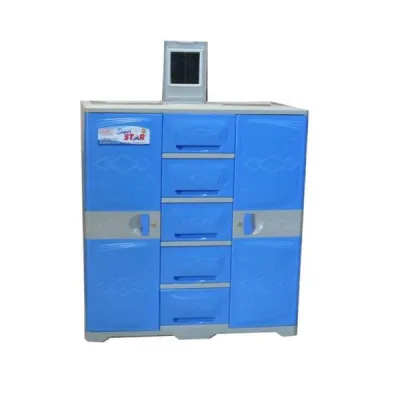
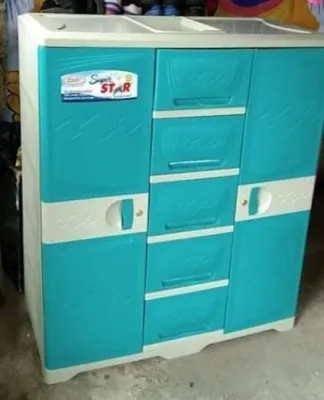
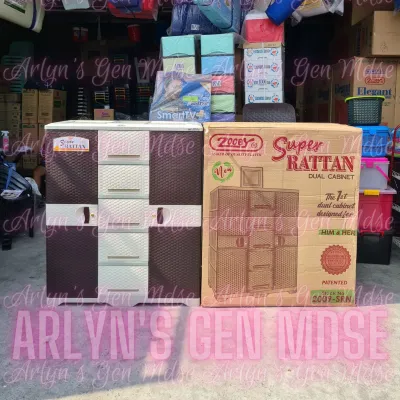
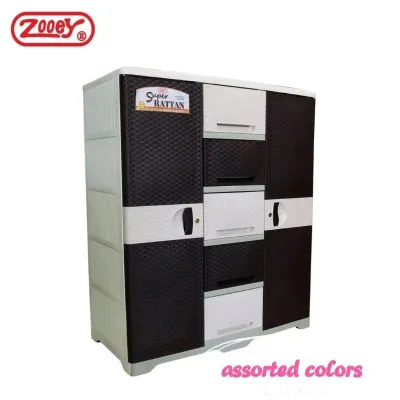
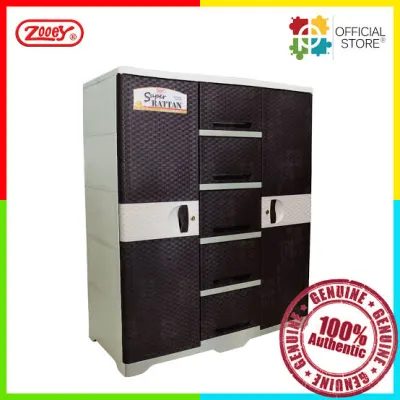
Prices are valid at publication and may change. Please refer to the product page for the latest price.
Next, identify which parts of the wardrobe are fixed and which are adjustable. Note the position of the built-in hanging rods, the height of the shelves, and the dimensions of any integrated drawers. Understanding these physical boundaries prevents you from buying storage bins or drawer dividers that do not fit. It also helps you map out where different types of clothing should go based on their length and how frequently you wear them.
Evaluating your personal storage needs is equally critical. A professional who wears structured office uniforms, barongs, or long dresses will require significantly more vertical hanging space than someone whose daily wardrobe consists primarily of casual t-shirts, shorts, and activewear. Take inventory of your clothing types to decide if you need to dedicate the majority of your cabinet to hanging space or if you should prioritize shelving and drawer storage.
Finally, always verify the weight capacity of your cabinet’s internal components. Resin or plastic dual cabinets are highly resilient against termites and moisture, but they are still subject to physical load limits. Check the manufacturer’s manual to find the maximum weight capacity for both the hanging rods and individual shelves—typically ranging from 10 to 15 kilograms. Overloading a plastic shelf can cause it to bow or sag over time, which compromises the structural integrity of the entire cabinet. If you plan to store heavy items like denim jeans or thick bedding, plan to place them on the lowest shelves or the bottom panel of the cabinet to keep the center of gravity low.
Declutter and Categorize Your Wardrobe Items
A successful organization project always begins with a thorough decluttering session. Start by completely emptying both sides of your dual cabinet, placing all items onto a clean bed or a large mat. Seeing the empty interior of your wardrobe not only gives you a clean slate to work with but also allows you to wipe down the inside panels with a damp microfiber cloth to remove dust and check for any signs of moisture buildup.

With all your clothes laid out, sort them into three distinct piles: keep, donate, and discard. Be honest about what you actually wear; if an item has not been worn in the past six months, it is a prime candidate for donation. In the tropical climate of the Philippines, storing unused clothes for years can lead to fabric degradation, dry rot in elastic waistbands, and yellow storage stains caused by trapped humidity and residual sweat. Discard any items that are permanently stained, stretched out, or damaged beyond repair.
Once you have finalized your “keep” pile, group the remaining items by category and frequency of use. Create separate piles for workwear, casual outfits, pambahay (home clothes), activewear, and undergarments. Grouping items this way makes it much easier to assign them to specific zones within your dual cabinet, ensuring that the clothes you reach for every single morning are placed in the most accessible spots.
Next, separate your seasonal or low-frequency items from your daily wear. While the Philippines does not experience winter, there is a distinct shift between the dry season and the rainy season. Heavy jackets, thick hoodies, umbrellas, and travel gear should be separated from your lightweight summer clothing. These seasonal items do not need to occupy prime real estate in your wardrobe and can be relegated to the highest shelves or packed into vacuum-sealed bags.
Before deciding where each kept item will live, check the garment care labels. Delicate fabrics, structured jackets, and linen shirts must be hung on hangers to preserve their shape and prevent deep creases. Conversely, heavy cotton t-shirts, knitwear, and denim jeans are actually better off folded. Hanging stretchy or heavy fabrics can cause them to warp and lose their shape over time, so keeping them on shelves is both safer for the fabric and more space-efficient.
Optimize Hanging Rods and Shelving Zones
To maximize the efficiency of your hanging compartment, start by replacing any mismatched, bulky plastic or wire hangers with uniform, slim, non-slip hangers. Velvet-coated or thin rubberized hangers are excellent for saving horizontal space along the hanging rod, allowing you to fit up to 30% more clothing in the same area. They also prevent slippery fabrics like silk, satin, and polyester from sliding off the hanger and pooling on the cabinet floor.
When hanging your clothes, group them by length and category. Hang your longest items, such as dresses, trousers, and long skirts, on one side of the rod, and gradually transition to shorter items like shirts and blouses on the other. This creates a clean, visual slope that makes finding outfits faster. More importantly, it frees up valuable floor space directly beneath the shorter garments, creating a perfect niche where you can place small storage boxes or shoe organizers.
For the shelving compartment, avoid the temptation to stack folded clothes in tall, single columns. High stacks of t-shirts or shorts are inherently unstable; they inevitably topple over when you try to pull an item from the middle or bottom of the pile. Instead, adopt the file-folding method, where clothes are folded into compact, self-standing rectangles and placed vertically in drawers or bins. This method allows you to see every single shirt at a glance, eliminating the need to rummage through piles.
To keep these file-folded items neat and upright on open shelves, incorporate lightweight organizing accessories. Clear acrylic bins, fabric-covered storage boxes, or plastic basket organizers are perfect for keeping different clothing categories separated. In the Philippines, high-quality plastic baskets ranging from ₱50 to ₱200 are widely available at local department stores and online marketplaces. These are highly recommended because, unlike fabric bins, plastic does not absorb moisture from the air, is completely pest-proof, and can be easily wiped clean during your regular household chores.
Finally, allocate the highest shelves of your dual cabinet for lightweight, low-frequency items. This area is ideal for storing spare bedsheets, pillowcases, beach towels, or out-of-season accessories. Keep the total weight on these top shelves minimal to ensure the cabinet remains stable and does not become top-heavy, which is a crucial safety consideration for freestanding wardrobes.
Maximize Drawers, Doors, and Unused Space
If your dual cabinet includes built-in drawers, treat them as high-value real estate for small, easily misplaced items. Instead of tossing socks, underwear, belts, and handkerchiefs loosely into a drawer, use adjustable drawer organizers or honeycomb dividers. These dividers create individual compartments for each item, ensuring that your daily essentials remain perfectly organized and easy to grab during busy mornings.
Do not overlook the inside of your cabinet doors, as they offer excellent vertical storage potential. You can install lightweight over-the-door hooks, adhesive plastic pegs, or hanging pocket organizers to hold accessories like scarves, belts, jewelry, or small bags. However, because resin and plastic cabinet doors are lightweight, you must exercise caution. Overloading the doors can strain the hinges, causing the doors to sag, warp, or fail to close properly. Limit door-mounted storage to ultra-light items and always ensure the door can swing shut smoothly without any resistance.
Dead space at the bottom of the hanging compartment is another highly underutilized area. The floor space beneath your shorter hanging clothes is the perfect spot to stack clear plastic shoe boxes or low-profile storage bins. Using clear containers allows you to see the contents without having to open every box, protecting your footwear and accessories from dust while keeping them neatly tucked away.
If you still need extra storage space, look to the very top exterior panel of your wardrobe. This flat surface can hold vacuum-sealed storage bags filled with bulky, lightweight items like guest pillows, spare comforters, or travel gear. Before stacking items on top of the cabinet, consult the manufacturer’s guidelines to verify the top exterior load limit. Avoid placing heavy wooden boxes or metal containers on top, as excessive weight can bow the top panel and interfere with the alignment of the cabinet doors below.
Maintain Your Organized Wardrobe Long-Term
Creating an organized wardrobe system is only half the battle; keeping it organized requires consistent, low-effort habits. One of the most effective ways to prevent your dual cabinet from becoming overcrowded again is to implement a strict “one in, one out” rule. Whenever you purchase a new piece of clothing, commit to donating, selling, or discarding an older item. This simple practice keeps your wardrobe inventory stable and prevents clutter from slowly accumulating over time.
To maintain the system without feeling overwhelmed, schedule a quick 10-minute weekly tidy-up. Every weekend, take a moment to scan both compartments of your cabinet. Re-fold any items that have come loose, return misplaced garments to their designated bins, and ensure that hangers are spaced evenly along the rod. This minor weekly investment prevents minor disorganization from spiraling into a major project that requires another full day of deep cleaning.
Your storage needs will naturally evolve over time, so your wardrobe system should remain flexible. As seasons change, or as your professional and personal style shifts, do not hesitate to adjust your cabinet’s layout. If your dual cabinet features adjustable shelving, take the time to reposition the shelves to accommodate taller storage bins, winter wear, or new organization accessories as your collection grows.
Finally, living in a tropical climate like the Philippines means you must actively manage moisture and pests to protect your clothing. High humidity levels can lead to mold, mildew, and musty odors inside closed cabinets, especially during the rainy season. Check the corners of your cabinet regularly for any signs of dampness. Place disposable dehumidifier tubs or silica gel packets on your shelves and inside drawers to absorb excess moisture from the air. Remember to check these absorbers monthly and replace them promptly once they fill with water to ensure your clothes stay fresh, dry, and protected year-round.
Frequently Asked Questions (FAQ)
How do I prevent clothes from getting musty in a dual cabinet?
Musty odors are caused by trapped moisture, which allows mold and mildew to thrive in dark, enclosed spaces. To prevent this, always ensure that your clothes are 100% dry before putting them away, as even slightly damp garments can ruin an entire cabinet compartment. Place active moisture-absorbing products, such as calcium chloride dehumidifier cups or silica gel packets, on your shelves and replace them as soon as they fill with water. Additionally, avoid pushing your wardrobe completely flush against the bedroom wall; leaving a gap of at least two to three inches promotes proper airflow around the exterior of the cabinet and prevents condensation from building up on the back panel.
Can I add extra shelves to my dual cabinet wardrobe?
To add extra shelves, first inspect the interior side panels of your cabinet to see if they feature pre-drilled peg holes for adjustable shelving. If these holes are present, you can easily purchase matching plastic or acrylic shelf boards and support pegs to create extra tiers. If your cabinet does not have pre-drilled holes, avoid drilling directly into the resin or plastic panels, as this can weaken the structural integrity, cause the plastic to crack, and void the manufacturer’s warranty. Instead, opt for non-invasive solutions such as freestanding wire shelf risers, stackable plastic drawer units, or lightweight tension shelves that expand to grip the cabinet walls securely without damaging the material.

Community discussion
Share your experience or ask a question. Comments are reviewed before publication.