
Integrating transparent shoe boxes, hangers, and storage bags transforms a chaotic closet into a streamlined, highly functional wardrobe system. By assigning each storage medium to its ideal zone based on weight, accessibility, and protection needs, you can maximize every cubic inch of your closet. This approach keeps your daily wear visible, protects delicate garments from tropical humidity, and utilizes vertical space efficiently without risking structural damage to your cabinetry.
Assessing Your Wardrobe Space and Storage Needs
Before purchasing any organizers, you must understand the physical boundaries of your closet. Start by measuring the interior width, height, and depth of your wardrobe using a standard measuring tape. Pay close attention to potential obstructions such as door hinges, sliding track mechanisms, or fixed built-in shelves that could restrict how far a drawer can open or where a box can sit.
Next, take inventory of your belongings and group them into three main categories: items that must hang, items that can be folded, and footwear. This categorization helps you calculate the exact ratio of hangers, storage bags, and shoe boxes you actually need, preventing over-purchasing.
Products mentioned in this guide
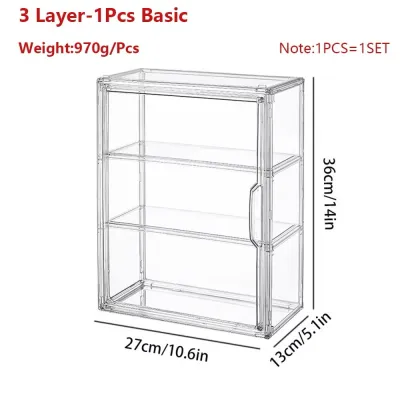
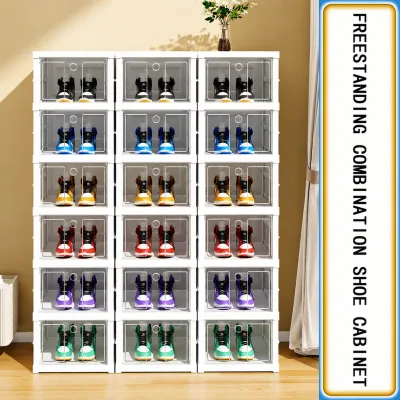
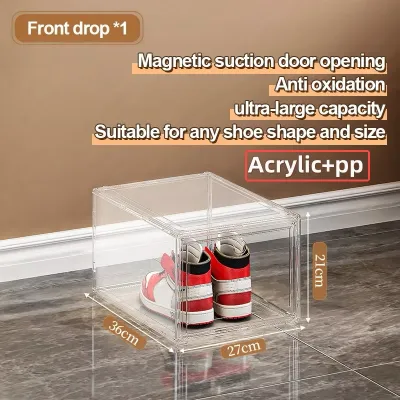
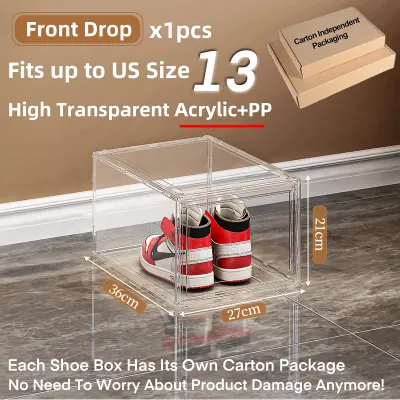
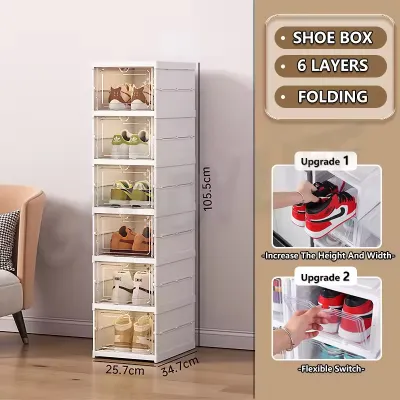
Prices are valid at publication and may change. Please refer to the product page for the latest price.
Finally, verify the structural limits of your closet. Check the manufacturer’s label or inspect the brackets of your closet rods and shelves to estimate their weight capacity. If a rod shows any signs of bowing or if the wall anchors feel loose, reinforce the hardware before adding heavy storage bags or dense stacks of shoes.
Designing the Integrated Storage Layout
A successful wardrobe layout relies on logical zoning, placing frequently used items within arm’s reach and seasonal items in less accessible areas. Allocate the upper and middle sections of your closet primarily for hangers and hanging storage bags. This zone utilizes the vertical drop space perfectly, keeping dresses, trousers, and delicate shirts free from creases while keeping them off the floor.

Reserve the lower shelves, floor space, or deep, hard-to-reach corners for stackable transparent shoe boxes. Footwear and bulky, folded items like denim or heavy sweaters are ideal for this lower zone because they are dense and heavy. Stacking them from the floor up creates a stable base that does not threaten the structural integrity of your hanging rods.
When planning this layout, always ensure there is adequate clearance between the bottom of your hanging clothes and the top of your stacked shoe boxes. Fabric dragging along the tops of plastic boxes can cause friction, leading to pilling, dust accumulation, or snagging. Aim for a clear gap of at least a few inches to allow air to circulate freely, which is especially important in humid tropical climates where stagnant air encourages mold growth.
Step-by-Step Integration: Hangers, Bags, and Boxes
Bringing these three elements together requires a systematic approach to physical arrangement. By coordinating your hangers, bags, and boxes, you create a cohesive system where each item has a designated, highly visible home.
Maximizing Vertical Space with Hangers and Storage Bags
Streamlining your hanging space starts with your choice of hangers. Grouping similar garments on uniform hangers—such as slim velvet or sturdy wooden options—creates a clean visual line and ensures clothes sit at the same height. This uniformity prevents smaller items from getting lost between bulkier garments and reduces the risk of delicate fabrics snagging on mismatched plastic or wire hooks.
For items that require extra protection from dust, moisture, or pests but should not be folded, integrate hanging storage bags. Suspend these bags directly from the closet rod or use secondary hooks to hang them flush against the side walls of the wardrobe. They are excellent for formal wear, seasonal jackets, or delicate traditional attire that needs to breathe but remains shielded from environmental wear.
As you fill these hanging bags, monitor the cumulative weight on your closet rod. Heavy garments can quickly add up, so distribute the load evenly across the length of the rod rather than clustering all heavy bags in one spot. If you notice any slight bowing, redistribute some items to lower shelves or alternative storage zones immediately.
Utilizing Transparent Shoe Boxes for Lower and Deep Shelves
Transparent shoe boxes are highly effective for organizing lower tiers and deep shelves, but they must be stacked safely. Always check the manufacturer’s guidelines to see how many boxes can be safely stacked on top of one another. Even with sturdy plastic, stacking too high can cause the bottom boxes to warp or buckle under the weight, making them difficult to open.
To maintain stability, align the boxes uniformly so their interlocking edges or flat surfaces meet precisely. This alignment distributes the weight evenly across the shelf or floor, preventing any overhang that could cause the stack to tip forward when you open a drawer. Placing the heaviest shoes or items in the bottom boxes of each stack further lowers the center of gravity.
The primary advantage of these containers is their clear front or body, which allows you to identify the contents instantly. Arrange the boxes with the opening doors facing outward so you can retrieve your footwear or accessories without needing to unstack the entire column. This simple placement rule saves time during busy mornings and keeps the overall system intact.
Compatibility and Placement Rules to Avoid Clutter
To keep your integrated system functional, you must establish clear boundaries regarding what goes where. Avoid the temptation to use transparent shoe boxes for heavy, non-footwear items like books, tools, or heavy hardware unless the manufacturer explicitly rates the plastic walls and interlocking lids for those specific loads. Overloading these boxes can crack the plastic or cause the stack to collapse.
Moisture control is another critical factor, particularly in humid environments. Never store damp, sweaty, or unwashed garments and shoes inside sealed storage bags or closed plastic shoe boxes. Trapping moisture in an airtight space creates an ideal breeding ground for mold, mildew, and unpleasant odors. Ensure all items are completely dry and clean before sealing them away.
Additionally, organize your footwear by frequency of use. Keep your daily shoes in unstacked, easily reachable boxes near the front of the closet floor or on the most accessible shelf. Reserve the higher, deeper stacks for off-season footwear, formal shoes, or occasional wear, reducing the daily physical effort required to maintain your organization system.
Maintaining and Adjusting Your Organized System
An organized wardrobe is not a one-time project; it requires regular maintenance to remain safe and functional. Periodically inspect your closet rods, shelf brackets, and wall anchors for any signs of sagging, bending, or loosening hardware. Catching these structural issues early prevents costly damage to both your cabinetry and your clothing.
Keep your storage components clean to preserve their appearance and function. Wipe down the exterior and interior of your transparent shoe boxes and storage bags using a soft, damp cloth according to the manufacturer’s care instructions. Avoiding harsh chemical cleaners prevents the clear plastic from clouding over time, ensuring you can always see your items clearly.
Finally, reassess your wardrobe layout seasonally. As weather patterns change or your personal style evolves, take time to rotate items between your hanging bags and shoe boxes. This seasonal check ensures your most relevant clothes remain easily accessible while keeping your storage system perfectly aligned with your daily routine.
Frequently Asked Questions (FAQ)
Can I stack transparent shoe boxes on top of hanging storage bags?
No, you should avoid stacking rigid transparent shoe boxes on top of hanging storage bags. Hanging bags are soft-sided and designed to suspend freely from a rod; they lack the structural integrity to support any weight on top of them. Placing heavy, rigid boxes on an uneven, soft surface will cause the boxes to tilt, slide, or fall, potentially damaging your items or causing injury. Keep your rigid shoe box stacks on solid shelves or the closet floor, and let your hanging bags hang independently.
How do I prevent transparent shoe boxes from sliding off shelves?
To secure your transparent shoe boxes on smooth closet shelves, first check if your boxes feature built-in interlocking grooves or tabs on their lids and bases, which naturally prevent sliding. If your boxes are flat-sided or your shelves are particularly slick, place a non-slip shelf liner beneath the bottom row of boxes. Alternatively, you can apply small, clear adhesive grip pads or silicone bumpers to the bottom corners of the lowest boxes. These methods provide excellent traction without damaging the finish of your closet shelves.

Community discussion
Share your experience or ask a question. Comments are reviewed before publication.