
Organizing a busy kitchen pantry requires a system that balances accessibility, space efficiency, and protection against tropical humidity. Using a Megabox storage box system allows you to categorize dry goods, secure ingredients from pests, and maximize the vertical space on your shelves. By transitioning from mismatched plastic bags and cardboard boxes to uniform, stackable containers, you can create a visual order that simplifies meal preparation and reduces food waste.
In a typical household in the Philippines, pantries often hold a diverse mix of bulk grains, canned goods, single-serve sachets, and local snacks. Managing these items in a warm, humid climate presents unique challenges, such as moisture buildup and insect intrusion. Implementing a structured storage plan with durable plastic bins helps keep your ingredients fresh, visible, and easy to retrieve whenever you cook.
Assess Your Pantry Space and Prepare Your Supplies
Before purchasing any new containers, you must thoroughly evaluate your existing pantry layout. Start by clearing a workspace and taking precise measurements of your pantry shelves. Use a standard measuring tape to record the depth, height, and width of each shelf. Knowing these exact dimensions prevents the common mistake of buying containers that are too deep for your cabinets or too tall to stack, which can block cabinet doors or obstruct nearby walkways.
Products mentioned in this guide
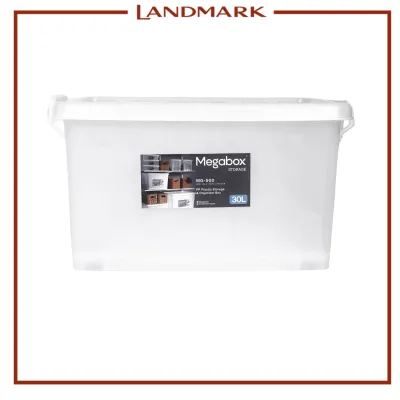
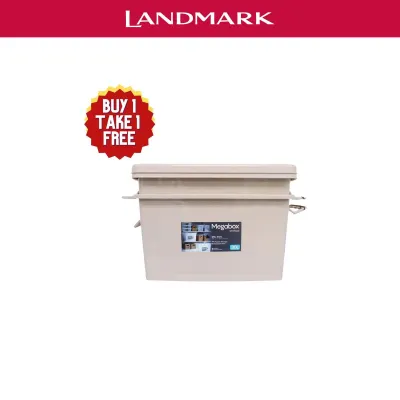
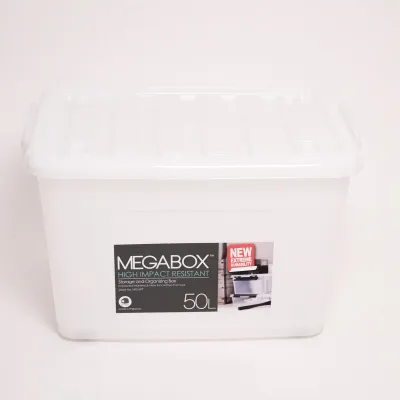
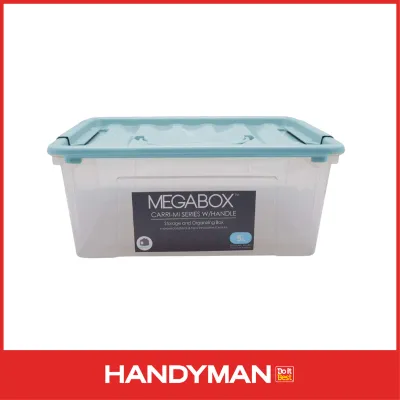
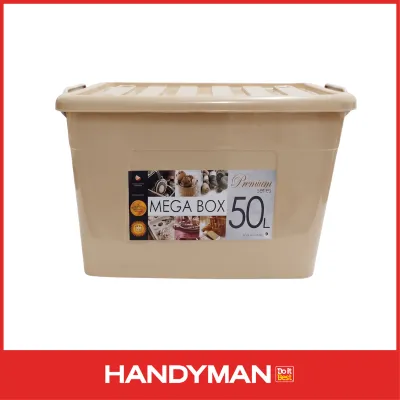
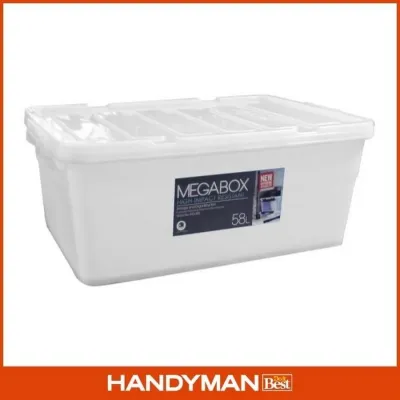
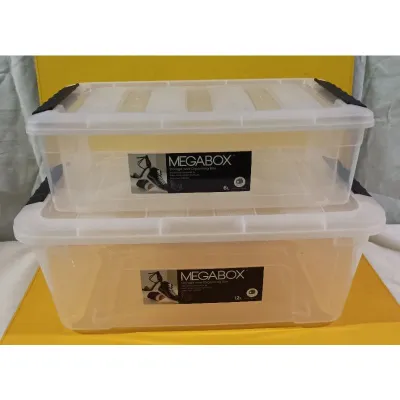
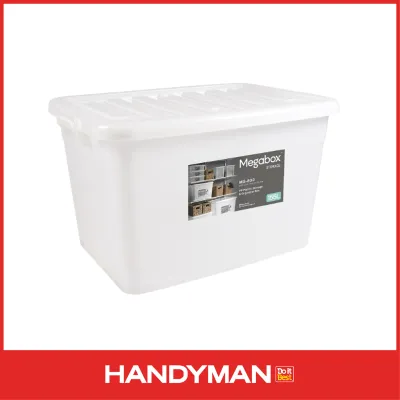
Prices are valid at publication and may change. Please refer to the product page for the latest price.
Next, check the structural integrity and weight capacity of your pantry shelves. Wire shelving, lightweight wooden brackets, and floating shelves all have different load limits. Heavy bulk ingredients, such as large bags of rice, multi-kilogram bags of flour, or heavy glass condiment bottles, can cause shelves to sag or fail if concentrated in one area. Distributing this weight across multiple sturdy containers and placing them strategically will protect your cabinetry from structural damage.
Once you understand your space constraints, gather your organizing supplies. You will need your selected Megabox storage boxes, mild dish soap, clean microfiber cloths, and your preferred labeling tools. Having these items ready before you begin ensures a smooth, uninterrupted workflow. It also allows you to clean the shelves thoroughly before placing any containers back inside, establishing a clean foundation for your new pantry system.
Sort and Categorize Your Dry Goods and Snacks
The next step is to completely empty your pantry shelves to assess what you actually have. Place all food items onto a large table or kitchen counter so you can see every package clearly. This is the ideal time to check expiration dates, inspect packages for signs of spoilage, and discard any items that are no longer safe to consume. Emptying the space also reveals hidden duplicates, helping you avoid buying ingredients you already own.

With your remaining items laid out, group them into logical categories based on how you cook and eat. For instance, you can create separate piles for baking supplies, daily snacks, bulk grains, instant noodles, and breakfast items. In Filipino households, grouping single-serve coffee, milk, and seasoning sachets together is particularly helpful, as these small packages easily get lost at the back of deep shelves if left loose.
After categorizing your items, match the volume of each group to the appropriate container size. Bulk staples like rice, sugar, and flour require larger, deep-capacity boxes with secure lids. Conversely, smaller items like baking powder, spices, or snack packs are better suited for shallow, open-top bins or smaller boxes that can be stacked. Keeping frequently used items in smaller, lightweight containers makes them much easier to pull down from upper shelves during daily meal preparation.
Pack and Arrange Your Megabox Containers Step-by-Step
Before transferring any food items into your containers, wash and dry them thoroughly. Any lingering moisture inside a sealed plastic box can lead to mold growth, clumping, or premature spoilage, especially in warm and humid climates. Wash the boxes and lids with mild soap, rinse them with clean water, and let them dry completely in a well-ventilated area.
When transferring dry goods into the containers, avoid filling them to the very brim. Leave a small gap of about one to two inches at the top of each box. This clearance ensures that when you press down or clip on the lids, the seal engages properly without forcing food particles into the rim, which could compromise the closure. For items that you prefer to keep in their original packaging, simply place the entire bag or box inside the plastic container to protect it from pests.
As you place the filled containers back onto your pantry shelves, implement the “first in, first out” method. Position older items or packages with closer expiration dates toward the front of the shelf, and place newer purchases behind them. This simple arrangement ensures you use up older stock first, significantly reducing food waste and saving money over time.
To maintain safety and stability in your kitchen, always place your heaviest containers on the lowest shelves or the pantry floor. Large boxes filled with rice, cooking oils, or heavy canned goods should never be stored above eye level, as they pose a serious tipping hazard and can strain your shelves. Keep lighter items, such as crackers, chips, and cereal boxes, on the middle and upper shelves where they are easy to reach without heavy lifting.
Label and Maintain Your Organized Pantry
A successful pantry system relies on clear identification, which is why labeling is a crucial step. Apply durable, easy-to-read labels to the front or top of each container, depending on whether they are stacked or placed side-by-side. Write the name of the ingredient clearly, and always include the expiration date. If you transfer bulk items out of their original packaging, clipping the expiration date from the original bag and taping it to the back of the container is an easy way to keep track.
Maintaining your organized pantry requires minimal but consistent effort. Wipe down the exterior of your plastic containers regularly with a damp microfiber cloth to remove dust, flour residue, or sticky fingerprints. Because plastic surfaces are easy to clean, a quick wipe-down prevents grime from building up and keeps your pantry looking fresh and hygienic.
Additionally, schedule a quick monthly review of your pantry space. Use this time to check for any signs of moisture accumulation, inspect the seals on your containers, and identify any items that are nearing their expiration dates. This routine check helps you catch potential issues early, such as pest activity or forgotten ingredients, ensuring your storage system remains clean, safe, and highly functional throughout the year.
Troubleshoot Common Pantry Storage Challenges
Even with a structured system, you may encounter challenges like awkwardly shaped packages that do not fit neatly inside standard rectangular boxes. Items like large chip bags, oddly shaped noodle packs, or bulk condiment pouches can disrupt your stacking plan. To handle these, designate a specific open-top overflow bin where these items can stand upright, keeping them contained without cluttering the rest of your shelves.
Another common issue in tropical environments is the clumping of fine powders like sugar, salt, or flour due to humidity. To prevent this, double-check that your containers are completely dry before filling them, and ensure the lids are pressed down firmly after every single use. For added protection, you can place food-safe silica gel packets or reusable moisture absorbers inside the containers to help keep the contents dry and free-flowing.
Finally, do not hesitate to adjust your pantry layout if you find that daily access feels awkward or restricted. If you constantly have to move three boxes just to reach your morning coffee, your current arrangement is not working for your lifestyle. Re-evaluate your shelf heights or swap container positions until the items you use most frequently are always within arm’s reach, making your kitchen routine as smooth as possible.
Frequently Asked Questions (FAQ)
Are Megabox storage boxes safe for storing all types of dry food?
Before using any plastic container for direct food contact, check the manufacturer’s label, product packaging, or embossed symbols on the bottom of the box for food-safe or BPA-free indicators. If a container is not explicitly rated for direct food contact, you can still use it to organize packaged goods, such as individually wrapped snacks, canned items, or spices kept in their original jars. Avoid storing highly acidic ingredients or liquid-heavy foods in these containers unless they are specifically designed and certified for liquid storage.
How do I clean Megabox containers before their first use?
To prepare new storage boxes for food storage, wash them thoroughly with mild dish soap and warm water to remove any dust or manufacturing residue. Avoid using abrasive scrubbing pads or harsh chemical cleaners, as these can scratch the plastic surface and make it harder to clean in the future. After rinsing the containers and lids completely, place them upside down on a clean dish rack or towel to air-dry. Ensure they are entirely dry before filling them to prevent trapping moisture inside.

Community discussion
Share your experience or ask a question. Comments are reviewed before publication.