
Packing and labeling toy basket organizers for a lipat bahay (moving house) requires a systematic approach of sorting, securing, and strategic labeling. By using your existing toy basket organizers as self-contained moving vessels, you can minimize waste, protect fragile items, and ensure your children have immediate access to their favorite toys upon arrival. This guide walks you through preparing, packing, labeling, and unpacking your toy storage systems to make your transition as smooth as possible.
Prepare and Sort Toys Before Packing
Moving to a new home in the Philippines is the perfect opportunity to audit your child’s toy collection. Before placing a single item into a toy basket organizer, gather all toys in a central, well-ventilated area.
Sort the toys into distinct categories based on type, age appropriateness, and frequency of use. Grouping similar items—such as building blocks, action figures, art supplies, and stuffed animals—helps you determine which toy basket organizer is best suited for each category.
Products mentioned in this guide
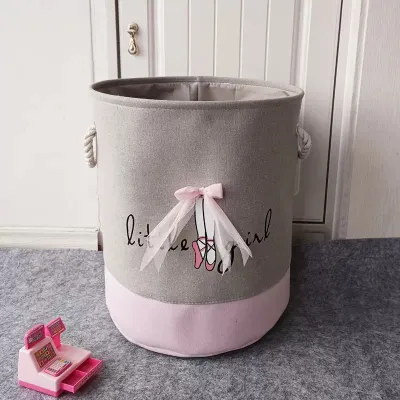
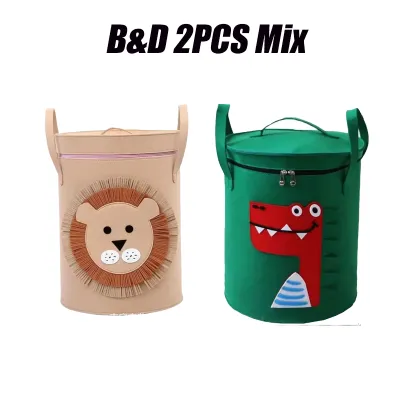
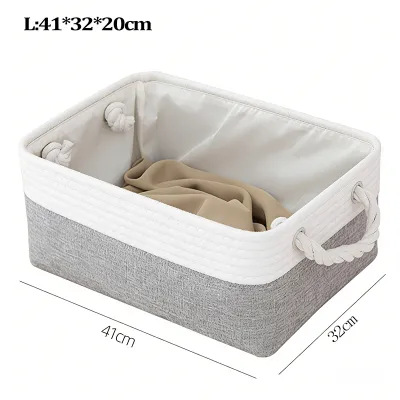
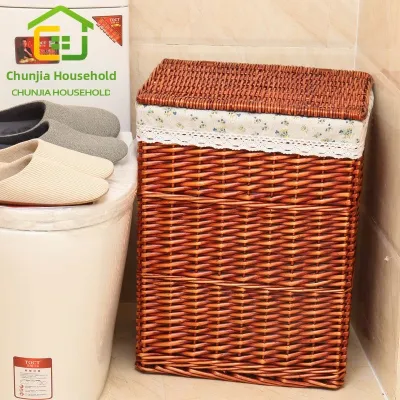
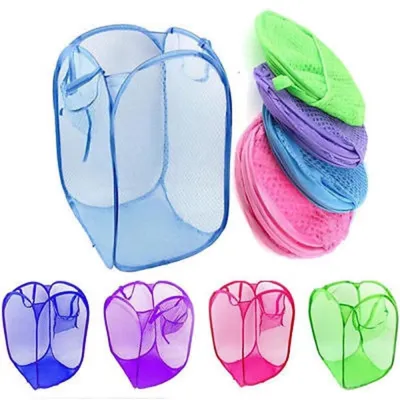
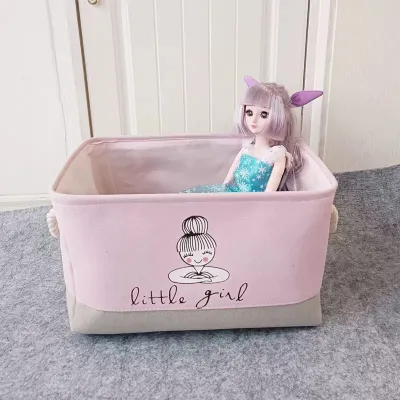
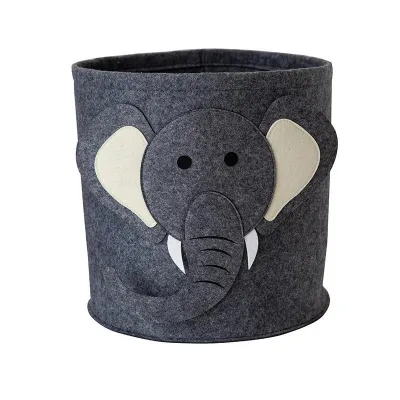
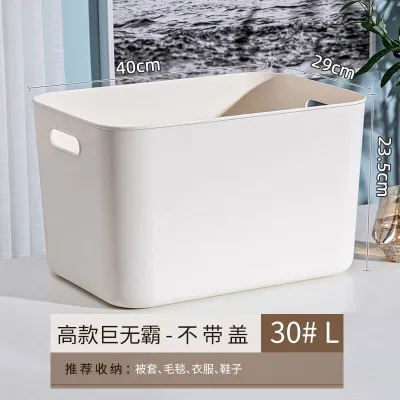
Prices are valid at publication and may change. Please refer to the product page for the latest price.
Be honest about what your children actually play with. Discard broken plastic toys that pose safety hazards, and set aside outgrown but gently used items for donation to local shelters or community centers. Reducing the volume of toys before the move directly translates to fewer boxes, saving you money on packing supplies that can easily cost upwards of ₱500, and less clutter in your new home.
During this sorting phase, involve your children if they are old enough. Letting them choose which items to keep can ease the emotional transition of moving, though you may want to make the final decision on broken or forgotten items privately.
Finally, identify a small selection of favorite or comfort toys—such as a beloved stuffed animal, a couple of toy cars, or a favorite storybook. Set these aside in a separate pile; they will not be packed deep into the moving truck but will instead remain accessible throughout the journey.
Pack Toy Basket Organizers Safely
Before loading your toy basket organizers, assess their material and structural integrity. Woven plastic, fabric, wooden, and open-wire baskets all require different handling to survive the bumpy ride in a moving truck.

For sturdy, rigid plastic or wooden toy basket organizers, you can often use them as the primary moving containers. Check the manufacturer’s load capacity and inspect the joints or corners for any existing stress fractures before filling them.
If you are using open fabric or woven baskets, they may lack the structural strength to resist crushing. For these, it is best to pack the empty, collapsed baskets flat inside larger cardboard boxes, or pack them lightly and place them inside heavy-duty moving crates.
To maximize space and protect fragile items, use the “nesting” technique. Fill any empty spaces inside your rigid toy basket organizers with soft items like stuffed animals, baby blankets, or children’s clothing. This prevents hard plastic or wooden toys from shifting, rattling, and scratching each other during transit.
Avoid overfilling any basket past its rim. Overfilled organizers cannot be stacked safely, which increases the risk of the top baskets sliding off or crushing the items underneath. Keep the contents level with or slightly below the top edge.
Secure the contents of open baskets using stretch wrap (cling wrap) or heavy-duty packing tape. Wrap the entire basket multiple times, ensuring the top opening is completely sealed to prevent small pieces from spilling out. If the basket has a lid, tape the lid securely to the base, taking care not to apply adhesive tape directly to delicate finishes or painted wood.
When loading the moving vehicle, place heavier, more durable plastic or wooden organizers at the bottom of a stack. Lighter fabric or woven baskets should always go on top to prevent them from collapsing under weight.
Create a Clear Labeling System
A chaotic unpacking process can turn your new home into a maze of mystery boxes. Establishing a clear, systematic labeling method for your toy basket organizers ensures that every item finds its proper place without delay.
Consider color-coding your labels based on the destination room. For example, use blue labels for the kid’s bedroom, green for the living room play area, and yellow for the family den. This visual cue allows movers to deposit each basket in the correct zone immediately.
Alternatively, implement a numbered inventory system. Assign a number to each toy basket organizer and write a corresponding list on your phone or a notepad detailing exactly what is inside (e.g., “Basket #3: Wooden train tracks and trains”). This keeps your detailed inventory private while ensuring you can find specific items instantly.
Always place your labels on multiple sides of the organizer, including the top lid. When baskets are stacked high in the truck or piled in the corner of your new living room, a single label on the front might be hidden from view. Multi-side labeling guarantees visibility from any angle.
Clearly mark any baskets containing fragile items, such as delicate model sets or electronic toys, with a bold “FRAGILE” label. Similarly, write “HEAVY” on organizers filled with dense items like wooden blocks or books to guide your movers and prevent physical strain or accidental drops.
Use waterproof markers and high-tack adhesive labels that can withstand the high humidity and warm temperatures typical of a tropical move. Standard paper labels can easily peel off or smudge if they come into contact with moisture or sweat during the loading process.
Keep Essential Toys Accessible During the Move
Moving day is often long, tiring, and overwhelming for young children. To keep them calm and entertained while you coordinate with the movers, you must keep a dedicated selection of essential toys easily accessible.
Select one medium-sized, durable toy basket organizer to serve as your “open-first” essentials kit. Pack this basket with daily necessities, favorite comfort toys, a few quiet activities like coloring books or magnetic travel games, and some non-messy snacks.
Do not load this essential toy basket organizer onto the main moving truck. Instead, place it in the backseat or trunk of your family vehicle, where you can reach it at a moment’s notice during rest stops or traffic delays.
Along with toys, pack a pack of basic cleaning wipes, hand sanitizer, and a small first-aid kit inside this accessible basket. Having these items on hand allows you to quickly clean sticky hands or tend to minor scrapes without digging through sealed moving boxes.
If your child has a specific sleep association, such as a favorite blanket or a plush toy, make sure it is placed in this basket. Keeping these comfort items close by helps maintain a sense of security and routine amidst the chaotic environment of a move.
Unpack and Reorganize at the New Home
Arriving at your new home marks the beginning of the settling-in phase. To restore a sense of normalcy and keep your children occupied while you tackle larger furniture assembly, unpack your dedicated essentials toy basket first.
Set up a temporary, safe play zone in a quiet corner of the new house. Giving your children their familiar toys right away keeps them entertained and out of the path of movers carrying heavy furniture.
Before permanently placing the remaining toy basket organizers in their designated spots, inspect each basket and its contents for any transit damage. Check plastic bins for hairline cracks, wooden organizers for splinters, and fabric baskets for tears.
Take this opportunity to evaluate the layout of the new room. The dimensions, shelving units, or closet configurations in your new home may differ from your previous setup, requiring a fresh approach to your storage arrangement.
Position the toy basket organizers on low, stable shelves or directly on the floor to ensure they are easily reachable for your children. If you are placing organizers on tall shelving units, verify that the shelves are securely anchored to the wall to prevent tip-over accidents.
Update your labels if the function of a basket changes during the reorganization. Keeping the labeling system accurate from day one helps your children learn where their toys belong, encouraging them to participate in keeping their new space tidy.
Frequently Asked Questions (FAQ)
Should I keep toys in their original boxes or use toy basket organizers for moving?
Using toy basket organizers is generally more space-efficient and practical for daily-use toys, as they eliminate the need to pack and unpack individual cardboard boxes. However, original boxes are highly recommended for fragile, collectible, or highly complex toys with many small, specialized parts, as the original packaging is custom-molded to protect those specific shapes. For standard toys like blocks, plushies, and action figures, packing them directly into your secured toy basket organizers saves time and reduces moving waste.
How do I prevent plastic toy basket organizers from cracking during a lipat bahay?
To prevent rigid plastic organizers from cracking, avoid exceeding their recommended weight limits and never overfill them. When loading the moving truck, place heavier wooden or cardboard boxes on the floor, and stack plastic baskets on top of them rather than underneath heavy furniture. Additionally, fill any empty space inside the plastic baskets with soft items like stuffed animals or bubble wrap to absorb external shocks and prevent the plastic walls from flexing and cracking under pressure.

Community discussion
Share your experience or ask a question. Comments are reviewed before publication.