
Packing for a lipat bahay requires more than just throwing items into random containers. In the tropical climate of the Philippines, where sudden downpours, high humidity, and pests are constant challenges, plastic storage boxes offer an excellent alternative to traditional cardboard. They provide a sturdy, moisture-resistant barrier that keeps your clothes, kitchenware, and valuables safe during transit and long-term storage. To make your move seamless, you need a systematic approach to selecting, packing, labeling, and stacking these containers. By organizing your belongings methodically, you protect your investments and make the unpacking process at your new home significantly faster and less stressful.
Preparing Your Plastic Storage Boxes and Packing Supplies
Before you begin packing, inspect every plastic storage box you plan to use. Look closely for hairline cracks, chipped corners, or warped edges that could compromise the structural integrity of the container under pressure. A box with a compromised base or side wall can easily buckle when stacked inside a moving truck, potentially damaging the items inside.
Ensure that the lids seal tightly and snap securely into place. Lids that pop off easily or do not align properly will fail to keep out dust, moisture, and pests during the transition. If you are reusing older boxes, wash the interiors with mild soap and water, then let them dry completely in the sun to eliminate any lingering odors or dampness before packing.
Products mentioned in this guide
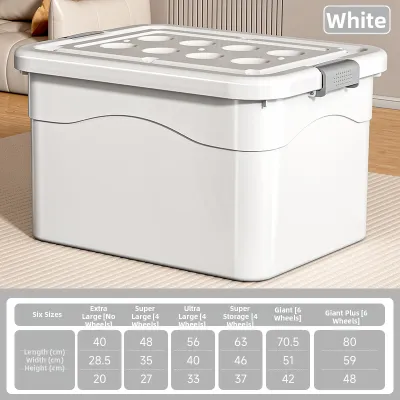
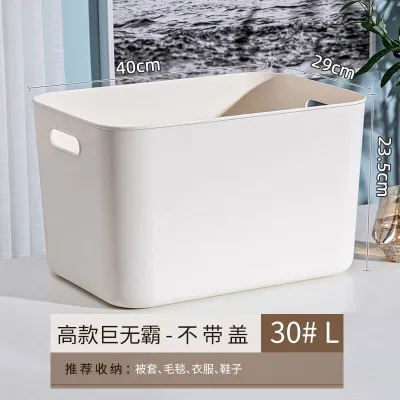
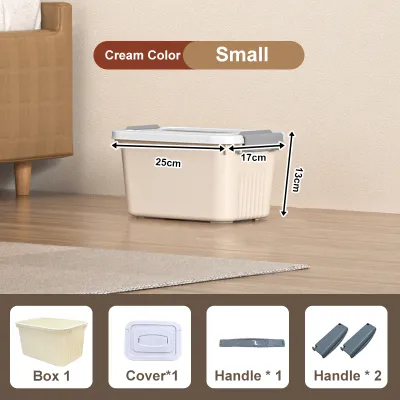
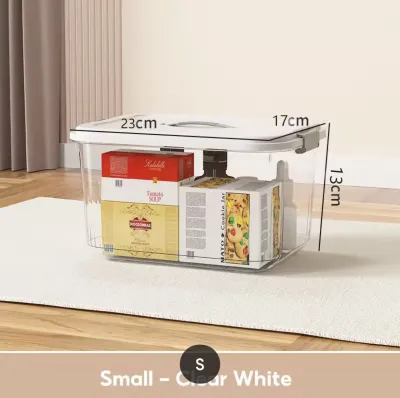
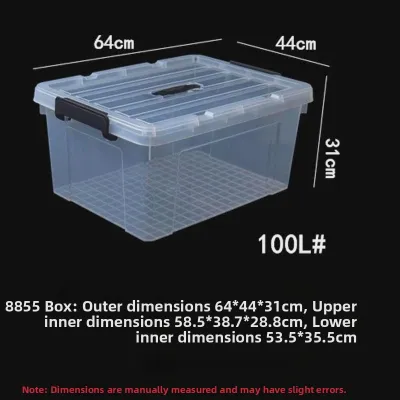
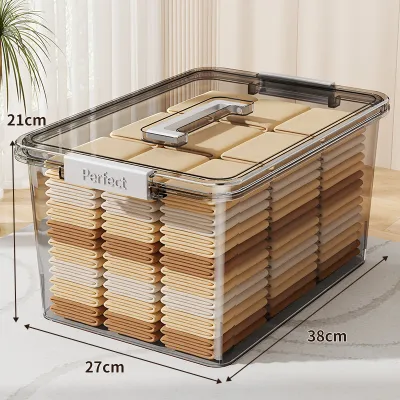
Prices are valid at publication and may change. Please refer to the product page for the latest price.
Selecting the right box size is crucial for physical safety and efficient loading. Reserve smaller plastic storage boxes for dense, heavy items like books, kitchen utensils, and small electronics. Larger containers are ideal for bulky, lightweight items such as pillows, blankets, and stuffed toys that would otherwise take up too much space.
Check the material specifications of your boxes if you plan to store items long-term after the move. Heavy-duty polypropylene boxes are highly durable and offer excellent resistance to moisture and impact. Avoid using thin, brittle plastics that degrade quickly when exposed to heat or sunlight, as they can shatter easily during transport.
Gather your supplementary packing materials beforehand to keep your packing flow uninterrupted. You will need high-quality bubble wrap, clean packing paper, and heavy-duty packing tape to secure lids and wrap delicate items. Avoid using newspaper directly against light-colored fabrics or ceramics, as the ink can transfer and permanently stain your belongings.
Sorting and Decluttering Before You Pack
A successful lipat bahay starts with reducing the volume of items you actually need to transport. Implementing a strict sorting system—categorizing items to keep, donate, or discard—prevents you from wasting valuable box space on things you no longer use. Go through every closet, cabinet, and drawer to make honest decisions about what deserves a place in your new home.

Group your remaining belongings by room and daily usage frequency. Keep daily essentials, such as basic toiletries, a few changes of clothes, and immediate kitchen tools, separate from items you only use occasionally. This ensures that your most critical items are packed last and unpacked first, saving you from rummaging through dozens of boxes on your first night.
When sorting electronics, keep their corresponding cables, chargers, and accessories together. Use small, clear plastic bags to hold the cords for specific devices, and label them clearly before placing them in the larger storage box. This prevents a tangled mess of wires that can take hours to sort out during the unpacking phase.
Identify fragile, hazardous, or high-value items that require special handling. Items like jewelry, legal documents, and small family heirlooms should never be packed into general moving boxes; instead, keep them in a dedicated personal bag that stays with you throughout the move. Hazardous materials, including flammable liquids, aerosol cans, and loose batteries, must be separated and transported according to local safety guidelines rather than sealed inside plastic boxes.
Packing Strategies by Item Category and Weight
Proper weight distribution is the golden rule of packing any container. Always place your heaviest items at the bottom of the plastic storage box to establish a stable base and prevent the box from becoming top-heavy. Lighter, more delicate items should rest on top, where they are safe from being crushed by heavier objects.
You can protect breakable items without buying excessive amounts of bubble wrap by utilizing your own linens and clothing. Wrap ceramic plates, glass bowls, and small decor items in thick cotton t-shirts, towels, or bedsheets. This double-duty packing method saves money on packing supplies while simultaneously packing your wardrobe and linens.
Never leave empty gaps inside your plastic storage boxes. When items have room to shift during transit, they are much more likely to collide and break. Fill any remaining voids with soft items like socks, washcloths, or crumpled packing paper until the contents are snug and cannot move when the box is gently shaken.
If you are packing liquids, such as shampoo bottles, cleaning agents, or kitchen oils, take extra precautions to prevent leaks. Seal the opening of each bottle with plastic wrap before screwing the cap back on, and place the bottles upright inside a sealed plastic bag before putting them in the box. This ensures that any accidental leaks are contained and do not ruin other packed items.
Be mindful of the overall weight of each packed box. Even if a plastic storage box is large enough to hold all your heavy kitchenware, lifting a single, overly heavy box can lead to physical strain or cause the plastic handles to snap. Keep a balance by mixing heavy items with lighter fillers to ensure every box remains manageable for you and your movers.
Labeling and Tracking Your Packed Boxes
An organized labeling system is what transforms a chaotic move into a structured transition. Use a consistent color-coding system by assigning a specific color of tape or marker to each room in your new house. For example, blue labels can represent the kitchen, while green labels designate the master bedroom, allowing movers to place boxes in their correct rooms instantly.
Write detailed labels on multiple sides of each plastic storage box, rather than just on the lid. When boxes are stacked on top of one another, lid labels become completely invisible. Writing the destination room and a brief summary of the contents on at least two sides ensures you can identify what is inside from any angle.
Avoid writing directly on the plastic box if you plan to reuse it for different purposes in the future. Instead, apply a strip of painter’s tape or a dedicated adhesive label to the side of the box, and write your notes on that. This allows you to peel off the label easily after the move without leaving sticky residue or permanent marker stains.
Maintain a master inventory list on your phone or in a dedicated notebook. Number each plastic storage box and write down the corresponding number alongside a detailed list of its contents in your inventory. This extra step is incredibly helpful for tracking high-value items and verifying that every single box has arrived safely at your destination.
Stacking and Loading Boxes Safely for Transit
Understanding the structural limits of your plastic storage boxes is essential to prevent costly accidents in the moving truck. Unlike cardboard, plastic can crack or warp under sustained, uneven pressure. Check the manufacturer’s guidelines for stackability and avoid placing excessive weight on lids that do not have reinforced support structures.
Secure the lids of your boxes with heavy-duty tape or tie-down straps if they are going to be stacked high. Even snap-on lids can pop loose when the moving vehicle encounters bumps, potholes, or sharp turns on the road. A single strip of tape across the latching handles provides cheap insurance against accidental spills.
Consider the temperature inside the moving vehicle during transit. In tropical climates, the interior of a closed moving truck can become extremely hot, which can soften certain types of plastic and make them more susceptible to warping under load. Keep highly sensitive items out of the hottest areas of the truck and avoid stacking heavy items on top of boxes containing heat-sensitive goods.
Plan your loading sequence carefully to build a stable stack inside the vehicle. Place your heaviest, sturdier plastic boxes at the very bottom of the stack to create a solid foundation. Stack lighter, more fragile boxes on top, and ensure that the columns are tightly packed against each other or secured with straps to prevent tipping during transit.
Frequently Asked Questions (FAQ)
Can I use standard plastic storage boxes for heavy items like books?
Standard plastic storage boxes are generally not designed to support a full load of dense, heavy items like books. Before packing, inspect the underside of the box for reinforcement ribs and check the manufacturer’s label for weight limits. To prevent the bottom from bowing or cracking, use smaller boxes for books, or mix a few books at the bottom with lighter items like pillows or plush toys on top.
How do I prevent clothes from wrinkling when packed in plastic boxes?
To minimize wrinkles and maximize space, roll your clothing tightly instead of folding it. Rolling compresses the fabric gently without creating the sharp, deep creases that come from traditional folding. For bulky garments like winter jackets or comforters, consider using vacuum-seal bags inside the plastic box, while keeping everyday cotton shirts and delicate fabrics loosely packed to allow the fibers to breathe.

Community discussion
Share your experience or ask a question. Comments are reviewed before publication.