
Moving to a new home—often referred to locally as lipat bahay—is an exciting milestone, but the process of packing up your entire life can quickly become overwhelming. The key to a smooth, stress-free transition lies in how you select, pack, and organize your storage boxes. In tropical climates like the Philippines, where high humidity, dust, and sudden downpours can threaten your belongings, strategic packing is not just about fitting items into containers; it is about protecting them from environmental damage and physical wear during transit. By choosing the right materials, distributing weight logically, and using systematic packing techniques, you can ensure your items arrive at your new destination completely intact.
Choosing the Right Storage Boxes and Packing Supplies
Before you begin packing, it is essential to evaluate the physical specifications of your containers. Do not rely on visual estimates alone; check the manufacturer’s stated weight limits, wall thickness, and dimensions to ensure they can handle your belongings. Using the wrong box size or material can lead to structural failure, damaged items, and unnecessary physical strain during lifting.
When preparing for a move, you will primarily choose between corrugated cardboard boxes and reusable plastic bins. Corrugated cardboard boxes are cost-effective, lightweight, and easy to fold flat when empty, making them a popular choice for temporary transport. However, in humid environments, cardboard can absorb moisture from the air, weakening its structural integrity and making it susceptible to tearing or collapsing when stacked. Reusable plastic bins with secure lids offer superior protection against moisture, tropical pests, and sudden rain during loading. They are ideal for long-term storage, delicate electronics, and valuable linens, though they require more storage space when not in use and represent a higher upfront investment.
Products mentioned in this guide
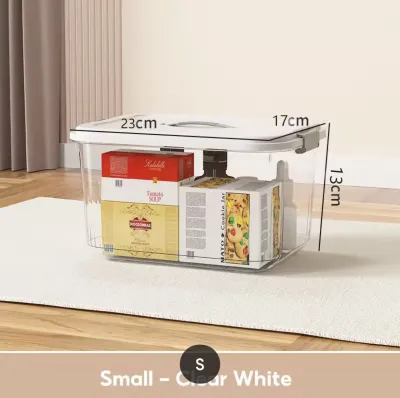
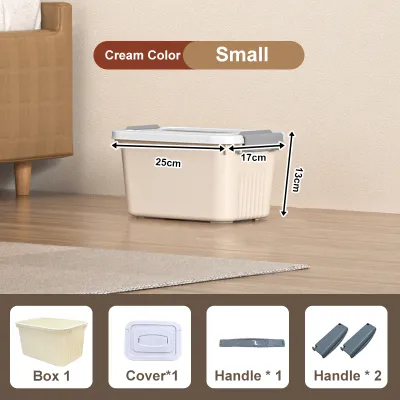
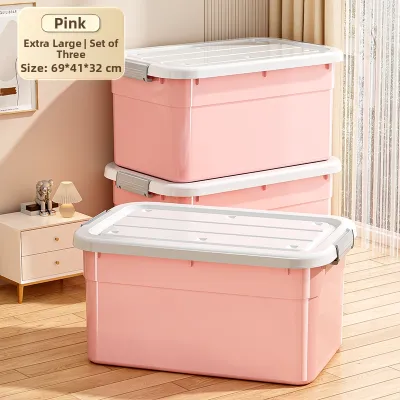
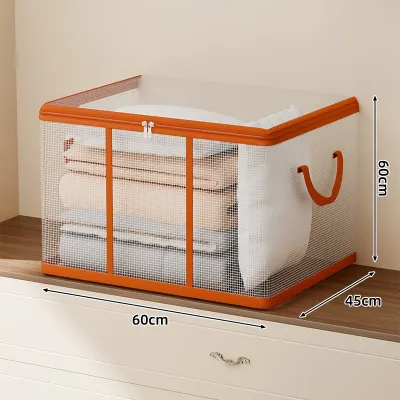
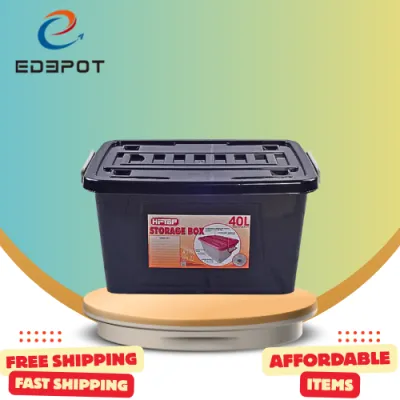
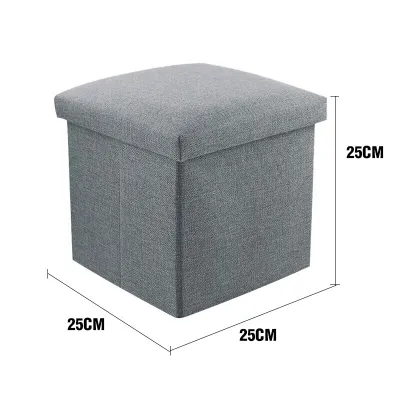
Prices are valid at publication and may change. Please refer to the product page for the latest price.
In addition to boxes, gathering high-quality packing supplies is crucial for securing your items. Standard packing tape, bubble wrap, packing paper, and stretch wrap are essential tools. Avoid using cheap stationery tape, as it degrades quickly in warm temperatures and lacks the adhesive strength needed to hold heavy boxes together. Heavy-duty packing tape ensures that box seams remain sealed even under pressure.
Step-by-Step Guide to Packing Kitchenware and Fragile Items
Kitchenware and fragile items require meticulous cushioning and strategic placement to survive the journey. The primary goal when packing these items is to absorb shock and eliminate any movement inside the storage box.

Begin by wrapping individual glasses, plates, and bowls with appropriate cushioning materials. Clean packing paper or bubble wrap should cover every surface of the item. For glasses and mugs, stuff the interiors with crumpled paper to reinforce their structure from the inside. When packing plates, avoid stacking them flat on top of one another, as this concentrates weight on the center of the bottom plate, making it highly susceptible to cracking. Instead, position plates vertically on their edges, similar to how they sit in a dish rack. This vertical orientation distributes shock much more effectively during transit.
Once your wrapped items are in the box, fill all remaining void spaces with crumpled packing paper, clean towels, or bubble wrap. A fully packed box should have zero movement when gently shaken; if you hear items shifting, add more padding. Finally, reinforce the bottom of the box with a “double-T” taping pattern—one strip down the center seam and two strips crossing the edges—and clearly mark the box as “Fragile” on multiple sides to alert movers to handle it with care.
Space-Saving Methods for Packing Clothes and Linens
Packing apparel and household linens efficiently requires a balance between maximizing space and protecting fabrics from damage, musty odors, and deep creases.
The choice between rolling and folding your garments depends on the fabric type and the depth of your storage box. Rolling clothes works exceptionally well for casual wear, synthetic fabrics, and t-shirts, maximizing space and minimizing deep creases. For structured garments like blazers, heavy cottons, or formal wear, traditional flat folding is preferred to maintain shape.
Compression bags are excellent for bulky items like pillows, comforters, and winter wear, as they remove excess air and significantly reduce the volume of these items. However, avoid using them for delicate natural fibers like silk or wool, as the intense pressure can cause permanent creasing and damage the fibers.
For hanging garments, wardrobe boxes are highly recommended. These specialized tall cardboard boxes feature a metal hanging bar, allowing you to transfer clothes directly from your closet on their hangers. Alternatively, heavy-duty plastic bins can keep folded garments clean, dry, and protected from dust and humidity.
Securing Heavy Items, Books, and Electronics for Transport
Proper weight distribution and protecting dense or sensitive objects are critical to preventing box failure and reducing lifting strain.
The “small-box rule” is essential when packing heavy items like books, files, and small kitchen appliances. Always pack these dense objects in small boxes. A large box filled with books becomes incredibly heavy, making it difficult to lift safely and increasing the risk of the bottom blowing out.
Electronics require extra care. Use original packaging if available, as it is custom-designed to protect the device. If not, wrap devices in anti-static bubble wrap and place them in sturdy boxes with ample padding on all sides. Label and bundle cables using twist ties or velcro straps, taping them to their respective devices to avoid confusion during setup.
Before loading dense objects, check the structural integrity and base support of your boxes. If the bottom bows or feels unstable, transfer some contents to another box or add extra tape reinforcement.
Labeling and Stacking Strategies for Safe Transport
Once your boxes are packed, organizing them systematically inside the transport vehicle is crucial for a safe journey.
Create a clear, room-based labeling system. Write the destination room (e.g., “Kitchen,” “Master Bedroom”) and a brief list of contents on at least two sides of the box. Mark “Open First” on essential boxes.
When loading the vehicle, place the heaviest, most durable boxes at the bottom to create a stable foundation. Lighter, fragile boxes must go on top. Keep the center of gravity low to prevent stacks from tipping.
Finally, secure the loaded storage boxes in the transport vehicle using straps, bungee cords, or wedges to prevent tipping or sliding during transit on bumpy roads.
Unpacking Priorities and Repurposing Your Storage Boxes
A successful move ends with an organized unpacking process and sustainable management of your packing materials.
Pack a designated “first-night” box with essentials—toiletries, a change of clothes, basic tools, chargers, and bedding. Keep this box easily accessible so you do not have to rummage through dozens of containers on your first night.
Once unpacked, use a utility knife to carefully slice the tape along the seams of your cardboard boxes. Fold them flat for easy recycling or dry storage.
Clean and store durable plastic bins for future household organization, seasonal storage, or subsequent moves.

Community discussion
Share your experience or ask a question. Comments are reviewed before publication.