
To pack and organize a rattan basket with cover for moving, you must line the interior with a thick protective barrier, pack only lightweight and non-fragile items, layer the contents with the heaviest pieces at the bottom, and secure the cover with external flat straps. A rattan basket with cover is a beautiful and breathable storage option, but its natural woven structure lacks built-in waterproofing, shock absorption, or rigid structural strength. Taking specific precautions protects both your household goods and the basket itself from the bumps, dust, and high humidity typical of a tropical move.
Using woven containers for a lipat bahay requires a shift in mindset compared to packing standard cardboard boxes. Because rattan is a natural, flexible fiber, it responds to environmental changes and physical stress differently than synthetic materials. By preparing the basket correctly and organizing its contents systematically, you can transition it seamlessly from a stylish home organizer to a durable transit container and back again.
Preparing Your Rattan Basket and Packing Materials
Before placing any household items inside your rattan basket with cover, you must thoroughly inspect its physical condition. Run your hands carefully along the interior and exterior weaves to check for loose fibers, protruding splinters, or cracked cane. These sharp edges can easily snag delicate fabrics, tear clothing, or scratch your hands during the packing process. If you find any rough areas, consult the manufacturer’s care instructions to see if the basket has a specific protective finish before attempting any minor repairs.
Products mentioned in this guide

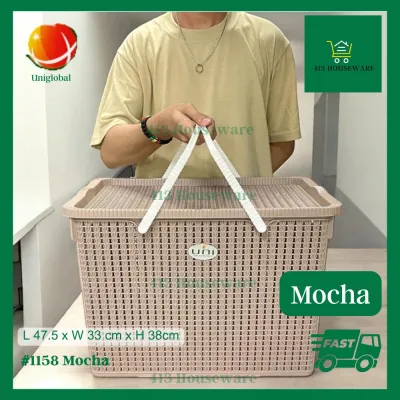
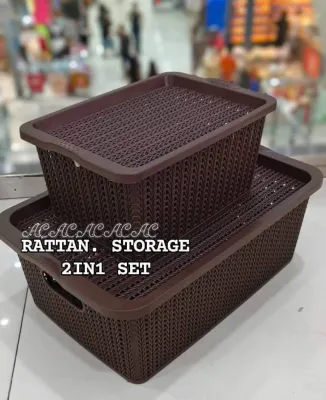
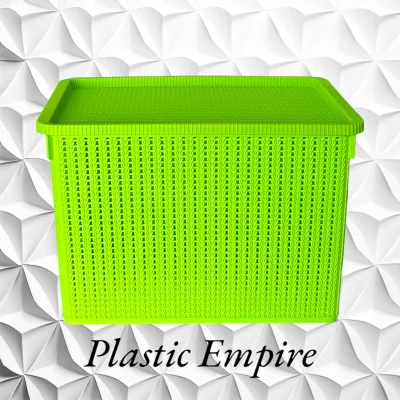
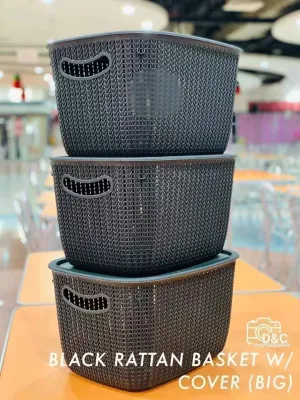


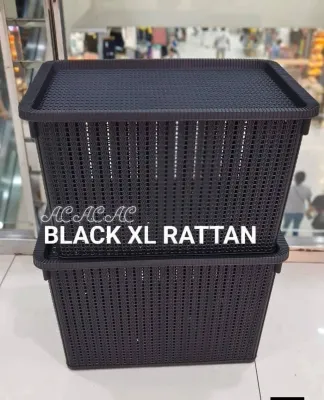
Prices are valid at publication and may change. Please refer to the product page for the latest price.
Next, test the structural integrity of the handles and the base by applying gentle downward pressure on the bottom weave. If you notice significant sagging, loose bindings, or brittle fibers, avoid using that basket for anything other than extremely light, soft items. In tropical climates like the Philippines, natural fibers are also susceptible to insect activity; check the tight crevices of the weave for any signs of wood-boring insects or dust before bringing the basket near your clean linens.
Because natural rattan is highly porous and abrasive, it requires a secondary layer to shield its contents from external elements. Gather heavy-duty plastic garbage bags, clean cloth liners, or old cotton bedsheets to serve as an internal barrier. These liners prevent fine road dust from settling through the gaps in the weave during transport.
For fragile or delicate contents, prepare cushioning materials such as clean packing paper, bubble wrap, or soft everyday household textiles like bath towels and t-shirts. If you are preparing for a move during the rainy season, securing thick, waterproof plastic sheeting or large contractor bags is essential. This extra layer protects the basket’s contents from sudden tropical downpours during loading, unloading, and transit in open-air vehicles.
Sorting Items: What to Pack and What to Avoid
Determining what goes into your rattan basket with cover is critical to preventing structural damage to the basket and keeping your belongings intact. The most suitable items for these woven containers are lightweight, flexible, and resilient goods. Consider packing seasonal clothing, bed linens, blankets, pillowcases, plush toys, shoes, and non-fragile decorative items like throw pillows. These items naturally conform to the shape of the basket, helping to distribute weight evenly across the woven floor.

Conversely, you must avoid packing heavy, dense, or highly fragile items in a rattan basket. Do not pack heavy books, metal tools, or dense kitchen appliances, as their concentrated weight can easily break the bottom weave or tear the handles during transit. Fragile items like ceramic plates, fine glassware, or delicate electronics should be packed in rigid, double-walled cardboard moving boxes rather than flexible baskets.
Additionally, never pack liquids, toiletries, or cooking oils directly in a rattan basket. Any leak will permanently stain, warp, or rot the natural fibers, rendering the basket unusable. Keep the total weight of the packed basket manageable, ideally under 10 to 12 kilograms, so it can be carried comfortably without stressing the natural joints. Always check the manufacturer’s load capacity guidelines if they are available for your specific basket model.
Step-by-Step Packing and Organizing Techniques
Lining the Basket
Begin by opening your selected liner, such as a heavy-duty plastic bag or a clean cotton sheet, and placing it inside the basket. Gently press the liner into the bottom corners and along the sides of the basket, ensuring there is no empty space trapped underneath the liner. Make sure the liner is large enough to cover the entire interior surface with plenty of excess material hanging over the top edges.
This overhanging material is crucial, as you will fold it over the packed items later to seal out dust, humidity, and road grime during the journey. For maximum protection against tropical humidity, a plastic liner is highly recommended, while a fabric liner is ideal for items that require breathability. If your basket came with a custom-fitted fabric liner from the manufacturer, check its care label to ensure it is clean and dry before packing.
To keep the liner from slipping down as you pack, you can temporarily secure the overhanging edges to the outside of the basket using low-tack painter’s tape. This keeps the opening wide and clear, allowing you to use both hands to organize your items efficiently without constantly adjusting the lining material.
Layering and Cushioning
When placing items inside, always follow a strict bottom-to-top weight hierarchy to maintain stability. Position the heaviest and most durable items, such as folded denim jeans, thick jackets, or bath sheets, flat at the very bottom of the basket. This creates a solid, stable foundation that prevents the basket from tipping over when moved.
Next, place lighter, more delicate items, such as cotton shirts, thin linens, or soft toys, on top of the heavier base layer. As you pack, fill any remaining gaps or empty pockets with rolled socks, small hand towels, or crumpled packing paper. Eliminating these voids prevents the contents from shifting, sliding, or rubbing against each other when the basket is tilted or carried.
To protect the basket’s interior walls from outward pressure, place soft items like rolled t-shirts or towels along the inner perimeter. This acts as a protective bumper, preventing rigid shoe heels or decorative corners from pushing directly against the rattan weave, which can cause the fibers to stretch or split outward.
Securing the Cover
Once the basket is filled to the top, fold the excess lining material over the contents to create a protective upper seal. Ensure that the items do not protrude past the top rim of the basket; the cover must sit flat and close naturally. Forcing a lid onto an overstuffed basket puts immense pressure on the hinges and the woven frame, which can cause the rattan to warp or split.
To keep the cover from popping open during transport, wrap adjustable luggage straps, bungee cords, or sturdy twine around the entire body of the basket. Run the straps vertically around the center of the basket, ensuring they hold the lid down securely without compressing the sides too tightly. Avoid tying straps directly to or over the woven handles, as the physical stress of transport can easily snap the delicate rattan fibers.
Using flat webbing straps is highly recommended over thin, abrasive nylon ropes. Webbing straps distribute the holding pressure across a wider surface area of the rattan cover, minimizing the risk of crushing the woven pattern or leaving permanent indentations on the natural material.
Safe Handling, Stacking, and Transport Tips
Transporting a packed rattan basket with cover requires careful handling to protect both the container and your vehicle. When lifting the basket, never rely solely on the woven side handles, as they are primarily designed for light pulling or aesthetic purposes. Instead, bend your knees, keep your back straight, and slide both hands underneath the solid wooden or woven base of the basket to lift it.
This lifting technique distributes the weight evenly and prevents the handles from snapping under the load. Inside the moving truck or van, pay close attention to where you place your rattan baskets. Never stack heavy cardboard boxes, plastic crates, or wooden furniture on top of a rattan basket with cover. The woven lid is flexible and will cave in under concentrated weight, crushing the items inside and permanently damaging the basket’s frame.
Instead, place the rattan baskets on top of sturdy, flat-surfaced items, or wedge them securely on the floor where they cannot slide around. If you are placing the basket on a rough truck bed, slide a clean piece of cardboard or a moving blanket underneath the base. This layer prevents constant road vibrations from grinding the bottom rattan fibers against the metal floor, which can prematurely wear down the weave.
Keep the baskets away from open truck beds or windows where sudden tropical downpours can soak the natural fibers. Additionally, avoid placing the baskets near hot engine compartments or in direct, intense sunlight for prolonged periods. Extreme heat dries out natural rattan, making it brittle and highly prone to cracking during handling.
Unpacking and Caring for Your Rattan Basket Post-Move
Once you arrive at your destination, unpacking your rattan basket with cover carefully will preserve its beauty and utility for years to come. Begin by gently removing the external straps or twine, taking care not to pull against the woven fibers. Carefully lift the cover and fold back the inner liner, then remove the items one by one rather than pulling them out in clumps.
This gradual unpacking prevents any hidden splinters on the interior weave from catching and snagging your clothing or linens. After the basket is empty, take a dry or slightly damp microfiber cloth and wipe down both the interior and exterior surfaces to remove accumulated road dust. Avoid using harsh chemical cleaners, bleach, or abrasive scrubs, as these will strip the natural protective oils and finishes from the rattan.
If the basket feels slightly damp from the tropical humidity during the move, let it air out completely. Place the open basket and its cover in a well-ventilated, shaded indoor area away from direct sunlight. Allowing the natural fibers to dry thoroughly is essential to prevent the growth of mold or mildew, which can quickly ruin natural rattan in humid climates.
If you notice a loose fiber or a small break in the weave after the move, do not pull on it. Pulling can unravel a larger section of the basket. Instead, use a pair of sharp shears to carefully trim the loose end flush with the weave, or consult a local furniture repair professional to secure the strand before using the basket for long-term storage.
Frequently Asked Questions (FAQ)
Can I pack liquids or toiletries in a rattan basket?
No, you should avoid packing liquids, toiletries, or cosmetics directly inside a rattan basket with cover. Natural rattan is highly porous and will absorb any spilled fluids, leading to deep stains, unpleasant odors, and structural rot that cannot be easily repaired. If you must transport toiletries within the basket, seal them tightly inside leak-proof, airtight plastic containers first. Place these containers inside a thick, waterproof bag before nesting them securely in the center of the basket, surrounded by soft cushioning.
How do I prevent the rattan cover from popping open during the move?
To prevent the cover from popping open, avoid overfilling the basket so the lid rests flat against the rim without resistance. Secure the cover by wrapping a wide, adjustable luggage strap or heavy-duty cotton rope entirely around the vertical circumference of the basket. Ensure the strap is snug enough to hold the lid in place but not so tight that it deforms the woven frame. Never loop the binding straps through the delicate side handles, as the physical stress of transport can cause them to tear away from the main body.

Community discussion
Share your experience or ask a question. Comments are reviewed before publication.