
Packing for a move can feel overwhelming, but using basket organizers is an excellent way to streamline the transition to your new home. By utilizing your existing basket organizer storage, you can pack, transport, and unpack your belongings systematically without relying solely on disposable cardboard boxes. The key to success lies in assessing your baskets’ structural integrity, sorting items by room and weight, protecting fragile goods from dust and humidity, and securing the containers properly for transit. This approach not only protects your belongings during a tropical lipat bahay journey but also ensures your new shelves and closets are instantly organized upon arrival.
Preparing Your Basket Organizers and Sorting Belongings
Before placing a single item into a basket, you must evaluate the physical condition of your storage containers. Inspect every plastic, wire, or woven basket for signs of wear, such as hairline cracks in plastic walls, loose weaves in rattan, or frayed handles. Lifting a fully loaded basket with compromised handles can lead to sudden drops, potentially damaging your belongings and the basket itself. If a basket shows structural weakness, reserve it for lightweight items like plush toys or linens, or set it aside for repair.
Once your containers are verified, sort your household items into distinct categories based on their weight, fragility, and destination room. Mixing heavy books with delicate ceramic ornaments in a single basket is a recipe for damage during transport. Group similar items together—such as kitchen spices, bathroom toiletries, or bedroom accessories—so they can be moved directly to their corresponding spaces in the new house. This initial sorting phase prevents chaotic unpacking later and helps you estimate how many baskets you will actually need.
Products mentioned in this guide
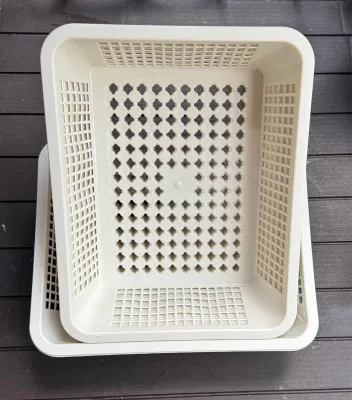
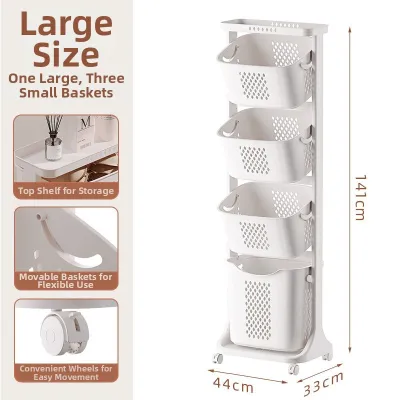
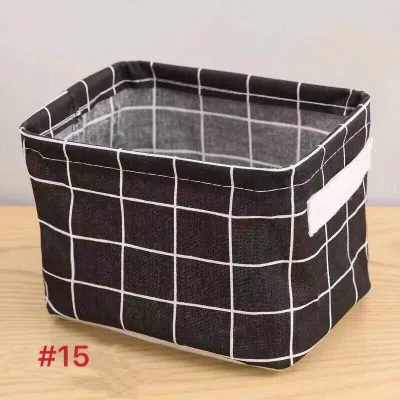
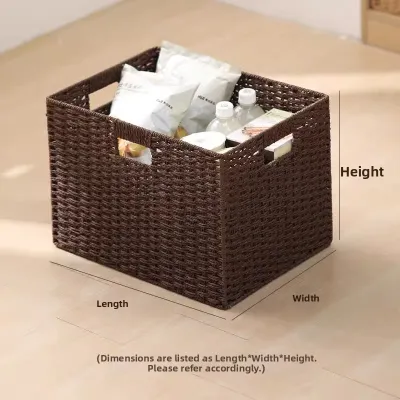
Prices are valid at publication and may change. Please refer to the product page for the latest price.
To complete your preparation, gather essential packing supplies that complement your basket organizer storage. While baskets are highly functional, their open-weave or non-airtight designs require extra protection against dust and moisture, especially in humid tropical climates. Collect clean packing paper, bubble wrap, zip-top plastic bags, and reusable fabric dividers. Having these materials on hand allows you to wrap delicate items individually and create protective barriers inside the baskets before loading begins.
Step-by-Step Packing Strategy by Room and Category
When you begin packing, the primary rule is to distribute weight evenly across each basket. Place the heaviest items at the bottom of the container to establish a low center of gravity, which prevents the basket from tipping over during transit. Be mindful of the manufacturer’s stated weight capacity; overloading a plastic or woven basket can warp its frame or cause the bottom to sag and break. If you do not have the exact weight limit, a good rule of thumb is to keep the total weight comfortable enough to lift with one hand without the basket flexing.

Fragile items require specialized packing techniques when placed inside baskets. Because many basket organizers feature open weaves, wire grids, or slatted sides, small items can easily slip through gaps or rub against rough interior surfaces. Line the bottom and sides of the basket with thick towels, bubble wrap, or clean cardboard sheets before packing. Wrap each fragile item individually in packing paper, and pack them snugly so they cannot slide or bump into one another when the moving vehicle encounters bumpy roads or sudden stops.
A highly effective strategy is to dedicate at least one basket organizer specifically for your moving-day essentials and important documents. This “first-night” basket should contain items you will need immediately upon arrival, such as toiletries, chargers, basic tools, a change of clothes, and critical paperwork like lease agreements or IDs. Keep this basket separate from the main moving pile, preferably in your personal vehicle, so it remains accessible at all times and does not get buried under heavy furniture in the moving truck.
Labeling and Categorizing for Efficient Unpacking
Clear identification is the secret to a stress-free unpacking process. Because baskets are often stacked or placed side-by-side in a moving truck, a single label on the top lid will quickly become hidden from view. To solve this, attach highly visible labels to at least two adjacent sides of each basket, or use hanging luggage tags tied securely to the handles. Write the destination room and a brief summary of the contents in bold, waterproof marker so you can identify what is inside at a glance from any angle.
Implementing a color-coded system can dramatically speed up the unloading process for you and your moving helpers. Assign a specific color to each room in your new home—for example, blue for the kitchen, green for the bathroom, and yellow for the master bedroom. Place matching colored tape or stickers on the basket labels. When the moving truck arrives, helpers can instantly direct each basket to its designated room without needing to ask you where every single item belongs.
For high-value, seasonal, or easily misplaced items, maintain a simple digital or paper inventory list. Number each basket clearly and write down a detailed list of its contents next to the corresponding number on your sheet. If you are searching for a specific kitchen utensil or a particular set of documents during the first week in your new home, you can consult your inventory list to find the exact basket number instead of rummaging through dozens of sealed containers.
Maximizing Space and Securing Baskets for Transport
Loading your basket organizers into the moving vehicle requires careful spatial planning to prevent crushing and shifting. Before stacking any baskets vertically, verify their material rigidity and lid design. Hard plastic bins with reinforced, interlocking lids are excellent for stacking, whereas open-top woven or fabric baskets will collapse under vertical pressure. Always place the heaviest, most rigid baskets on the vehicle floor and stack lighter, more flexible containers on top, ensuring the total height remains stable.
To maximize the space inside each basket and prevent internal movement, fill any remaining empty pockets with soft household items. Clean socks, hand towels, pillowcases, and t-shirts make excellent, eco-friendly packing fillers. Tucking these soft items into the gaps around harder objects prevents them from shifting during transit while simultaneously saving space in your clothing boxes. This dual-purpose packing method ensures every cubic inch of your basket organizer storage is utilized efficiently.
Once the baskets are arranged in the vehicle, secure them to prevent sliding during turns or sudden stops. If your moving truck or utility vehicle has tie-down points, use adjustable moving straps or bungee cords to anchor the stacks against the vehicle walls. Avoid pulling the straps so tightly that they deform the baskets, especially those made of flexible plastic or natural fibers. If straps are not available, wedge the baskets tightly between heavy, stable furniture pieces like mattresses or solid wood tables to keep them locked in place.
Unpacking and Repurposing Baskets in Your New Home
When you arrive at your new home, resist the urge to unpack everything at once. Focus on your priority baskets first, which typically include the kitchen essentials, bathroom toiletries, and bedroom bedding. Restoring these core functional areas early in the day ensures you can wash, sleep, and prepare a basic meal comfortably on your very first night, reducing the overall stress of the move. The remaining decorative or seasonal baskets can be unpacked gradually over the following days.
Before placing your baskets into their permanent spots, take the time to clean them thoroughly. Moving environments are often dusty, and tropical humidity can trap moisture inside woven fibers or plastic corners. Wipe down plastic and wire baskets with a damp cloth and mild soap, allowing them to dry completely in a well-ventilated area. For natural woven baskets, use a dry brush or vacuum attachment to remove dust, ensuring they are completely dry before filling them to prevent mold growth in your new closets.
Finally, evaluate the physical dimensions of your new shelves, cabinets, and closets before sliding the baskets into place. Even if the baskets fit perfectly in your old home, shelf heights and cabinet depths in your new space may differ. Measure the clearance of your new storage areas to ensure the baskets slide in and out smoothly without scraping the woodwork or bending the basket frames. If a basket does not fit its original purpose, repurpose it in another room where its dimensions are better suited, such as using a deep shelf basket as a floor organizer for shoes or toys.
Frequently Asked Questions (FAQ)
What items should never be packed in basket organizers during a move?
You should avoid packing unsealed liquids, household cleaners, or hazardous chemicals in basket organizers, as leaks can easily seep through gaps and ruin surrounding items or damage the basket material itself. Heavy appliances, dense book collections, or metal tools should also be excluded, as they can easily exceed the structural weight limits and tear the handles or crack the base of the basket. Additionally, highly fragile glassware, fine china, or sensitive electronics should not be packed in open-weave or flexible baskets; these items require rigid, fully enclosed cardboard or plastic boxes with specialized foam inserts to protect them from external impacts.
Can I stack basket organizers in the moving truck?
Yes, but only under specific conditions that prioritize structural safety. You must check the lid strength and material rigidity of each basket; only stack containers that feature flat, reinforced lids designed to bear weight. Match uniform basket sizes and shapes to create stable, interlocking columns that resist tipping when the vehicle is in motion. Never stack heavy loads on top of open-top baskets, flexible woven rattan, or decorative fabric organizers, as these lack the internal support frames necessary to prevent crushing, which could damage both the container and the items stored inside.

Community discussion
Share your experience or ask a question. Comments are reviewed before publication.