
Quick Answer: Optimizing Wardrobe Drawer Placement
To maximize wardrobe storage efficiency, place cabinet drawers according to access frequency and physical ergonomics. The golden rule is to position daily-use drawers between waist and chest height—the ergonomic “golden zone”—while reserving the lowest sections for heavy, bulky items and the highest sections for shallow accessory trays. Matching the depth of each cabinet drawer to specific clothing types, such as shallow builds for undergarments and deeper builds for folded denim, prevents wasted vertical space. This strategic zoning ensures that your most-needed items remain effortlessly accessible, while seasonal or bulky storage is tucked away safely, maintaining a balanced, highly functional wardrobe layout.
Assess Your Wardrobe Space and Storage Needs
Before purchasing or installing any cabinet drawer system, a thorough assessment of your physical wardrobe space and personal inventory is essential. Begin by measuring the exact internal width, depth, and height of your wardrobe carcass. Pay close attention to structural obstacles such as door hinges, sliding door tracks, and protruding frames, which can easily block a drawer from extending fully.

Next, categorize your clothing inventory to determine the volume of storage required. In tropical climates like the Philippines, wardrobes typically hold a high volume of lightweight cottons, activewear, and linens, alongside occasional heavier items like denim or travel jackets. Group these items by folding style and frequency of use. This categorization reveals exactly how many shallow drawers you need for small items versus deep drawers for bulkier pieces.
Products mentioned in this guide
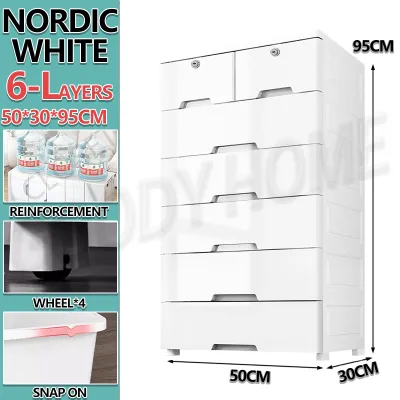
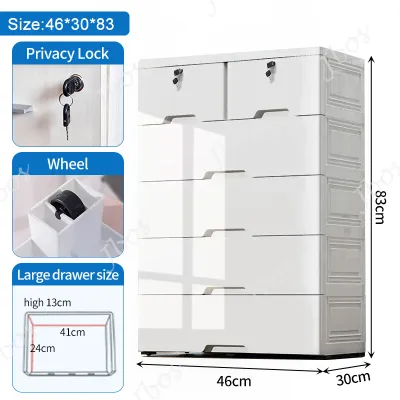
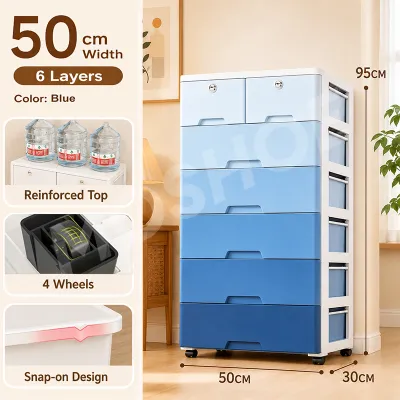
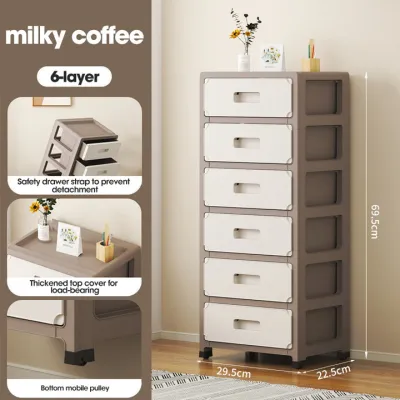

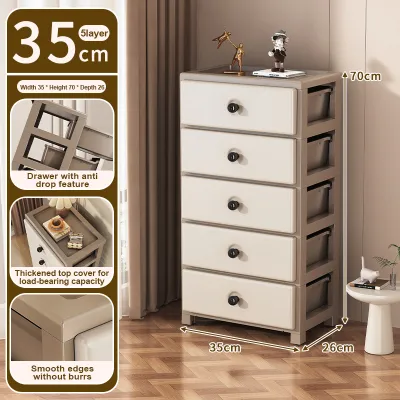
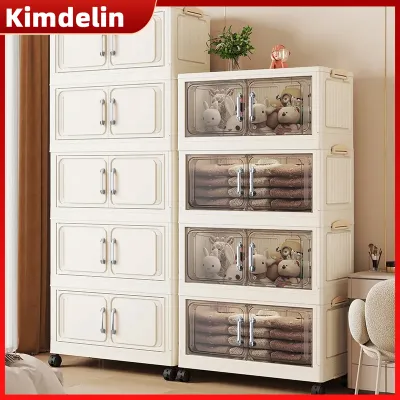
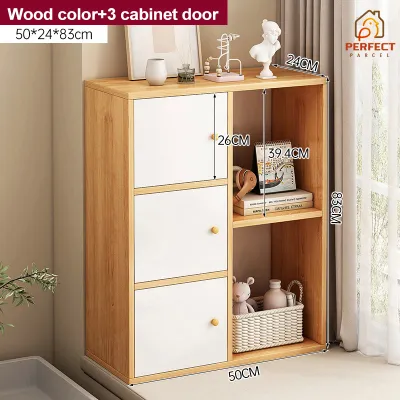
Prices are valid at publication and may change. Please refer to the product page for the latest price.
Finally, look for underutilized areas within your current setup. The bottom third of a wardrobe often becomes a cluttered pile of shoes or bags. Identifying these dead spaces allows you to plan a structured cabinet drawer bank that utilizes every centimeter of vertical space, turning chaotic corners into organized, dust-free storage zones.
Strategic Positioning for Cabinet Drawers
Organizing your wardrobe requires a strategic approach to vertical zoning. By dividing your wardrobe into three distinct vertical zones—lower, middle, and upper—you can assign each cabinet drawer a specific role based on human ergonomics and usage frequency. This systematic placement minimizes unnecessary bending, stretching, and searching, creating a seamless daily routine. It also ensures that the physical weight of your storage is distributed safely, protecting both your back and the structural integrity of your furniture.
Lower Zone: Heavy and Bulky Storage
The lowest section of your wardrobe, extending from the floor up to approximately knee height, is the ideal location for deep, heavy-duty cabinet drawers. Positioning heavy items like folded denim, thick bed linens, or travel gear near the base lowers the wardrobe’s center of gravity. This structural placement enhances overall stability and helps prevent the unit from tipping forward when drawers are pulled open.
When planning drawers in this lower zone, always verify the clearance requirements. Ensure the drawer fronts can extend fully without scraping against baseboards, thick bedroom rugs, or the bottom hinges of wardrobe doors. Because accessing this zone requires bending down, reserve these deep drawers for items you do not need to reach multiple times a day, keeping your daily routine comfortable and efficient.
Middle Zone: Daily Essentials and Ergonomic Access
The middle zone, spanning from waist to chest height, is the most valuable real estate in your wardrobe. This is the ergonomic “golden zone” where you should position standard-depth cabinet drawers for your most frequently accessed daily essentials. Placing items like t-shirts, undergarments, socks, and activewear at this height eliminates the need to bend or stretch, streamlining your morning routine.
To maximize the efficiency of this zone, incorporate internal dividers or shallow inserts. These tools keep lightweight tropical clothing neatly organized and prevent items from shifting or unfolding when the drawer is opened. Additionally, balance this drawer bank with adjacent hanging spaces. Keeping your daily folded wear directly below or next to your hanging shirts creates a logical, visually clean workflow that makes selecting an outfit effortless.
Upper Zone: Shallow Drawers for Accessories
The upper zone, situated above chest height, is best reserved for lightweight items and specialized accessories. Installing shallow cabinet drawers or pull-out trays just below your high hanging rods or top shelves allows you to utilize vertical space that might otherwise go to waste. This elevated position keeps small, delicate items highly visible and within arm’s reach.
Use this zone to store jewelry, watches, sunglasses, ties, or belts in compartmentalized layouts. Dedicated dividers prevent delicate chains from tangling and keep accessories organized. It is crucial to avoid storing heavy items in these upper drawers. Placing heavy loads high up strains the wardrobe carcass, compromises the slide mechanisms, and creates a safety hazard if a heavy drawer is pulled out too far at eye level.
Configuring Drawer Dimensions and Internal Layouts
A highly efficient wardrobe relies on matching the physical dimensions of each cabinet drawer to the specific items it is meant to hold. Standardizing all drawers to a single depth often leads to wasted vertical space or overstuffed compartments. For instance, shallow drawers with an internal height of 10 to 12 centimeters are perfect for socks, underwear, and accessories, as they prevent items from being buried under multiple layers. Medium drawers of 15 to 20 centimeters suit folded t-shirts and activewear, while deep drawers of 25 to 30 centimeters are necessary for bulky items like denim, sweaters, or spare bed sheets.
To prevent your drawers from becoming chaotic piles, plan internal layouts with adjustable dividers or modular trays. In humid environments, organizing items using the “file-folding” method—where clothes are folded and stood upright rather than stacked vertically—improves air circulation and makes every garment instantly visible. This method works best when supported by sturdy internal dividers that keep the rows upright even when some items are removed.
Before finalizing your dimensions, always check the manufacturer specifications for your chosen cabinet drawer slides. Pay close attention to the rated weight capacity and the extension type. Full-extension slides are highly recommended because they allow the drawer to pull out completely, giving you full access to the very back. Ensure the slide hardware is robust enough to handle the anticipated load, especially for lower-zone drawers carrying heavy textiles.
Step-by-Step Guide to Planning Your Drawer Layout
- Step 1: Sketch the Wardrobe Interior
Start by drawing a detailed, to-scale sketch of your wardrobe's interior frame. Mark the exact locations of all fixed elements, including structural partitions, shelf supports, door hinges, and any integrated lighting fixtures or wiring channels. Note down the precise internal width, depth, and height of each section. - Step 2: Map Out the Drawer Banks
On your sketch, begin positioning your cabinet drawer banks. Ensure that the placement of these drawers does not interfere with the swing of wardrobe doors or the path of sliding doors. If you have hinged doors, the drawers must be set back or designed with filler panels so they do not hit the door or the hinges when pulled out. Also, verify that the drawers do not block access to lower hanging rods or cover up built-in light strips. - Step 3: Select Slide Hardware and Verify Clearances
Choose the appropriate drawer slide hardware, such as side-mounted, under-mount, or soft-close runners. Carefully review the manufacturer's installation guides to determine the exact side clearance required for the slides—typically around 12.7 millimeters on each side for standard ball-bearing slides. Subtract these clearances from your wardrobe's internal width to find the exact maximum outer width of your drawer boxes. - Step 4: Review the Plan Against Your Inventory
Finally, cross-reference your drafted layout with your categorized clothing inventory. Count your folded items and estimate if the planned drawer volume is sufficient. Ensure that every category, from daily activewear to seasonal accessories, has a designated home. Adjust the heights or depths of your planned drawers on paper before committing to any physical cutting or purchasing, saving you time and preventing costly mistakes.
Verifying and Adjusting Your Wardrobe Layout
Once your cabinet drawer system is installed, a thorough verification process ensures long-term durability and smooth operation. Begin by testing the full extension of every drawer. Pull them out completely to confirm they slide smoothly without sticking or catching, and verify that there is adequate aisle space in your bedroom to walk around the fully extended drawers comfortably.
Next, inspect the alignment of the drawer fronts. They should align perfectly with each other and maintain a consistent gap, ensuring they do not rub against adjacent panels, wardrobe doors, or face frames. If you notice any friction, adjust the mounting screws on the slide runners or the drawer front adjustment screws.
Finally, place your organized clothing inside and observe how the system handles the weight. Look closely for any signs of sagging in the drawer bottoms or binding in the tracks. Adjust your internal dividers to secure the items, and recheck the drawer movement after a few days of regular use to ensure the hardware remains securely anchored and perfectly aligned.
Frequently Asked Questions (FAQ)
Can I add cabinet drawers to an existing built-in wardrobe?
Yes, you can retrofit cabinet drawers into an existing built-in wardrobe, provided you perform a few structural checks first. Begin by verifying the strength of the internal frame and side panels to ensure they can support the additional weight of the drawers and slide hardware. Measure the internal width of the wardrobe opening precisely at multiple points to account for any warping or unevenness. You will need to select drawer slides that match these dimensions and potentially install filler strips along the sides to clear door hinges or sliding door overlaps. If the wardrobe carcass requires significant structural reinforcement or modification, consulting a qualified carpenter is highly recommended to ensure a secure and professional installation.
What is the standard depth for a wardrobe cabinet drawer?
While standard wardrobe depths typically range from 55 to 60 centimeters to accommodate hanging clothes, the depth of an individual cabinet drawer is usually slightly shallower. Standard drawer depths generally range from 40 to 50 centimeters. When planning, always account for the thickness of the drawer front, the back panel, and the clearance required for the slide mechanism at the rear of the cabinet. Because of these structural components, the actual usable internal depth of a drawer is always less than the external depth of the wardrobe carcass. Always check the manufacturer’s specifications for both the drawer box and the slide hardware to ensure a perfect fit that allows your folded garments to lie flat without being pinched.

Community discussion
Share your experience or ask a question. Comments are reviewed before publication.