
Planning the internal layout of a wardobe cabinet before making a purchase is the single most effective way to ensure your bedroom remains organized, clutter-free, and highly functional. Many homeowners make the mistake of choosing a wardrobe solely based on its external aesthetic or overall dimensions, only to realize later that the interior configuration does not match their personal wardrobe. A mismatch between your storage habits and the cabinet’s layout leads to wasted vertical space, cramped garments, and daily frustration.
By taking the time to audit your clothing inventory and map out a tailored spatial plan, you can select a storage system that accommodates every item perfectly. This proactive approach not only saves you from buying unnecessary storage accessories later but also ensures your furniture investment stands the test of time.
Assess Your Clothing Inventory and Storage Needs
To design a highly efficient internal layout, you must first understand exactly what you need to store. Begin by conducting a thorough audit of your current wardrobe, grouping your belongings into distinct categories. Separate your items into long hanging garments like dresses, jumpsuits, and long coats; short hanging garments such as shirts, blouses, and trousers; folded items like t-shirts, knitwear, and activewear; and smaller accessories including underwear, socks, belts, and jewelry.
Products mentioned in this guide
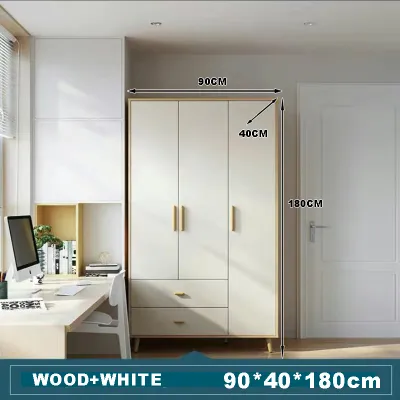
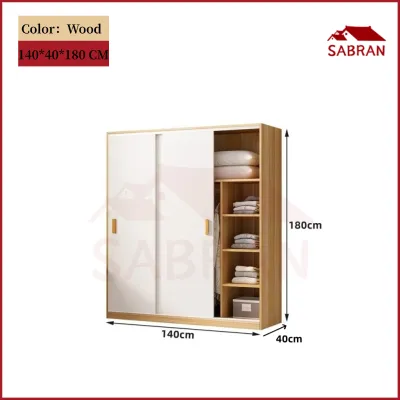
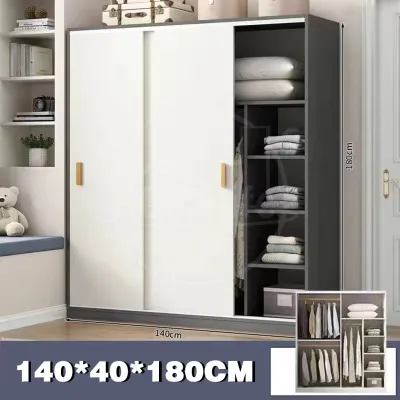
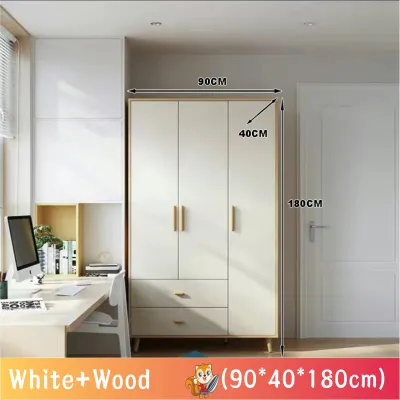
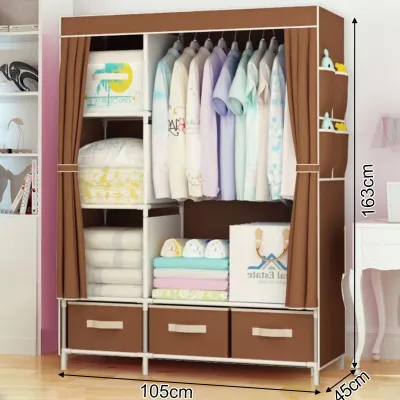
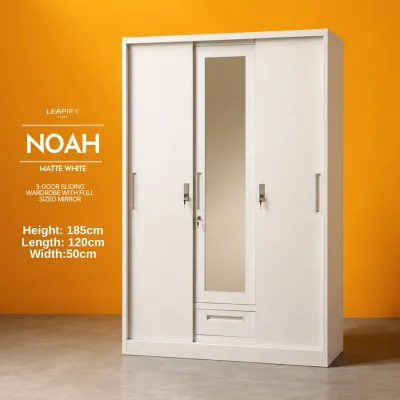
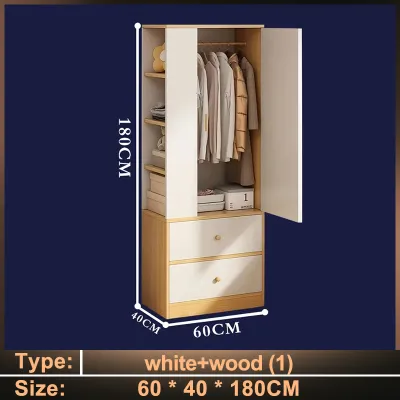
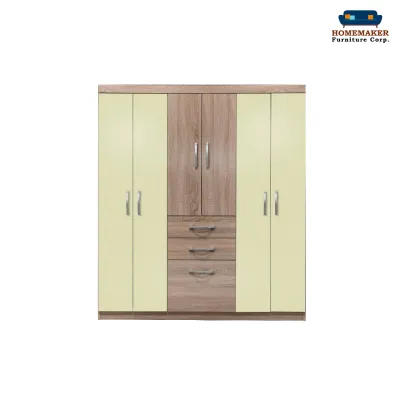
Prices are valid at publication and may change. Please refer to the product page for the latest price.
Do not forget to account for bulky, non-clothing items that often end up in bedroom storage, such as extra bed linens, pillows, towels, or travel luggage. If these items do not have a dedicated home, they will inevitably crowd your clothing shelves, disrupting your organization system.
As you categorize your items, consider your seasonal rotation and anticipate near-future lifestyle changes. In a tropical climate, your daily wear likely consists of lightweight cottons and linens, while heavier jackets or formal suits are reserved for travel or special occasions. If you anticipate a career change that requires a different dress code, or if your family is growing, factor these shifts into your spatial requirements. This forward-looking audit ensures you do not buy a cabinet dominated by fixed shelves when your actual daily routine demands a high ratio of hanging rods.
Before finalizing your inventory counts, take the opportunity to declutter. Discarding, donating, or recycling garments you have not worn in the past year prevents you from designing and paying for unnecessary storage space. Planning a layout around clutter only leads to a larger, more expensive cabinet that crowds your bedroom. Once you have a clean, realistic count of the items you actually wear and store, you can confidently translate these numbers into physical cabinet dimensions.
Calculate the Optimal Ratio of Hanging Space, Shelves, and Drawers for Your Wardobe Cabinet
Once you have a clear picture of your inventory, you can begin translating these categories into specific spatial allocations and standard internal dimensions. When shopping for a wardobe cabinet, understanding standard height and depth requirements is crucial for maximizing usability.

- Hanging Rods: Single hanging sections for long dresses, coats, or trousers hung vertically require a continuous height of 120 to 160 centimeters. Double hanging sections, which stack two rods vertically for shirts, blouses, and folded trousers, require approximately 90 to 105 centimeters of vertical clearance per rod.
- Shelves: Folded clothes are best accommodated on shelves spaced 25 to 35 centimeters apart. If shelves are spaced any higher, stacks of clothing tend to topple over, creating visual clutter and making it difficult to retrieve items from the bottom.
- Drawers: Drawers are highly efficient for smaller items. Shallow drawers with a depth of 10 to 15 centimeters are ideal for socks, underwear, and accessories, while deeper drawers of 20 to 30 centimeters work best for bulkier knits, sportswear, or jeans.
To calculate the exact ratio of these components, map your audited inventory to these dimensions. For instance, if you own 40 shirts and blouses, and each hung item occupies roughly 3 centimeters of rod width, you will need approximately 120 centimeters of short hanging rod space. If your collection consists mostly of folded tees and shorts, prioritize a multi-shelf column or a stack of deep drawers over extensive hanging rods.
Always verify the manufacturer’s internal dimension specifications rather than relying solely on external cabinet measurements. External dimensions include the thickness of the side panels (typically 15 to 18 millimeters), the backboard clearance, and the space occupied by sliding door tracks or door hinges. A cabinet with an external depth of 60 centimeters might only offer 55 centimeters of usable internal depth, which directly impacts how your hangers fit inside.
Additionally, allocate dedicated space for non-clothing essentials. If you plan to store documents, valuable jewelry, or small electronics in your bedroom, integrate a lockable drawer or a dedicated felt-lined jewelry tray into your layout plan. This keeps your personal items secure and organized without encroaching on your clothing storage.
Organize Zones for Accessibility and Daily Workflow
An efficient wardrobe layout relies heavily on ergonomics. By dividing your cabinet vertically into distinct zones based on accessibility, you can streamline your morning routine and minimize daily physical strain.
- The Prime Zone: This is the highly accessible area located between eye and waist level, roughly 70 to 150 centimeters from the floor. Reserve this zone for your most frequently worn items, such as daily workwear, casual shirts, and frequently used accessories. Placing these items in the prime zone ensures you can see and reach them instantly without bending down or stretching.
- The Upper Zone: Located above 150 to 180 centimeters, this area requires reaching or using a step stool. It is the ideal location for lightweight, seasonal, or rarely used items. Store your travel bags, extra bedding, off-season garments, or keepsake boxes here to keep them out of your daily workspace.
- The Lower Zone: Positioned below 70 centimeters, this zone requires bending down. Use this space for heavier items, shoes, laundry hampers, or deep drawers containing durable garments like denim or activewear.
If you share the wardrobe cabinet with a partner, organize the layout to establish clear physical boundaries. Grouping items by user or by outfit type (such as separating formal business attire from casual weekend wear) prevents morning bottlenecks and helps maintain order over time.
Before finalizing your layout, perform a practical clearance check. Ensure that internal drawers can slide out fully without colliding with the wardrobe’s door frames, hinges, or sliding door tracks. Furthermore, verify that opening the wardrobe doors or fully extending the drawers will not block pathways or strike adjacent bedroom furniture, such as your bedside tables or the edge of the bed frame.
Adapt the Layout for Humid and Tropical Conditions
In the Philippines, the tropical climate presents unique challenges for wardrobe storage. High relative humidity levels can lead to moisture buildup, which fosters mold, mildew, and musty odors on fabrics. To protect your clothing investment, your internal cabinet layout must actively promote airflow and moisture management.
Avoid the temptation to pack shelves and hanging rods to their absolute capacity. Overstuffed compartments restrict air movement, trapping humid air and creating microclimates where mold thrives. Aim to leave at least 2 to 3 centimeters of breathing room between hanging garments, and keep folded clothing stacks loose and well-ventilated.
Incorporate dedicated spaces within your layout for moisture-control solutions. Designate a specific shelf corner or drawer compartment to hold moisture-absorbing canisters, silica gel packets, or hanging dehumidifier bags. If your budget permits, leaving a small space with an electrical grommet can allow you to run a compact, low-voltage wardrobe dehumidifier.
When choosing materials, do not assume that any wood or composite material is inherently moisture-proof. Always check the manufacturer’s care instructions and material labels regarding humidity resistance. Plywood and solid wood with high-quality, moisture-resistant sealants generally perform better in humid environments than untreated particleboard, which can swell and degrade when exposed to moisture.
To further combat humidity, consider choosing ventilated cabinet doors, such as slatted or louvered designs, which allow continuous air exchange. When positioning your wardrobe cabinet in the bedroom, leave a gap of at least 5 centimeters between the back of the cabinet and the wall to facilitate cross-ventilation and prevent dampness from transferring from the wall to your furniture.
Verify Physical Clearances and Installation Requirements
A perfectly planned internal layout is only useful if the physical cabinet fits harmoniously within your bedroom and can be safely installed. Before making your purchase, take precise measurements of your designated floor space and ceiling height. Compare these measurements against the wardrobe’s external dimensions, keeping in mind that sliding door models require extra depth for their tracks, while hinged doors require a clear swing radius of at least 60 to 75 centimeters in front of the cabinet.
Pay close attention to the structural specifications of the wardrobe. Verify the maximum weight capacity of the shelves and hanging rods from the manufacturer’s product details. If you plan to store heavy items like winter coats, leather bags, or a large collection of denim, ensure the hardware and support brackets are rated to handle the load without sagging or failing.
For safety and stability, plan to anchor your wardrobe cabinet securely to the wall. Tall, heavy furniture pieces present a significant tip-over hazard, especially when multiple drawers are pulled out simultaneously or during seismic activity. Check if the manufacturer includes wall-anchoring hardware and verify that your bedroom wall material (such as concrete, hollow block, or drywall) can support the anchoring system.
Finally, map out the delivery and assembly pathway. Measure the width and height of your doorways, hallway turns, stairwells, and elevator cabins to guarantee that the flat-packed panels or fully assembled cabinet can reach your bedroom. If the wardrobe requires professional assembly, ensure you have sufficient floor clearance in the bedroom to lay out the panels and complete the installation safely.
Frequently Asked Questions (FAQ)
What is the standard depth for a wardrobe cabinet to accommodate hangers?
The standard external depth for a wardrobe cabinet is typically 60 centimeters. This depth ensures that standard adult-sized clothes hangers, which measure around 40 to 45 centimeters wide, can hang freely without the garments rubbing against the back panel or getting crushed by closing doors. When reviewing product specifications, always verify the internal depth, as sliding door tracks or thick front panels can reduce the usable interior depth to 55 centimeters or less.
Is it better to choose a wardrobe with adjustable shelves or fixed compartments?
The choice depends on your need for flexibility versus structural stability. Adjustable shelves feature pre-drilled peg holes, allowing you to reposition the shelves as your storage needs evolve, which is ideal if your clothing inventory changes frequently. Fixed compartments, on the other hand, are secured directly to the cabinet frame, offering superior structural stability and a higher weight capacity. For the best of both worlds, look for a wardrobe cabinet that utilizes fixed shelves for the main structural divisions and adjustable shelves for the smaller individual compartments.

Community discussion
Share your experience or ask a question. Comments are reviewed before publication.