
Planning the internal storage layout of your kabinit ng damit requires a clear understanding of your personal wardrobe habits, the types of garments you own, and the physical limits of your bedroom space. A successful layout balances hanging rods for wrinkle-prone items, shelves for folded knits, and drawers for smaller accessories. By matching your storage components to your actual clothing inventory, you prevent wasted vertical space, reduce clutter, and protect your clothes from damage. Taking the time to measure your garments and map out their placement ensures that your wardrobe remains functional, organized, and easy to navigate every single day.
Assess Your Clothing Collection and Storage Needs
Before purchasing any wardrobe organizers or finalizing a closet design, you must conduct a thorough audit of your current clothing collection. Begin by sorting your garments into distinct categories based on how they are best stored: long hanging items, short hanging items, folded clothing, and small accessories. Long hanging items include maxi dresses, long coats, and formal wear, while short hanging items consist of collared shirts, blouses, skirts, and trousers folded over hangers. Folded clothing typically covers t-shirts, denim, activewear, and knitwear, whereas accessories encompass undergarments, socks, belts, and jewelry.
Once your clothes are categorized, estimate the physical volume of each group to determine the linear hanging space you will need. You can do this by gathering your hanging items together and measuring the total width of the bundle on a rack. In tropical climates like the Philippines, lightweight fabrics such as linen, thin cotton, and rayon dominate daily wear, meaning you will likely require more short-hanging space for shirts and blouses and less heavy-duty storage for thick winter coats. Additionally, identify any delicate fabrics or specialty items, such as embroidered barongs or silk dresses, that require extra breathing room to prevent snagging, fabric crushing, or moisture buildup in humid weather.
Products mentioned in this guide
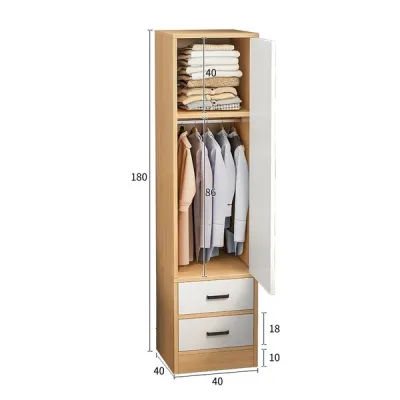
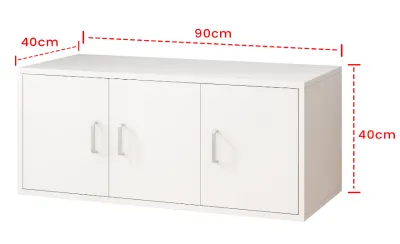
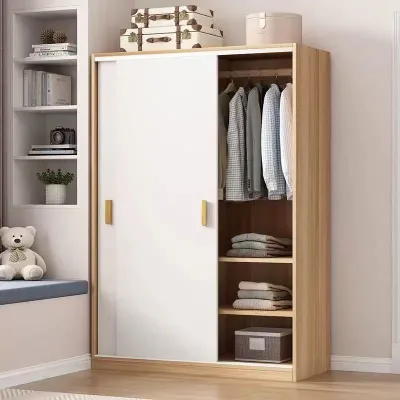
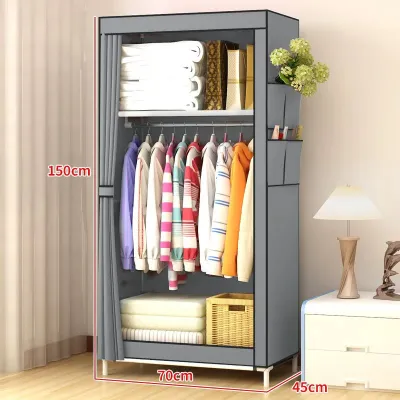
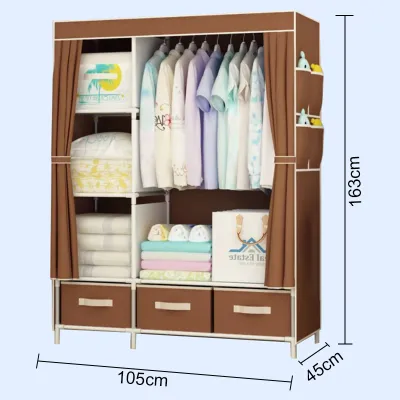
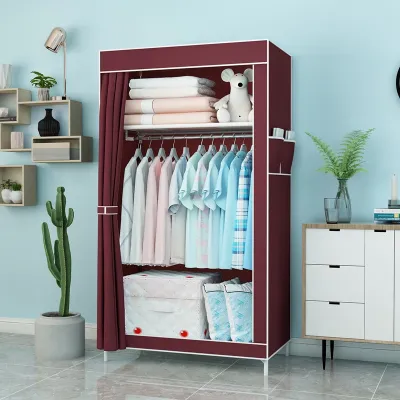
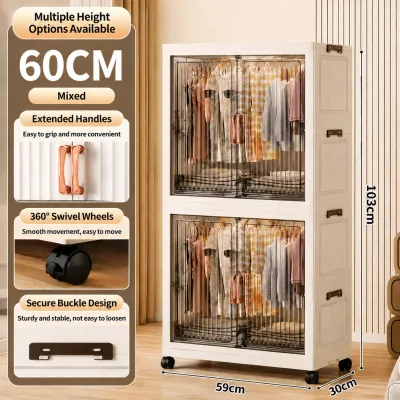
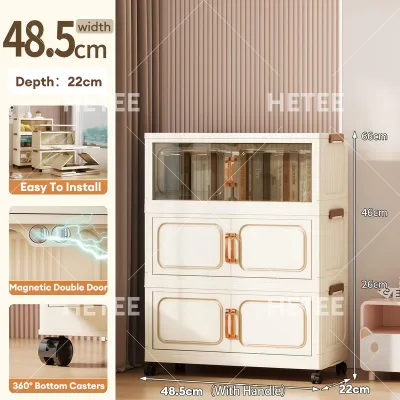
Prices are valid at publication and may change. Please refer to the product page for the latest price.
Understand Standard Wardrobe Dimensions and Clearances
To ensure your planned layout is functional and buildable, you must align your design with standard wardrobe dimensions and ergonomic clearances. A standard kabinit ng damit requires an internal depth of at least 55 to 60 centimeters. This depth allows standard clothes hangers to hang straight without forcing the wardrobe doors to press against your garments, which can cause wrinkling or damage to sleeves. If you are working with a shallower wardrobe frame, you may need to consider pull-out valet rods that hang garments facing forward rather than sideways.

Vertical clearance is equally critical to prevent your clothes from dragging on the bottom of the wardrobe or shelf surfaces. Long hanging sections generally require a vertical clearance of 120 to 150 centimeters to accommodate dresses and long coats comfortably. Short hanging sections for shirts, blouses, and folded trousers require a minimum vertical clearance of 90 to 105 centimeters. Before finalizing your layout, measure your room’s ceiling height, account for any baseboards or crown molding, and ensure there is sufficient clearance for hinged doors to swing open fully or for sliding doors to glide smoothly without obstructing nearby bedroom furniture.
Allocate Hanging Rods, Shelves, and Drawers by Garment Type
A highly functional wardrobe relies on a systematic allocation of hanging rods, shelves, and drawers to match the structural needs of different garment types. Hanging rods keep wrinkle-prone items crisp and visible, while flat shelves support heavy items that might stretch out of shape on a hanger. Drawers provide concealed, dust-free storage for personal items and smaller accessories. Balancing these three components based on your initial clothing audit prevents overcrowding and ensures that every item has a dedicated, easily accessible home.
Configuring Hanging Zones for Wrinkle-Prone Garments
Maximizing your vertical space starts with configuring your hanging zones efficiently using single and double hanging rods. A single high rod is essential for long garments like dresses, jumpsuits, or traditional formal wear, providing the necessary clearance to keep hems off the floor. For shorter garments such as t-shirts, button-down shirts, and skirts, installing double-tier rods—one positioned high and another positioned directly below it—effectively doubles your hanging capacity within the same floor footprint.
If your wardrobe frame is exceptionally tall, you can install pull-down wardrobe rods that swing down to a reachable height, making use of otherwise inaccessible upper space. When arranging your hanging items, avoid packing hangers too tightly together. Leaving a few centimeters of space between garments allows air to circulate freely, which is crucial in warm, humid climates to prevent musty odors, mildew, and fabric deterioration.
Planning Shelves and Drawers for Folded Items and Accessories
Horizontal storage components like shelves and drawers are ideal for items that do not require hanging, such as denim, activewear, and delicate accessories. When planning shelves, opt for adjustable tracks rather than fixed dividers so you can customize the height of each compartment as your storage needs change. Thin stacks of folded t-shirts or activewear only require a shelf height of 25 to 30 centimeters, whereas bulkier items like bedding, storage bins, or handbags may need 40 centimeters of vertical space.
Drawers are the best solution for storing undergarments, socks, swimwear, and jewelry, keeping them organized and out of sight. Incorporating shallow drawers with adjustable internal dividers allows you to categorize small items clearly, preventing them from becoming a cluttered pile. Before loading your shelves and drawers with heavy items like denim or storage boxes, always check the manufacturer’s specified weight limits to prevent the shelves from bowing or the drawer slides from failing under pressure.
Arrange the Zones for Daily Ergonomics and Accessibility
To optimize your daily routine, arrange your wardrobe components based on physical comfort and ease of access. Divide your kabinit ng damit into three distinct vertical zones: the prime reach zone, the lower zone, and the upper zone. The prime reach zone, which extends from your thighs to your eye level (approximately 60 to 150 centimeters from the floor), should be reserved for your most frequently worn daily items, such as work attire, casual shirts, and daily-use accessories. Placing these items at a comfortable height minimizes bending and stretching during busy mornings.
The lower zone of the wardrobe is ideal for heavier items, shoes, or integrated laundry hampers that are accessed less frequently. The upper zone, which typically requires a step stool to reach, should be used for seasonal clothing, travel bags, extra bedding, or items you only need occasionally. When positioning drawers, ensure they are placed below chest level so you can easily see inside them, and verify that there is enough floor space in front of the wardrobe for the drawers to extend fully without hitting your bed or other bedroom furniture.
Verify Your Layout and Adjust for Future Changes
Before purchasing your wardrobe components or starting the installation process, verify your finalized layout against the physical constraints of your room and the wardrobe frame. Double-check that the total internal dimensions of the planned configuration match the manufacturer’s specifications for the wardrobe shell. Ensure that the system you choose features adjustable shelving holes and modular rod brackets, allowing you to adapt the layout as your clothing collection grows or changes over time.
Finally, consult the product labels and manufacturer instructions to confirm the structural limits and load-bearing capacities of all rods, shelves, and drawer runners. Properly anchoring your wardrobe to the wall is also essential, especially for tall or heavy units, to prevent tip-over accidents and ensure long-term stability. Taking these final verification steps guarantees a safe, durable, and highly functional storage system that serves your needs for years to come.
Frequently Asked Questions (FAQ)
How do I handle a sloped ceiling or awkward alcove for my wardrobe?
When dealing with non-standard architectural features like sloped ceilings or narrow alcoves, modular and adjustable shelving systems are highly effective. You can install custom-cut shelves that follow the angle of the slope, utilizing the lower clearance areas for folded items, shoes, or storage bins. Place your hanging rods in the highest sections of the alcove where vertical clearance is greatest to ensure your clothes hang freely. Utilizing open bins or shallow, pull-out baskets in tight corners also helps maximize storage without requiring the clearance needed for standard cabinet doors.
What is the best way to store seasonal clothes in a compact wardrobe?
To store seasonal clothes or occasional travel wear in a compact kabinit ng damit, utilize space-saving techniques that do not disrupt your daily layout. Compress bulky winter jackets or extra bedding in vacuum-sealed storage bags and place them on the very top shelves or in under-bed storage containers. If your wardrobe system is fully modular, you can easily adjust shelf heights or swap hanging rod positions twice a year to bring current-season clothes to the prime reach zone while moving off-season items to the less accessible upper or lower zones.

Community discussion
Share your experience or ask a question. Comments are reviewed before publication.