
Maximizing floor space in a compact condominium requires a strategic approach to furniture layout, where every square meter counts. A folding cabinet offers an adaptable solution, serving as a compact storage unit by day and expanding into a functional workspace, dining table, or utility hub when needed. To unlock its full potential, you must balance its physical footprint with the natural flow of your living space, ensuring that its transition from folded to fully open does not disrupt your daily routines.
By carefully planning your layout, understanding clearance zones, and configuring the interior storage to match your daily habits, you can transform a single piece of furniture into a multi-functional asset. This guide outlines the essential steps to position, organize, and maintain your folding cabinet to achieve ultimate spatial efficiency in your condo.
Assess Your Condo Layout and Clearance Requirements
Before purchasing or positioning your folding cabinet, you must establish its exact physical boundaries. This begins with obtaining the manufacturer’s specifications for both the fully closed and fully expanded states. It is easy to overlook the secondary clearance zones, such as the space required to swing open cabinet doors, pull out internal drawers, or pull up a chair if the cabinet features an integrated desk. Measure these dynamic zones carefully and mark them on your floor using painter’s tape to visualize how much physical space is consumed during active use.
Products mentioned in this guide
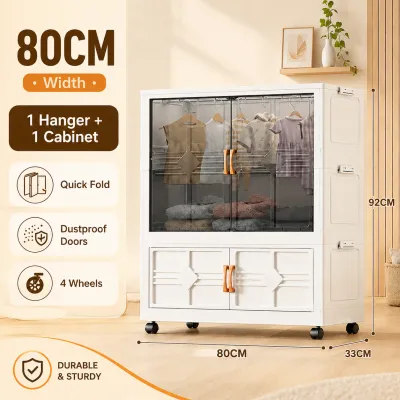
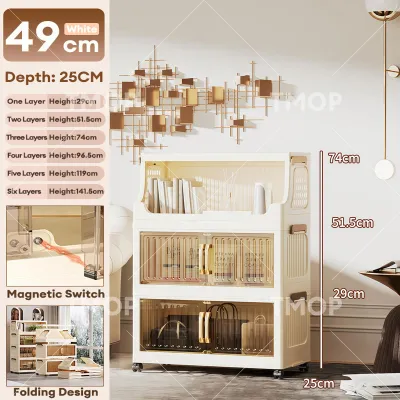
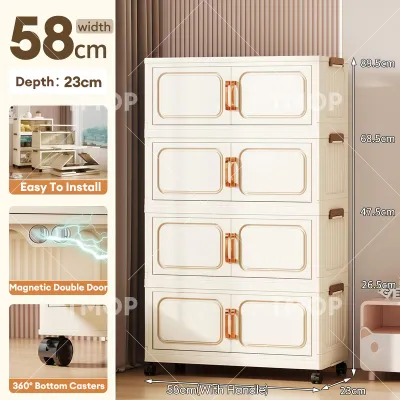

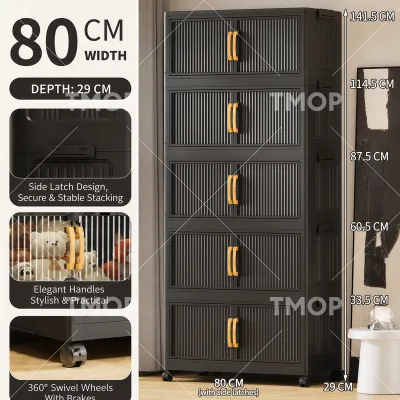
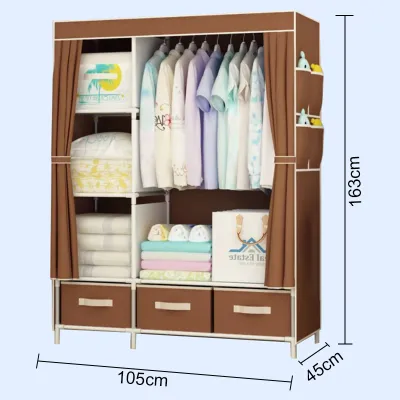

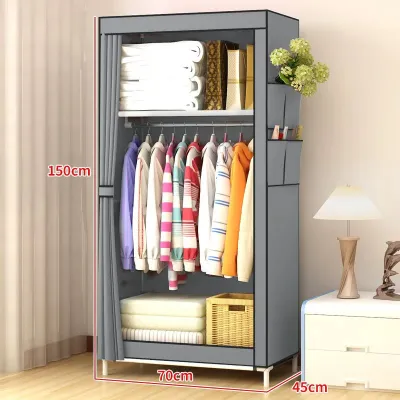
Prices are valid at publication and may change. Please refer to the product page for the latest price.
Logistical access is another critical factor that is frequently forgotten until delivery day. Condominium living often involves navigating tight service elevators, narrow stairwells, and sharp turns in common corridors. Verify the packaged dimensions of the cabinet against the clearance heights and widths of your building’s entry points. If the unit arrives pre-assembled, ensure it can clear your front door frame and any internal hallways without damaging the walls or the furniture itself.
Analyzing your condo’s traffic patterns helps identify the most efficient placement. Walk through your unit and observe the natural paths you take between the kitchen, bathroom, sleeping area, and balcony. Your folding cabinet should never obstruct these primary thoroughfares, even when fully extended. Instead, look for “dead zones”—such as shallow alcoves, the space behind structural pillars, or underutilized corners—where the cabinet can sit unobtrusively when folded.
Choose the Best Placement for Your Floor Plan
Placing your folding cabinet flush against a wall or tucked into a corner is the most reliable way to keep the center of your room open. However, achieving a truly flush fit requires a close inspection of your condo’s architectural details. Check the height and thickness of your baseboards, as prominent molding can create a gap between the cabinet and the wall, reducing stability. Additionally, locate your electrical outlets, light switches, and window sills; positioning a large cabinet directly over an outlet can block access to essential plugs or prevent the unit from sitting flat against the wall.

In studio apartments, a folding cabinet can serve a dual purpose as a functional room divider. This setup allows you to demarcate your sleeping area from your living or dining space without building permanent walls. When using a cabinet as a partition, verify that the back panel is fully finished and aesthetically pleasing from all angles. Stability is paramount here; because the cabinet is not supported by a wall, you must ensure its base is wide enough to prevent wobbling. Furthermore, position the divider so it does not block natural light from your windows or obstruct the cross-ventilation essential for managing tropical humidity.
Positioning the cabinet adjacent to multi-functional zones maximizes its utility throughout the day. For instance, placing a folding cabinet near your entryway allows it to function as a slim console table and a drop-zone for keys, bags, and shoes. In the evening, the same unit can unfold into a dining surface or a temporary home office. Alternatively, placing it beside your bed allows it to act as a compact nightstand during the night, which can then expand into a spacious vanity or desk during the morning hours.
Configure the Interior and Surfaces for Daily Use
Proper internal organization is key to maintaining the stability and usability of a folding cabinet. Weight distribution should always favor the bottom of the unit. Place your heaviest items, such as books, files, or small appliances, on the lowest shelves or within the base compartments. This lowers the cabinet’s center of gravity, making it significantly less likely to tip over when you extend its folding leaves or open its upper doors.
To make daily transitions seamless, categorize your storage into dynamic and static zones. Dynamic storage refers to compartments that remain easily accessible even when the cabinet is completely folded down. Use these areas for items you reach for constantly, such as daily work documents, charging cables, or frequently used kitchenware. Static storage, located in the deeper or expandable sections of the cabinet, should be reserved for seasonal items, extra linens, or occasional-use gadgets that you only need when the cabinet is fully opened.
The top surface of your folding cabinet must be configured with its dual roles in mind. When folded, the surface might hold decorative items, a table lamp, or a tray for daily essentials. However, because you will need to clear or adjust these items to expand the cabinet, keep the surface styling minimalist. Choose lightweight, easily movable decor, and always check the manufacturer’s specified weight limits for both the fixed top and the extendable leaves to avoid overloading the hinges or support legs.
Verify Safety, Stability, and Floor Protection
Safety should be your primary concern when integrating flexible furniture into a compact home. Many folding cabinets, especially those that expand vertically or feature heavy drop-down desks, can become top-heavy or front-heavy during use. Consult the manufacturer’s assembly manual to determine if wall anchoring is required. If anchoring is recommended, use appropriate wall anchors suitable for your condo’s wall type—whether concrete, drywall, or brick—to prevent accidental tipping.
Regular maintenance of the cabinet’s moving parts ensures long-term reliability and safety. The hinges, locking pins, slides, and folding joints bear the brunt of daily transitions. Periodically inspect these hardware components to ensure they operate smoothly without catching or grinding. If you notice any resistance, check the manual for recommended lubrication or adjustment steps, and use a screwdriver to tighten any screws that may have loosened from repeated folding and unfolding.
Protecting your condo’s flooring is essential, particularly if you rent or have delicate hardwood or laminate floors. Heavy folding cabinets can easily scratch or dent surfaces when expanded or shifted. Apply heavy-duty felt pads or rubber protectors to the bottom of the cabinet’s legs or base. Additionally, because tropical climates often bring high humidity, monitor wooden or engineered wood cabinets for signs of swelling or warping. Ensure your condo has adequate ventilation or dehumidification to protect both the cabinet’s structural integrity and its smooth folding mechanisms.
Frequently Asked Questions (FAQ)
Can I use a folding cabinet as a permanent room divider in a studio condo?
Yes, a folding cabinet can work well as a room divider, provided you prioritize structural stability. Because it will stand freely in the room, choose a model with a wide, stable base or one designed specifically for double-sided use. Ensure the back of the cabinet is fully finished so it looks presentable from both sides. Most importantly, position the cabinet so it does not block primary walking paths, emergency exit routes, or natural airflow and light from your windows.
How do I prevent a folding cabinet from scratching my condo's flooring when moving it?
To protect your floors, always fold and lock the cabinet completely before attempting to move it. Never drag a fully loaded or partially expanded cabinet across the floor. Use high-quality felt pads on the bottom of static legs, or install soft, non-marking rubber casters if the unit is designed to be mobile. For heavier units, placing temporary furniture sliders under the base during relocation can prevent deep scratches on laminate, vinyl, or hardwood surfaces.

Community discussion
Share your experience or ask a question. Comments are reviewed before publication.