
Protecting a folding low table from moisture damage during the rainy season requires a proactive combination of material inspection, proper cleaning, protective sealants, and smart storage habits. In tropical climates where humidity levels soar and sudden downpours are common, moisture can quickly seep into joints and under surfaces. This dampness causes wood to warp, metal hinges to rust, and finishes to peel. By taking systematic steps to shield your furniture before and during the wet months, you can preserve its structural integrity and keep its folding mechanisms operating smoothly for years to come.
Assess Material Vulnerabilities and Check for Early Damage
Before the heavy rains begin, it is essential to understand how your folding low table reacts to moisture. Review the manufacturer labels, tags, or manuals to confirm the exact material composition of your table. Whether it is made of solid wood, engineered wood, metal, or plastic, each material has specific water-resistance limitations that dictate how it should be treated and stored.
Once you have identified the materials, conduct a thorough physical inspection of the table. Examine the folding hinges, joints, and underside panels closely. These areas are highly vulnerable because they often lack the thick protective finishes applied to the main tabletop. Look for early signs of rust on metal brackets, swelling or soft spots on engineered wood edges, peeling or bubbling varnish, and fine white or black mold growth.
Products mentioned in this guide
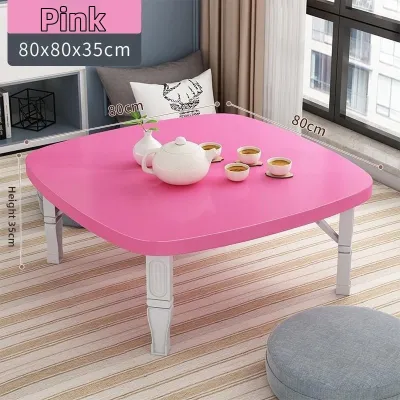
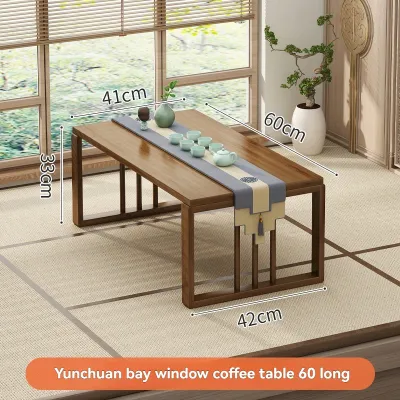
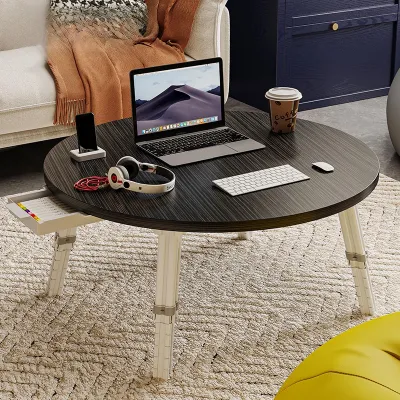
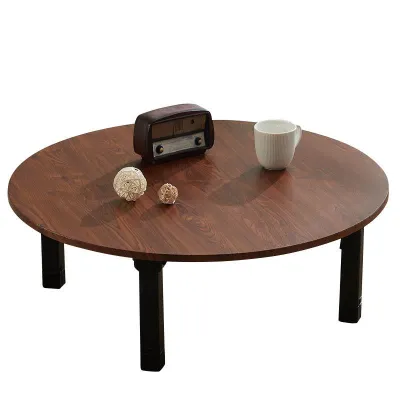
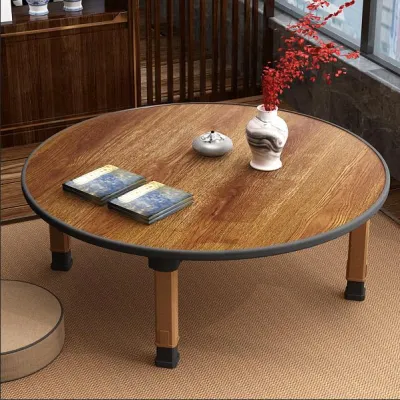
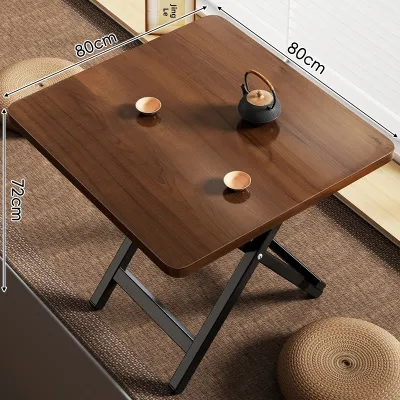
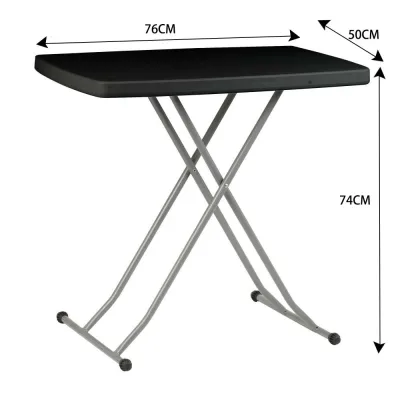
Prices are valid at publication and may change. Please refer to the product page for the latest price.
Finally, evaluate the condition of the current surface sealant. Pour a few drops of water onto the tabletop; if the water beads up cleanly, the sealant is still doing its job. If the water quickly soaks into the material or leaves a dark spot, the protective coating has worn thin and requires immediate reapplication before the high-humidity season sets in.
Clean and Dry the Surface Before the Rains Begin
Preparing your folding low table for the wet season starts with a deep clean. Dust, grease, and organic residue can trap moisture against the furniture surface, creating a perfect breeding ground for mold and mildew. Wipe down all surfaces, including the tiny crevices around the folding hinges and the undersides of the legs, using a slightly damp microfiber cloth and a mild, non-abrasive cleaner. Avoid harsh chemical cleaners that can strip away existing protective finishes.

After cleaning, the table must dry completely before you apply any protective treatments or store it away. Sealing a table that still holds moisture will trap the dampness inside, accelerating wood rot or metal corrosion. Allow the table to air-dry in a well-ventilated, shaded area. Avoid placing it in direct sunlight or near artificial heat sources, as rapid temperature changes can cause wood to warp or crack unevenly.
While the table is drying, take the opportunity to inspect the hardware. Check and tighten any loose screws, bolts, or brackets on the folding mechanism. Loose hardware creates tiny gaps where water can pool, leading to hidden rust and structural instability when the table is unfolded and loaded with items.
Apply Material-Specific Sealants and Use Breathable Covers
To shield your folding low table from high ambient humidity and accidental splashes, apply a protective coating tailored to its specific material. For solid wood tables, a high-quality furniture wax or a penetrating wood oil can restore the water-resistant barrier. If your table features metal legs or folding joints, apply a thin layer of rust inhibitor or multi-purpose lubricating oil to the moving parts to prevent oxidation. Always follow the manufacturer’s care instructions carefully when selecting and applying these products.
Apply the coatings evenly in thin layers, using a clean cloth or brush. It is crucial to allow the full curing time specified on the product label before you fold, stack, or use the table. Rushing this process can result in a sticky, incomplete finish that actually attracts dust and traps moisture.
When the table is set up but not in use, especially on a covered patio or near a window, protect it with a high-quality furniture cover. Choose a cover made of breathable, water-resistant fabric rather than a cheap, non-breathable plastic tarp. Plastic tarps trap rising condensation underneath, creating a damp greenhouse effect that promotes rapid mold growth and wood deterioration.
Adjust Placement and Daily Habits to Minimize Moisture Exposure
Where you place your folding low table during the rainy season plays a major role in its survival. Position the table away from open windows, exterior doors, or areas where rain drift can easily blow indoors. High indoor humidity also tends to accumulate in corners with poor air circulation, so keeping the table in an active, well-ventilated part of the room is ideal.
Another common source of moisture is the floor itself. Concrete, tile, and stone floors can hold and transmit moisture upward, especially in ground-level rooms or outdoor spaces. This moisture can wick directly up through the bottom of the table legs, causing them to swell, split, or rot. Elevate the table legs using moisture-resistant silicone pads, rubber coasters, or a raised synthetic rug to break this direct contact with damp floors.
Additionally, adjust your daily habits to minimize liquid contact. Wipe up accidental spills, condensation from cold drinks, or rainwater splashes immediately with a dry, absorbent cloth. Letting liquids pool on the surface, even for a short time, increases the risk of water seeping into the seams, edge banding, or folding joints where the protective sealant is thinnest.
Fold and Store Safely During Severe Weather
When severe wet weather or typhoons are forecasted, the best way to protect your folding low table is to fold it up and store it in a secure indoor space. However, you must ensure the table is completely dry before folding it. Folding a damp table traps moisture inside the hinges and between the folded panels, leading to rapid rust formation and mold growth in the dark, unventilated spaces.
Store the folded table in a cool, dry, and well-ventilated indoor area, such as a closet or a dry utility room. Avoid leaning the table directly against exterior concrete walls, which can sweat and transfer moisture to the furniture. Instead, place a piece of cardboard or a rubber mat on the floor, and lean the table against an interior wall, leaving a small gap for air to circulate freely around it.
Do not leave the table forgotten for the entire duration of the rainy season. Periodically unfold and inspect the table during long-term storage. This allows you to verify that no hidden mold, rust, or musty odors are developing, giving you the chance to address any issues before they cause permanent structural damage.
Frequently Asked Questions (FAQ)
Can I use a hairdryer or heater to dry a wet folding table quickly?
No, using intense, localized heat sources like hairdryers, heat guns, or space heaters is highly discouraged. The rapid and uneven temperature change forces the surface fibers of wood or engineered wood to dry and contract much faster than the damp interior. This extreme tension leads to warping, cracking, splitting, or blistering of the protective finish. For metal or plastic tables, excessive heat can warp plastic components or damage protective coatings. The safest and most effective method is to blot up all standing water immediately with a highly absorbent towel, then let the table dry naturally in a well-ventilated room with a ceiling fan or a portable fan set to a cool, low-speed setting.
How do I remove minor surface mold from a wooden folding table?
If you notice small, superficial spots of mold or mildew on your wooden table, act quickly before the spores penetrate deep into the wood fibers. Start by moving the table to a well-ventilated area, preferably outdoors or near an open window, to avoid spreading spores inside your home. Put on a protective mask and gloves. Gently wipe the affected areas with a clean cloth lightly dampened with a mild solution of dish soap and warm water, or a specialized wood cleaner. Avoid soaking the wood. Immediately dry the area thoroughly with a clean, dry towel. If the mold has penetrated deep into the wood grain, if it covers a large portion of the table, or if it keeps returning despite your cleaning efforts, stop immediately. In these cases, DIY cleaning can damage the wood further, and you should consult a professional furniture restoration specialist to safely treat and refinish the piece.

Community discussion
Share your experience or ask a question. Comments are reviewed before publication.