
Protecting an outdoor table bar cooler during the rainy season requires a proactive approach to combat high humidity, heavy downpours, and persistent moisture. In tropical climates, where the wet season brings relentless rain, outdoor appliances face a constant threat of rust, electrical short circuits, and material degradation. By implementing a systematic defense plan—ranging from applying protective barriers to optimizing physical placement—you can safeguard your investment and ensure your entertainment hub remains fully functional for years to come.
Assess and Prepare Your Cooler Before the Rains
Before the heavy rains arrive, a thorough inspection of your table bar cooler is essential to identify vulnerabilities. Start by examining the entire unit in a well-lit area, paying close attention to the metal frames, structural joints, and hinges. Look for early signs of oxidation, such as tiny orange spots, bubbling paint, or hairline cracks in the protective finish. These minor imperfections can quickly expand into deep structural rust when exposed to constant moisture.
Next, inspect the rubber door seals and gaskets. Over time, exposure to sun and heat can cause these components to become stiff, cracked, or warped. A compromised gasket allows humid air to seep into the cooling compartment, forcing the compressor to work harder and creating internal condensation that can damage the interior lining. Gently press along the length of the seals to verify their flexibility and ensure they form a tight, seamless barrier when the door or lid is closed.
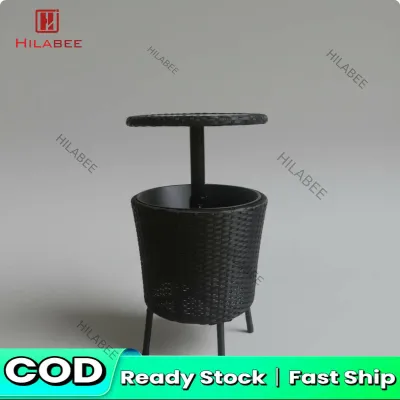
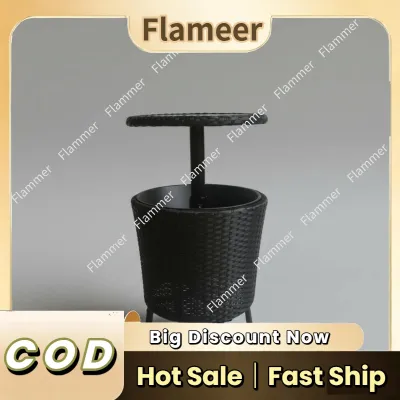
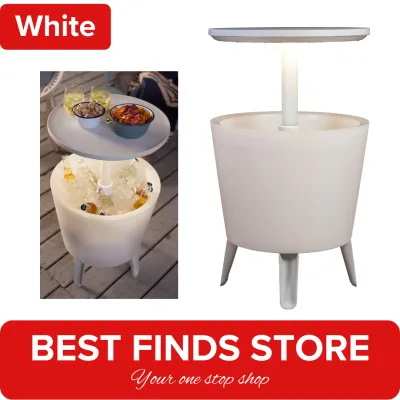
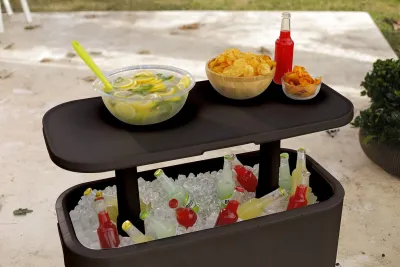
Products mentioned in this guide
![[LEH4]2 PCS 24Inch Inflatable Serving Bar Drinks Inflatable Cooler Table Pool Ice Tray for PartyPicnic & Camping](https://img.lazcdn.com/g/p/6515c0b792a1f12e458d30197eebb6d5.jpg_400x400q80.jpg_.webp)
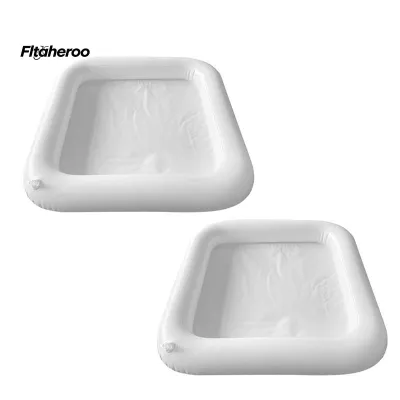
Prices are valid at publication and may change. Please refer to the product page for the latest price.
Once the physical inspection is complete, clean all exterior surfaces thoroughly. Use a mild, non-abrasive liquid soap mixed with warm water and a soft microfiber cloth to wipe away accumulated dirt, pollen, and environmental salts. These microscopic particles act as moisture magnets and can accelerate the corrosion process if left on the metal. Avoid using harsh chemical solvents or abrasive scrubbing pads, which can strip away the factory-applied protective coatings. Allow the unit to dry completely in a shaded, well-ventilated area before proceeding with any protective treatments.
Protect Metal Frames and Hardware from Rust
Exposed metal components require an active barrier to repel water and prevent oxygen from reacting with the steel or iron. If your pre-season inspection revealed minor surface rust, address it immediately before applying any protective coatings. Gently rub the affected area with a soft-bristled nylon brush or a manufacturer-approved rust converter to neutralize the oxidation. Never use steel wool or wire brushes, as they can leave behind microscopic iron fragments that will quickly rust and worsen the problem.

After clearing any surface oxidation, apply a high-quality metal protectant, specialized outdoor furniture wax, or anti-rust spray. Carefully read the product label and your cooler’s user manual to ensure compatibility with the specific metal finish. Apply the protectant in thin, even coats, paying extra attention to weld points, screw threads, and moving hinges where water tends to collect. This hydrophobic layer will cause rainwater to bead up and roll off the surface rather than pooling on the metal.
Be highly selective about the maintenance products you use. Avoid multi-purpose household lubricants that do not dry completely, as they can attract dust and grime, creating an abrasive paste that damages moving parts. Instead, opt for dry-film lubricants or marine-grade waxes designed to withstand high-humidity environments. Reapply these protective barriers periodically throughout the wet season, especially after periods of consecutive heavy downpours.
Safeguard Electrical and Cooling Components
Water ingress into the electrical systems of an outdoor appliance poses a severe safety hazard and can permanently damage the cooling mechanism. Begin by consulting your table bar cooler’s user manual to locate its Ingress Protection (IP) rating. This rating indicates the unit’s level of resistance to dust and water penetration. Understanding these limits helps you determine whether the cooler can withstand direct driving rain or if it requires complete physical sheltering during storms.
The power connection is the most vulnerable point of any outdoor appliance. Ensure that the power cord, plug, and the outdoor outlet itself are elevated well above the ground to prevent contact with pooling water. The outdoor outlet must be equipped with a weatherproof, outdoor-rated “in-use” cover that remains sealed even when the appliance is plugged in. Inspect the power cord for any signs of wear, fraying, or cracking in the rubber insulation, and replace it immediately if damage is found.
Internal moisture management is equally important for preventing electrical failures. Locate the unit’s drainage hole and drip tray, which are designed to channel away condensation. Clear out any leaves, dirt, or insect nests that might block these passages. A clogged drain can cause water to back up inside the cabinet, potentially reaching the electrical housing or the compressor motor, leading to short circuits and system failure.
Maintain and Seal the Bar Tabletop
The tabletop surface of your bar cooler is highly susceptible to weather damage, as it is the primary area where rainwater pools. Different materials require distinct preservation strategies, so you must first identify what your tabletop is made of. If you have a treated hardwood top, such as teak or acacia, apply a fresh coat of exterior-grade wood sealer or conditioning oil if recommended by the manufacturer. This prevents the wood from absorbing moisture, warping, or developing mold.
For stone, composite, or metal tabletops, check the manufacturer’s guidelines regarding sealants. Some stone surfaces are porous and require a penetrating sealer to prevent water staining and cracking during temperature fluctuations. Regardless of the material, make it a habit to wipe away standing water immediately after a rainstorm. Allowing puddles to sit on the surface for extended periods can degrade even the most durable finishes and lead to permanent discoloration.
Avoid leaving heavy, wet objects, decorative items, or non-breathable plastic mats on the tabletop during the rainy months. These items trap moisture underneath them, creating a humid microclimate that accelerates wood rot, metal corrosion, or stone staining. Keep the tabletop completely clear when not in use, allowing air to circulate freely across the surface and promote rapid drying.
Use Protective Covers and Optimize Placement
Physical barriers and strategic placement are your primary lines of defense against driving tropical rains. When selecting a protective cover for your table bar cooler, avoid cheap, non-breathable plastic tarps. These tarps trap rising ground moisture and condensation inside, creating a greenhouse effect that rapidly accelerates rust and mold growth. Instead, invest ₱1,500 to ₱3,500 in a high-quality, breathable, waterproof cover designed specifically for outdoor appliances, featuring built-in air vents that allow moisture to escape.
The physical location of your cooler plays a massive role in its exposure level. If possible, move the unit under a permanent structure such as a roof overhang, a covered patio, or a sturdy pergola. If a permanent shelter is not available, position a large, wind-resistant patio umbrella over the unit to deflect the worst of the downpours. Reducing the volume of direct rainfall that hits the cooler significantly extends the lifespan of both the exterior finish and the internal components.
Ground moisture can be just as damaging as falling rain. Elevate the table bar cooler slightly to prevent the base and legs from sitting in standing puddles or damp soil. You can achieve this by placing weather-resistant rubber risers, heavy-duty lockable casters, or solid concrete pavers under the feet of the unit. Ensure the elevation method is stable and level to prevent the cooler from tipping over during strong winds or heavy storms.
Follow a Wet-Season Maintenance Routine
Protecting your outdoor furniture is an ongoing commitment that requires a consistent routine throughout the wet months. After every major storm or period of prolonged rainfall, perform a quick visual inspection of the unit. Remove the protective cover to check for any water penetration, and use a clean, dry towel to wipe down any damp areas on the frame or tabletop. This simple step prevents moisture from sitting on vulnerable surfaces for days at a time.
Establish a weekly schedule to inspect the more sensitive parts of the cooler. Peel back the cover and check the hinges, metal joints, and door seals for any new rust spots, mold growth, or unusual moisture buildup. Catching these issues early allows you to address them with minor spot treatments before they turn into major repairs.
Additionally, monitor the operational health of the cooling unit. Periodically plug the cooler in and listen closely to the compressor as it starts up. Any unusual grinding, buzzing, or clicking noises can indicate that moisture has penetrated the motor housing or that the electrical components are under strain. If the unit struggles to reach its target temperature, it may be a sign of internal damage that requires immediate attention.
Recognize When to Stop and Call a Professional
While regular maintenance can prevent most issues, there are times when DIY interventions are no longer safe or effective. Electrical anomalies require immediate professional attention to prevent severe safety hazards. If you notice sparking when plugging in the unit, if the cooler repeatedly trips your home’s circuit breakers, or if you detect a faint burning smell, disconnect the power source immediately and do not attempt to turn it back on.
Refrigeration issues also demand expert diagnostics. If the compressor fails to start, cycles on and off rapidly, or if you notice oily residue near the cooling coils (which can indicate a refrigerant leak), consult a qualified appliance technician. Attempting to repair these complex systems yourself can void your manufacturer’s warranty and lead to permanent equipment damage.
Finally, do not ignore structural failures. If severe rust has compromised the integrity of the metal frame, or if the hinges have corroded to the point where the door no longer aligns or seals properly, contact the manufacturer or a professional welder. Operating a heavy appliance with a weakened structure poses a safety risk to anyone using it, and professional restoration is necessary to ensure the unit remains safe and stable.
Frequently Asked Questions (FAQ)
Should I unplug and store the table bar cooler indoors during the peak of the rainy season?
Deciding whether to store your table bar cooler indoors or leave it covered outside depends on your usage patterns and storage capacity. If you do not plan to use the cooler for several weeks during the peak of the monsoon season, moving it to a dry, indoor location like a garage, shed, or utility room is highly recommended. This complete removal from the elements eliminates the risk of moisture damage and extends the overall lifespan of the appliance.
If you choose to store the unit indoors, you must prepare it properly to prevent mold and odors. Begin by unplugging the cooler and removing all beverages and food items. Allow any internal frost to melt completely, and wipe down the interior with a mixture of warm water and baking soda to neutralize odors. Dry every surface thoroughly with a clean towel, and leave the door slightly ajar during storage to allow air circulation and prevent musty smells from developing.
Before making your final decision, review your manufacturer’s warranty guidelines. Some warranties have specific clauses regarding prolonged outdoor exposure, temperature limits, and storage conditions. Adhering to these official recommendations ensures that your warranty remains valid while keeping your outdoor entertainment setup in peak condition for the next sunny season.

Community discussion
Share your experience or ask a question. Comments are reviewed before publication.