
Protecting your portable DJ booth table during the rainy season requires a proactive approach to moisture management and rust prevention. High humidity and frequent rain can quickly degrade metal joints, compromise folding mechanisms, and damage surface finishes. In tropical climates like the Philippines, where the rainy season brings prolonged periods of high relative humidity and sudden downpours, outdoor gigs and transport can expose your gear to severe environmental stress. By establishing a consistent inspection, cleaning, and protection routine, you can safeguard your investment and ensure your setup remains stable, professional, and ready for any performance.
Inspect Your Portable DJ Booth Table Before the Rainy Season
Before the heavy rains arrive, conduct a comprehensive physical inspection of your portable DJ booth table. This initial assessment allows you to identify existing vulnerabilities, minor moisture damage, or early rust formation before they escalate into structural failures during a gig. Start by placing the table in a well-lit area and unfolding it completely to examine every moving part.
Pay close attention to all metal joints, folding hinges, telescoping legs, and locking mechanisms. Look for subtle signs of wear such as surface discoloration, stiffness when folding, or flaking paint. If the table features a powder-coated steel frame, check for tiny bubbles or cracks in the coating, as these often conceal moisture that is already oxidizing the metal underneath.
Products mentioned in this guide
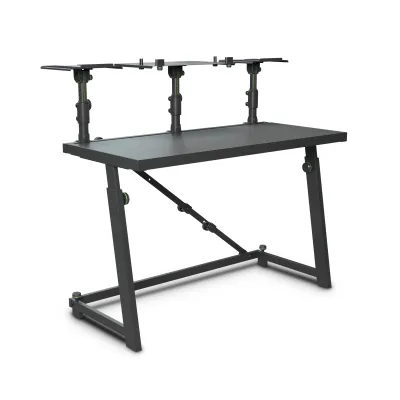
Prices are valid at publication and may change. Please refer to the product page for the latest price.
Next, inspect the tabletop and structural panels. Many portable booths utilize medium-density fiberboard (MDF), plywood, or composite materials wrapped in vinyl or laminate. Check the edges and corners for scratches, chips, or peeling seams. Even a tiny gap in the laminate can allow humid air or rainwater to penetrate the wood core, leading to swelling, warping, and permanent structural degradation.
Finally, locate and review the manufacturer’s care instructions. Different materials require specific maintenance approaches; for instance, anodized aluminum frames demand different protective treatments than powder-coated steel or carbon fiber. Verifying these guidelines beforehand ensures you do not accidentally apply a chemical or oil that strips the factory finish or degrades plastic joint inserts.
Gather Safe Cleaning and Protection Supplies
Acquiring the correct maintenance tools before the rainy season begins prevents hasty decisions that could damage your equipment. Using the wrong cleaning agents or abrasive tools can strip away protective factory coatings, leaving the underlying metal and composite materials highly vulnerable to moisture.

Begin by selecting soft, lint-free microfiber cloths and non-abrasive sponges. Microfiber is highly effective at trapping dust and absorbing moisture without scratching delicate finishes or polished metal surfaces. Avoid using steel wool, stiff-bristled brushes, or abrasive scouring pads for routine cleaning, as these create micro-scratches that collect moisture and accelerate rust.
For cleaning agents, choose mild, pH-neutral soaps or specialized equipment cleaners. Avoid harsh household chemicals, bleach, ammonia, or highly acidic solutions, which can chemically react with metal frames and degrade protective clear coats. A simple mixture of warm water and a few drops of mild dish soap is often the safest option for wiping down both frames and tabletops.
When sourcing protective treatments, verify compatibility with your table’s exact materials by reading product labels carefully. High-quality automotive paste wax, silicone-based water repellents, or specialized marine-grade metal protectants can create an excellent barrier against humidity. However, ensure these products are safe for your specific frame type—whether it is aluminum, coated steel, or composite plastic—to avoid discoloration or chemical degradation.
Lastly, procure a high-quality, breathable, and water-resistant equipment cover. The cover should be sized specifically for your folded or fully assembled booth. Look for covers made from heavy-duty polyester or nylon with built-in ventilation flaps. A completely airtight plastic tarp should be avoided, as it traps ambient humidity underneath, creating a greenhouse effect that accelerates rust and mold growth.
Execute a Thorough Cleaning and Drying Routine
Moisture control is an ongoing discipline that must be practiced after every single event, especially during the humid rainy season. Dust, sweat, spilled drinks, and ambient condensation can trap moisture against the table’s surfaces, creating a corrosive environment if left unaddressed.
Begin your post-gig routine by wiping down the entire table with a damp microfiber cloth to remove any accumulated grime or sticky residues. Pay close attention to hard-to-reach areas, including the undersides of the tabletop, the interior tracks of telescoping legs, and the crevices around hinges and locking pins. These hidden spots are where condensation naturally pools as temperatures drop overnight.
Once the table is clean, use a separate, dry microfiber cloth to thoroughly buff all metal components and joints. Continue buffing until there is no visible moisture or damp sheen left on any surface. For intricate folding mechanisms or tight joints where a cloth cannot easily reach, consider using a manual hand blower or a low-temperature hair dryer to expel trapped water droplets.
Before folding the table for transport or storage, allow it to air-dry completely in a well-ventilated, indoor environment. Never fold, pack, or cover the table while it is still damp. Even a small amount of trapped moisture inside a folded frame can lead to rapid rust formation and mold growth within a matter of days.
If you notice water pooling inside the hollow structural tubes of the frame during cleaning, stop and reassess. This indicates that water has bypassed the frame’s end caps or joint seals. Tilt the frame to drain the water completely, and allow the interior of the tubes to dry thoroughly before reassembling or storing the unit.
Apply Protective Treatments and Use Weatherproof Covers
Once your portable DJ booth table is clean and dry, applying a physical barrier is the next crucial step in resisting the relentless humidity of the rainy season. This barrier prevents airborne moisture from making direct contact with vulnerable metal and composite surfaces.
Apply a thin, even layer of manufacturer-approved protective wax or a specialized rust inhibitor to all exposed metal parts, hinges, and joint pins. Use a clean microfiber cloth to work the product into the surfaces, then buff off any excess thoroughly. Leaving a thick, sticky residue of wax or oil is counterproductive, as it will attract dust, sand, and outdoor debris, which can grind down moving parts over time.
When preparing to cover your table, double-check that both the table and the protective cover are completely dry inside and out. Placing a damp cover over a dry table, or vice versa, will trap moisture in a confined space, significantly accelerating the oxidation process. Secure the cover tightly to prevent wind from lifting it, but ensure the ventilation flaps remain unobstructed to allow continuous airflow.
Storage location is just as important as the physical protection itself. Store the covered table indoors in a dry, well-ventilated room or a climate-controlled space. Elevate the table slightly off concrete floors using wooden pallets, rubber mats, or thick plastic risers. Concrete floors naturally absorb and release ground moisture, which can rise and condense on the cold metal legs of your table.
Avoid storing your DJ booth table in unventilated spaces such as outdoor sheds, damp garages, or metal storage boxes. In tropical climates, these environments experience extreme temperature fluctuations between day and night, leading to heavy condensation on metal surfaces that can easily bypass basic covers and trigger rapid rust.
Address Early Signs of Rust and Water Damage
Despite your best efforts, the intense humidity of the rainy season may occasionally cause minor surface rust or water spots. Addressing these early signs immediately prevents them from spreading and causing permanent structural damage to your portable DJ booth table.
If you spot light, superficial surface rust on non-structural metal parts, act quickly. Gently rub the affected area using fine-grade steel wool or a specialized mild rust remover. Always follow the product’s safety and application guidelines, wearing protective gloves and working in a well-ventilated area if using chemical rust converters.
Before applying any rust removal method or chemical treatment, always test it on a small, inconspicuous area of the table first. This precaution ensures the treatment will not discolor the paint, strip the powder coating, or damage adjacent plastic and rubber components.
Immediately after treating and cleaning the affected area, wipe away all residues and dry the surface completely. Reapply a fresh layer of your protective wax or rust inhibitor to the bare metal. This step is critical, as treated metal is highly reactive and will re-oxidize rapidly if left exposed to the humid air.
If you discover that rust has penetrated deep into the metal, causing pitting, flaking, or structural weakness, cease DIY repairs. Deep corrosion on load-bearing joints, locking mechanisms, or telescoping leg pins compromises the safety of your entire setup. In such cases, consult the manufacturer for replacement parts or seek assistance from a qualified metal fabrication professional to ensure your booth remains safe to support heavy DJ equipment.
Frequently Asked Questions (FAQ)
Can I use household oils to prevent rust on metal joints?
Using household cooking oils or standard multi-purpose household lubricants is generally not recommended for protecting your portable DJ booth table. Cooking oils degrade quickly, become sticky, and rancid, which attracts dust, dirt, and insects into your table’s folding joints. Standard household lubricants can also break down over time and may contain solvents that damage plastic bushings, rubber feet, or specialized paint finishes. Instead, always use lubricants and protectants specifically formulated for outdoor metal hardware, such as dry silicone sprays or marine-grade rust inhibitors, which dry clean and resist dust accumulation.
How should I store the table if I have limited indoor space?
If indoor storage space is limited, you can safely store your portable DJ booth table vertically or under a bed, provided the area remains dry and well-ventilated. Utilize heavy-duty wall mounts or brackets to keep the folded table elevated off the floor, ensuring the wall structure can safely support the weight of the unit. If storing the table under a bed or in a closet, always keep it inside its breathable, water-resistant cover to protect it from ambient dust and accidental spills. Avoid placing the table directly against cold exterior walls, as these surfaces are prone to condensation during heavy rainstorms, which can transfer moisture directly to your equipment.

Community discussion
Share your experience or ask a question. Comments are reviewed before publication.