
Replacing worn-out office chair wheels is a straightforward task that can instantly restore smooth mobility, protect your flooring, and extend the lifespan of your seating. Instead of spending thousands of pesos on a brand-new ergonomic chair, a simple caster swap can resolve issues like stubborn rolling, floor scratching, or annoying squeaks. The entire process typically takes less than twenty minutes and requires only a few basic household tools.
To complete this upgrade successfully, you must safely extract the old friction-fit stems without cracking the chair’s base and install compatible replacements. Understanding the structural differences in chair bases and stem sizes ensures you do not accidentally ruin the socket housing. By following a systematic approach, you can keep your home office setup functional and quiet.
Verify Caster Compatibility and Prepare Your Workspace
Before purchasing replacement casters, you must determine the exact specifications of your current chair wheels. Most modern office chairs utilize a grip ring stem, which features a small metal ring that compresses inside the socket to hold the wheel in place. To find the correct size, pull out one of your existing wheels and measure the stem’s diameter and length using a pair of calipers or a precise ruler. The standard stem size for the vast majority of office chairs is 11 millimeters in diameter by 22 millimeters in length, but certain brands, particularly some European designs, use a slightly smaller 10-millimeter stem. Installing the wrong size will either prevent the stem from entering the socket or cause the wheel to fall out when you lift the chair.
Products mentioned in this guide

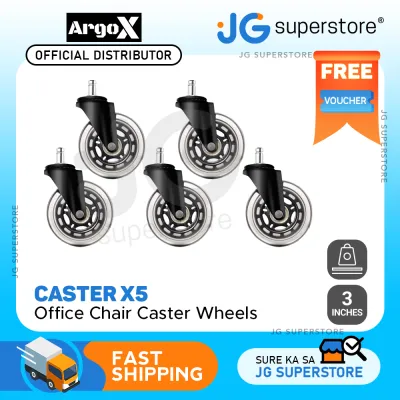
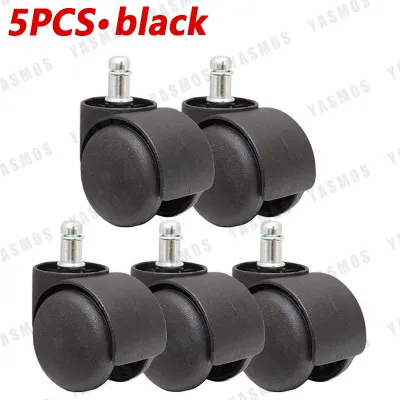
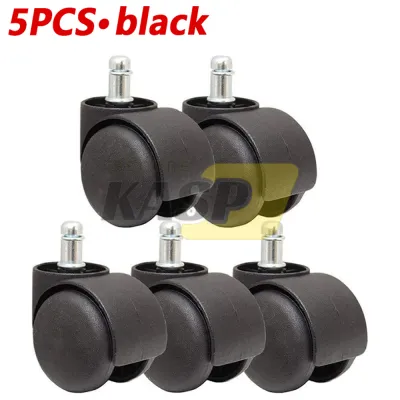
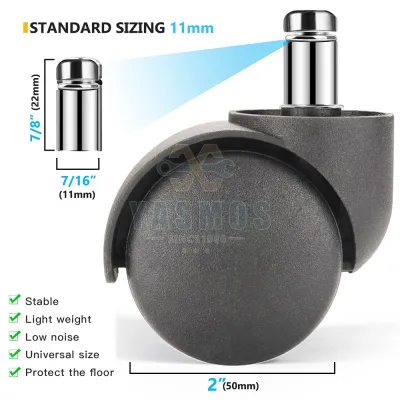
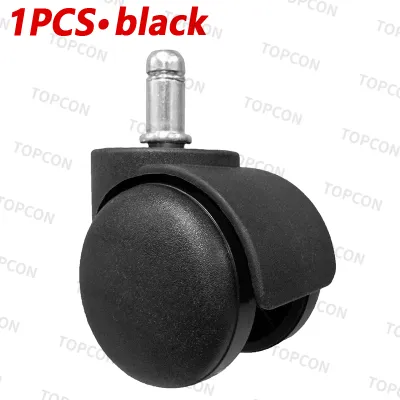
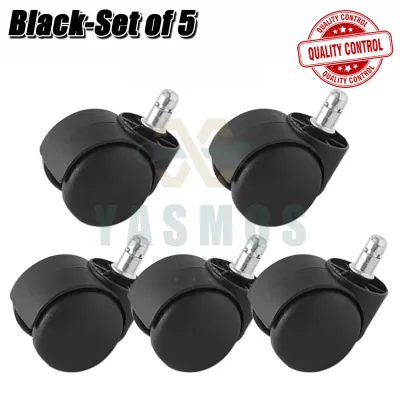
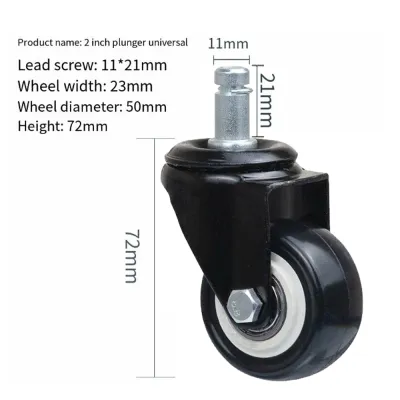
Prices are valid at publication and may change. Please refer to the product page for the latest price.
Next, inspect the material of your chair’s base, as this dictates how much force you can safely apply during removal. Office chair bases are typically constructed from molded nylon plastic, steel, or cast aluminum. Nylon bases are lightweight and common, but they can become brittle over time and are susceptible to cracking if pried with excessive, uneven force. Metal bases are highly durable but can sometimes experience minor corrosion or binding inside the socket, especially in humid tropical environments where moisture accelerates metal-on-metal friction.
To prepare your workspace, clear a flat area on the floor and lay down a protective layer, such as a large piece of thick cardboard, an old blanket, or a yoga mat. This prevents the chair’s backrest, armrests, and adjustment levers from getting scratched or damaged while the chair is upside down. Gather your tools before starting: a sturdy flathead screwdriver, a small pry bar, a rubber mallet, a clean rag, and a pair of protective work gloves to shield your hands from grease and sharp metal edges.
Remove the Old Wheels Without Cracking the Base
To begin the removal process, carefully lift the office chair and turn it completely upside down, resting the headrest or upper backrest securely on your protected floor surface. Ensure the chair is stable and will not tip over while you work on the base. If your chair has a gas lift cylinder that slides easily, make sure the base is positioned firmly so it does not wobble.

Most office chair casters are held in place solely by friction and the tension of the grip ring. To remove a standard caster, grip the wheel body firmly with both hands and pull straight upward, away from the base. Applying a slight twisting motion while pulling can help break any stubborn friction. If the caster is relatively new or the socket is clean, it should pop out of the base with moderate physical effort.
If the wheels have been in place for years, dust, hair, and humidity may have caused the metal stem to bind inside the socket. When manual pulling is not enough, slide the flat head of a screwdriver or a pry bar between the top of the caster housing and the underside of the chair base. Wrap the tip of the tool in a clean rag to avoid scratching or gouging the base material. Apply gradual, controlled downward leverage on the tool handle to pry the stem out of the socket. Work your way around the stem incrementally rather than prying from just one side, which can bend the stem or warp the socket.
Always monitor the chair base for signs of structural stress during this step. If you notice the nylon plastic turning white, bending excessively, or showing hairline cracks, stop prying immediately. Applying too much force can permanently ruin the socket, rendering the entire base useless. If a stem refuses to budge after several controlled attempts, apply a small drop of penetrating lubricant around the socket entry, let it sit for a few minutes to loosen any rust or grime, and try again. If it remains completely stuck, consult the manufacturer or a professional furniture repair service.
Install the New Replacement Casters Securely
Once the old casters are removed, take a moment to inspect the empty sockets in the chair base. Over months or years of use, these cavities can accumulate a mixture of dust, hair, and degraded plastic fragments. Use a dry cotton swab, a small brush, or a can of compressed air to thoroughly clean out any debris from inside each socket. Ensuring the chamber is completely clear allows the new stem to slide in smoothly and seat itself at the correct depth.
To install a new caster, align the metal stem so it is perfectly straight and perpendicular to the socket opening. Any tilt or misalignment during insertion can damage the internal plastic threads of a nylon base or bend the grip ring on the new stem. Once aligned, push the caster firmly into the socket using the palm of your hand. You should feel the stem slide in, often culminating in a distinct physical pop or an audible click as the grip ring expands and locks into place.
If the stem is difficult to push in by hand, do not force it at an angle. Instead, place a folded towel or a thick rag over the wheels to cushion them, and tap the center of the caster housing gently with a rubber mallet. Avoid using a metal hammer, as direct metal-on-plastic contact can easily shatter the new caster casing. Keep tapping lightly until the shoulder of the caster stem sits completely flush against the underside of the chair base, leaving no visible gaps. Repeat this process for all five wheels, ensuring they are all installed to the exact same depth to maintain a level seating surface.
Test Stability and Maintain the New Wheels
After successfully installing all five replacement casters, carefully flip the office chair back onto its wheels. Before sitting down, press down firmly on the seat with your hands to ensure all stems are fully compressed into their sockets under weight. Once you confirm the chair feels level, sit down and slowly roll forward, backward, and in a complete circle to test the movement.
Pay close attention to how the chair swivels and rolls across your specific flooring. If you experience any wobbling, uneven height, or a sensation that the chair is tilting to one side, one of the casters may not be fully seated. Inspect each wheel connection to ensure the metal shoulders are flush against the base. If you hear squeaking or grinding, double-check that no packaging material or debris is trapped in the wheel axles.
To maximize the lifespan of your new office chair wheels, establish a simple routine maintenance schedule. In tropical climates like the Philippines, household dust and hair tend to combine with ambient humidity, forming a sticky grime that wraps around wheel axles and slows down rotation. Every few months, flip the chair and use a vacuum brush attachment or a stiff brush to clear away accumulated debris. If the wheels begin to stiffen, apply a light spray of dry silicone lubricant directly to the swivel joints and axles, wiping away any excess to prevent it from attracting more dust.
Frequently Asked Questions (FAQ)
Are all office chair replacement wheels universal?
No, office chair replacement wheels are not universally compatible across all brands and models. While the vast majority of office chairs use a standard grip ring stem measuring 11mm in diameter and 22mm in length, exceptions are common. For example, some major furniture brands utilize 10mm stems, which will slide out of standard 11mm sockets. Additionally, you must consider the weight capacity of the replacement casters to ensure they can safely support both the chair’s weight and the user. It is always best to measure your old caster stem with calipers or consult your chair’s original manual before purchasing replacements.
What if the old caster stem breaks off inside the socket?
If a caster stem shears off and leaves a portion stuck inside the socket, do not attempt to drill it out or pry it aggressively, as this can permanently warp the socket walls. If a small portion of the metal stem is still protruding from the base, grip it firmly with a pair of locking pliers and pull straight out while tapping the pliers gently with a mallet. If the stem is broken flush with the socket, you can carefully insert a screw extractor tool into the center of the broken stem to grip and pull it out. If these methods fail, contact the chair manufacturer for advice or consider replacing the entire star base, which is often sold as a separate, easily swappable component.

Community discussion
Share your experience or ask a question. Comments are reviewed before publication.