
Selecting the right 2-layer storage box for a lipat bahay (home move) in the Philippines requires balancing structural durability with spatial efficiency. Unlike standard single-compartment bins, a 2-layer storage box features an integrated divider or dual-tier system that allows you to organize items vertically within a single container. To ensure your belongings survive the bumpy transit in a moving truck or van, you must evaluate how these boxes handle weight, resist tropical humidity, and stack securely. Focusing on physical inspection and verification of material specifications will protect your household goods from damage during the transition.
The Organizational Benefits of 2-Layer Boxes During a Move
Using a 2-layer design during a relocation offers distinct structural advantages over traditional deep storage bins. One of the primary benefits is the physical separation of fragile and heavy items within the exact same footprint. In a standard deep box, placing delicate items on top of heavy ones often leads to shifting during transit, which can crush fragile belongings. A 2-layer box solves this by providing a rigid internal divider or tray, allowing you to place heavier, dense items in the bottom compartment while keeping lighter, delicate items safely isolated on the upper level.
This vertical separation significantly improves space efficiency inside moving trucks, temporary storage units, and tight apartment hallways. Because these boxes consolidate two distinct categories of items into a single vertical unit, they reduce the total number of individual containers you need to load and unload. This compact footprint is particularly valuable when navigating narrow stairwells or small condominium elevators during a metropolitan move, where minimizing the physical volume of your cargo makes each trip more manageable.
Products mentioned in this guide
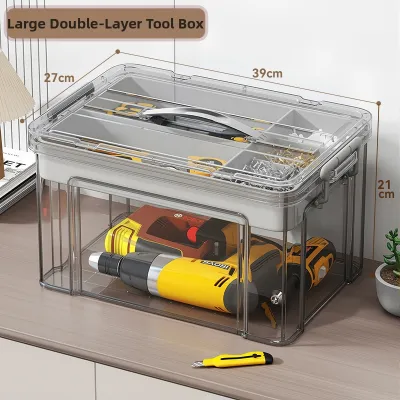
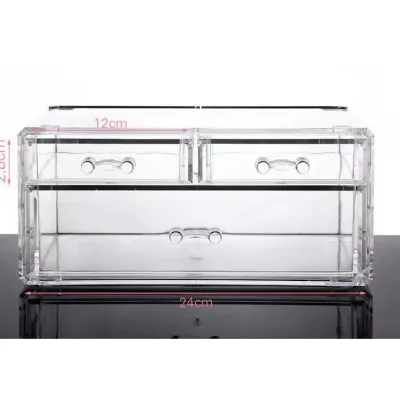
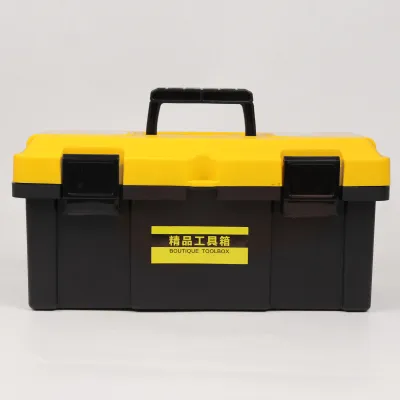
Prices are valid at publication and may change. Please refer to the product page for the latest price.
Additionally, 2-layer boxes make it much easier to access daily essentials during the chaotic transition period. When you arrive at your new home, you will likely need immediate access to basic tools, toiletries, chargers, or kitchen utensils before you have time to unpack everything. By dedicating the top layer of specific boxes to these high-priority items, you can retrieve them instantly without having to dig through layers of bubble wrap or unpack the entire container. This organized approach reduces moving-day stress and keeps your essential items within arm’s reach.
Key Structural Features to Check Before Buying
When browsing product listings on online marketplaces or inspecting options at a local home improvement store, you must look closely at specific physical design elements. The first and most critical feature to evaluate is the interlocking lid and base design. High-quality stackable boxes feature deeply recessed channels on the top lid that perfectly match the outer dimensions of the box’s base. This interlocking mechanism prevents the stacked boxes from sliding horizontally when the moving vehicle encounters sudden stops, sharp turns, or uneven road surfaces.

Next, examine the latch mechanisms that secure the lid and the internal layers. You will generally encounter two main styles: snap-fit latches that clip over the rim, and hinged clasps that lock flat against the sides. Look for latches reinforced with thick plastic pins or metal hinges, as these are far less likely to snap under the physical pressure of a packed box. Avoid thin, brittle plastic tabs that feel stiff or show signs of stress whitening when bent, as these often fail during the heavy handling of a move.
Handle designs also play a major role in both carrying comfort and space optimization. Recessed handles, which are molded directly into the body of the box, are ideal for tight truck spaces because they do not protrude and prevent boxes from being packed flush against one another. However, if you expect to carry heavy loads over longer distances, look for handles with ergonomic, rounded grips or rubberized inserts to reduce hand strain. Ensure the handle area is structurally reinforced where it connects to the main body, as this is a common point of failure under heavy loads.
Finally, inspect the wall thickness and the presence of ribbed reinforcements along the sides and base of the box. A flat plastic wall is highly susceptible to bowing outward when packed tightly, which can compromise the lid’s seal and weaken the overall structure. Look for boxes that feature visible vertical or diagonal structural ribs molded into the exterior walls. These ribs act as columns that distribute weight downward, significantly increasing the load-bearing capacity of the box and allowing you to stack multiple units safely without risking structural collapse.
Matching Material Quality to Your Packed Items
The durability of your storage boxes depends heavily on the type of plastic used in their construction. When reviewing product specifications, look for the recycling triangle or manufacturer labels indicating the material type. High-density polyethylene (HDPE) is highly recommended for moving because of its exceptional impact resistance, tensile strength, and ability to withstand physical shocks without cracking. Standard polypropylene (PP) is also widely used and offers excellent rigidity, but you should verify that it is a high-impact or reinforced grade if you plan to pack heavy or valuable items.
In the Philippines, the tropical climate introduces specific environmental challenges that can affect plastic performance. High humidity and intense heat in non-climate-controlled storage units, garages, or closed moving trucks can cause lower-grade plastics to soften, warp, or become brittle over time. Check the manufacturer’s product descriptions for temperature resistance ratings, and avoid leaving packed boxes exposed to direct sunlight for extended periods. If your move involves temporary storage in a humid warehouse, choosing moisture-resistant materials with tight-fitting seals is essential to protect paper documents, clothing, and electronics from mold.
You must also weigh the trade-offs between transparent and opaque boxes based on what you are packing. Clear plastic boxes allow you to identify the contents instantly without opening the lid, which saves valuable time during the unpacking process. However, clear plastics are often more susceptible to UV degradation if exposed to sunlight, and they offer no privacy for valuable or personal items. Opaque or tinted boxes provide better protection against light-sensitive items and keep your belongings hidden from view during transit, though they require clear external labeling so you know what is inside.
How to Pack and Stack 2-Layer Boxes Safely for Transit
Proper packing technique is essential to maximize the structural benefits of a 2-layer storage box and prevent damage during transit. Always distribute weight logically by placing your heaviest, densest items in the bottom compartment. This lowers the center of gravity of the entire box, making it much more stable when carried or stacked. Reserve the lighter, more fragile items for the top layer or removable tray, ensuring that no heavy objects can shift downward and crush delicate belongings during the journey.
Internal stabilization is just as important as external stacking. Even if your items are separated into two layers, they can still slide around and strike the internal divider or the outer walls when the moving truck experiences vibrations. Use adjustable dividers, bubble wrap, packing paper, or even clean towels to fill any empty spaces within each layer. This prevents movement and cushions your items against the shocks of bumpy roads, which are common during local relocations.
Before stacking your boxes, you must determine the safe stacking limits to avoid crushing the bottom units. Check the manufacturer’s stated weight capacity for both the individual layers and the overall stacked load. As a general rule, place the heaviest boxes at the very bottom of your stack and lighter boxes on top. Constantly monitor the structural integrity of the bottom box’s lid; if you notice any bowing, cracking, or deformation, immediately reduce the height of the stack or redistribute the weight.
To secure your stacked boxes inside the moving vehicle, apply stretch wrap or heavy-duty securing straps around the columns. Even with interlocking lids, the high-frequency vibrations and sudden movements of a moving truck can cause stacked boxes to shift or tip over. Wrapping a column of three or four boxes together with stretch film creates a single, stable unit that resists tipping. If you are using securing straps, ensure they are tensioned across the structural corners of the boxes rather than the flexible center of the lids to prevent cracking the plastic.
Where to Buy and How to Inspect Your Boxes Upon Delivery
When sourcing your 2-layer storage boxes, you can choose between purchasing from official brand stores on online marketplaces or visiting local hardware and home goods retailers. Online shopping offers the convenience of home delivery, which is especially helpful when purchasing large quantities of bulky boxes. However, buying in person allows you to physically inspect the plastic quality, test the latches, and verify the overall sturdiness of the boxes before making a purchase. If you choose to buy online, stick to reputable official stores to ensure you receive genuine products rather than low-quality imitations.
Regardless of where you purchase your boxes, perform a thorough physical inspection immediately upon delivery or purchase. Check the entire body of each box for manufacturing defects, paying close attention to the areas around the latches, hinges, and corners. Look for micro-cracks, stress marks, or thin spots in the plastic that could fail under load. Ensure the lids fit tightly and seal properly without warping, and test the latches several times to confirm they snap shut securely and do not pop open under light pressure.
Finally, verify the actual dimensions of the boxes using a measuring tape. Online product listings sometimes state exterior dimensions that include protruding handles or lid lips, which can make the actual interior storage space smaller than expected. Measure both the exterior dimensions—to ensure the boxes will fit into your planned shelving units, car trunk, or moving truck—and the interior dimensions of both layers. This step ensures that your planned packing layout is accurate and that your items will fit comfortably without forcing the lids shut.
Frequently Asked Questions (FAQ)
Are 2-Layer Boxes Safe for Heavy Books and Documents?
While 2-layer storage boxes are highly versatile, they are generally not recommended for packing large quantities of heavy books or dense documents. Packing heavy items in both layers can easily exceed the manufacturer’s stated weight capacity, leading to bottom-layer bowing, base cracking, or latch failure when you attempt to lift the box. The central divider or tray in a 2-layer box is typically designed for lighter organizational items and may buckle under the concentrated weight of heavy books. For dense materials, it is much safer to use smaller, single-layer heavy-duty plastic crates or dedicated cardboard book boxes that distribute the weight more evenly and are easier to carry safely.
How to Clean and Inspect Reused Boxes Before Packing
If you are reusing 2-layer storage boxes from previous moves or storage projects, proper cleaning and inspection are vital to protect your belongings. Wash both layers, the divider tray, and the lid thoroughly using mild dish soap and warm water. Avoid using harsh chemical solvents, bleach, or abrasive scrubbers, as these can degrade the plastic, cause micro-fractures, and make the material brittle over time. Allow all components to air dry completely in a well-ventilated area before packing; any trapped moisture can lead to mold, mildew, and unpleasant odors inside the sealed box. During the cleaning process, carefully inspect the latches, hinges, and interlocking grooves for signs of wear, warping, or stress fractures to ensure they are still strong enough to secure your items.

Community discussion
Share your experience or ask a question. Comments are reviewed before publication.