
Hosting family gatherings is a cornerstone of daily life in the Philippines. Whether it is a Sunday family lunch, a birthday celebration, or a holiday feast, the dining table serves as the central hub of the home. However, managing limited square footage in urban condominiums, townhouses, or suburban subdivisions requires smart furniture choices. An expandable dining table offers a practical solution, allowing a family to maintain an open, functional living space on ordinary days while easily accommodating six to ten people when guests arrive. Selecting the right table involves evaluating structural mechanisms, calculating precise spatial clearances, inspecting material finishes for tropical durability, and planning the logistics of delivery and assembly.
Choosing the Right Extension Mechanism
Selecting the ideal extension mechanism depends on your home’s storage capacity and how frequently you plan to host large gatherings. Removable leaves are separate panels inserted into the center or ends of the table to increase its length. When not in use, these leaves must be stored elsewhere in the home. In tropical climates with high relative humidity, storing wooden leaves requires careful planning. If stored in a damp closet or flat against a humid wall, the wood can warp over time, making it difficult to align the leaf with the main tabletop during assembly. Homeowners must ensure they have a dry, flat storage space, such as under a bed or inside a dedicated closet, to keep these components in pristine condition.
Self-storing mechanisms, such as butterfly leaves or drop-leaf designs, offer a highly convenient alternative. A butterfly leaf is folded and stored directly inside a compartment beneath the tabletop, swinging out and unfolding when the table is pulled apart. Drop-leaf tables feature hinged sections at the ends that hang down when not in use and lift up to be supported by pull-out brackets. While these designs eliminate the need for external storage, they introduce more mechanical complexity. The hinges, tracks, and gears must be robust enough to withstand repeated use. Furthermore, in humid environments, metal tracks and hinges are susceptible to rust and dust accumulation, which can cause friction and misalignment over time.
Products mentioned in this guide
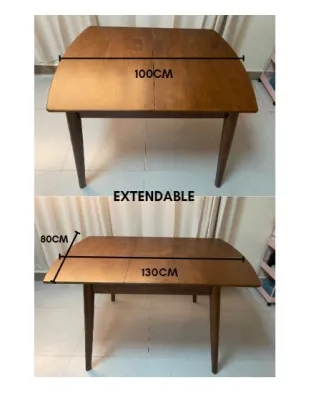
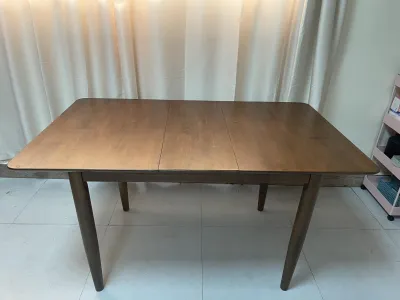
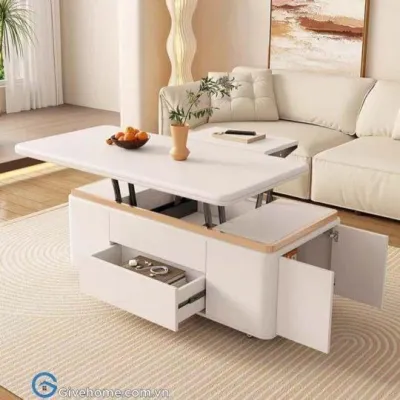
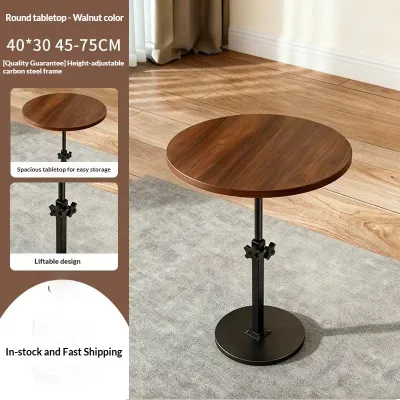
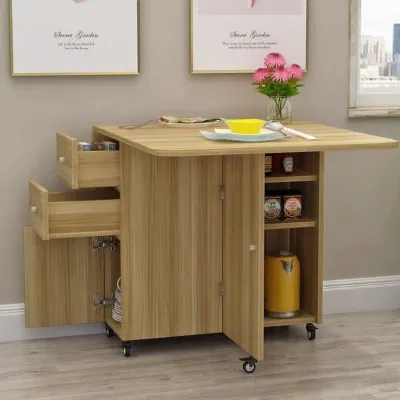
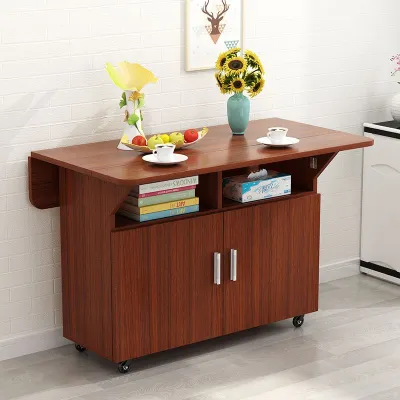
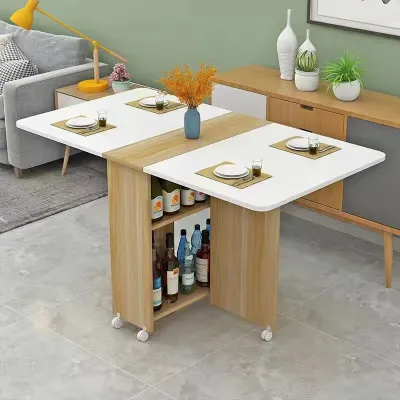
Prices are valid at publication and may change. Please refer to the product page for the latest price.
When a table is fully extended to accommodate ten people, its center of gravity shifts, making weight distribution a critical safety factor. Some tables feature a central pedestal base that splits when extended, while others rely on four corner legs that slide outward. A sliding-leg design often provides superior stability at the outer edges, preventing the table from tipping if someone leans heavily on the extended ends. If the table uses a fixed central base with long cantilevered extensions, check if the manufacturer includes auxiliary support legs that drop down to reinforce the extended sections.
Calculating Space and Dimensions for 6 to 10 Seats
To ensure a comfortable dining experience, each person requires adequate elbow room and table surface area. As a general rule of thumb, plan for approximately 60 to 70 centimeters of table length per diner. For a standard six-seat configuration, a rectangular table should measure at least 150 to 180 centimeters in length. To expand this setup to comfortably seat ten people, the table must extend to a length of 240 to 300 centimeters. The width of the table is equally important; a width of 90 to 100 centimeters is ideal to allow space for serving platters, rice bowls, and individual place settings down the center.

Beyond the physical dimensions of the table, the surrounding space dictates how comfortable the dining room will feel. A minimum clearance of 90 centimeters is required between the edge of the table and the nearest wall, sideboard, or doorway to allow diners to pull out their chairs and sit down comfortably. To facilitate smooth foot traffic while people are seated—especially during busy family gatherings where food is constantly being passed around—a clearance of 120 centimeters is highly recommended. Homeowners should map out these dimensions on their dining room floor using painter’s tape to visualize both the collapsed and fully extended configurations before making a purchase.
One of the most common pitfalls when purchasing large furniture is failing to plan for delivery access. An expandable table capable of seating ten people is a substantial piece of furniture, even when disassembled. Before finalizing an order, measure the width and height of all entryways, hallways, stairwells, and elevator doors. In high-rise condominiums or multi-story townhouses, tight corners and low ceilings can prevent delivery crews from bringing the tabletop to your dining room. Verify the packaged dimensions of the table with the retailer to ensure it can safely navigate these transit points.
Inspecting Stability and Surface Durability
The structural integrity of an expandable table depends heavily on its joinery and frame construction. Inspect the underside of the table to evaluate how the legs connect to the apron. Look for heavy-duty corner blocks, mortise-and-tenon joints, or robust steel bolts. Avoid tables that rely solely on simple wood screws or thin brackets, as these can loosen under the stress of repeated extension and heavy loads. When the table is fully extended, apply downward pressure on the edges and corners to check for wobbling or flexing. A stable table should feel solid and grounded, with no noticeable sway.
While solid wood is a popular choice for its aesthetic appeal, the material name alone does not guarantee durability. In the Philippines, the combination of high humidity, warm temperatures, and daily exposure to hot, humid air can cause wood to expand, contract, or develop surface cracks. Furthermore, family dining often involves hot serving dishes, spills, and condensation from cold drinks. Instead of focusing solely on the wood species, inspect the surface finish. Look for high-quality polyurethane coatings, heat-resistant lacquers, or durable melamine laminates that protect the underlying material from moisture and heat. Always verify the manufacturer’s care instructions, and plan to use heat-resistant trivets, coasters, and placemats to preserve the finish.
Check the manufacturer’s specified weight capacity to ensure the table can support the weight of heavy serving platters, dinnerware, and the occasional leaning guest. Additionally, understand the assembly requirements. Some expandable tables arrive fully assembled, while others require extensive DIY assembly. If you are assembling the table yourself, ensure you have the correct tools and follow the instructions carefully, paying close attention to the alignment of the extension tracks and locking mechanisms to prevent structural strain.
Navigating Delivery and Assembly for Large Furniture
When shopping for an expandable dining table, visiting a physical showroom allows you to test the extension mechanism firsthand. You can feel how smoothly the tracks glide, check for alignment issues when the leaves are locked in place, and assess the overall stability of the table. However, if shopping online is more convenient, look for detailed product specifications, downloadable assembly manuals, and customer photos. Pay close attention to reviews that mention the ease of operating the extension mechanism and the long-term durability of the hardware.
Due to the size and weight of expandable dining tables, delivery fees can vary significantly based on your location. When purchasing from local retailers or online marketplaces, verify the shipping costs to your specific barangay or province, which are typically calculated in ₱ based on distance and item weight. Many furniture retailers offer professional assembly services for an additional fee. Given the complexity of aligning extension tracks and securing heavy frames, opting for professional assembly is often a worthwhile investment to ensure the table is set up safely and functions correctly. Additionally, review the retailer’s return policy for oversized items, as returning a large table due to fit or aesthetic preferences can be costly and logistically challenging.
Before making your final decision, confirm the stock status and estimated lead times. Imported or custom-made tables may have lead times of several weeks or months, which is an important consideration if you are planning around a specific family event or holiday. Finally, inquire about the warranty coverage. A comprehensive warranty should cover not only the structural frame but also the moving parts, extension tracks, hinges, and locking mechanisms, providing peace of mind for your investment.
Frequently Asked Questions (FAQ)
How do I maintain the extension tracks and hinges?
To keep your expandable dining table operating smoothly, regular maintenance of the moving parts is essential. Dust, food crumbs, and pet hair can accumulate in the extension tracks and hinges, causing friction and making it difficult to open or close the table. Periodically vacuum the tracks using a soft brush attachment to remove loose debris. For wooden slides, applying a small amount of paraffin wax or beeswax along the contact points can reduce friction. For metal tracks and hinges, use a dry silicone spray lubricant rather than oil-based lubricants, which can attract dust and create a sticky buildup. If you notice persistent resistance or misalignment, avoid forcing the mechanism, as this can bend the tracks; instead, check for loose screws or consult a professional furniture repair service.
Can I add extra chairs if the table is fully extended?
While it may be tempting to squeeze in extra guests by placing chairs at the very corners or ends of an extended table, doing so requires caution. The maximum safe seating capacity is dictated by the table’s leg placement and structural design. Tables with trestle bases or legs positioned at the absolute corners generally offer better stability for extra seating. However, if the table relies on a central pedestal or has significant cantilevered extensions without support legs, placing heavy weight on the extreme ends can create a tipping hazard. Overloading the extended sections also puts immense structural stress on the hinges, tracks, and locking mechanisms, which can lead to permanent sagging or mechanical failure. Always adhere to the manufacturer’s recommended seating capacity and weight limits to ensure the safety of your guests and the longevity of your furniture.

Community discussion
Share your experience or ask a question. Comments are reviewed before publication.