
Selecting the right floating wooden shelves for your home office in the Philippines requires balancing aesthetic appeal with structural integrity. In a tropical climate where high humidity can affect wood and wall structures, choosing shelves involves evaluating material composition, wall compatibility, and weight limits. By focusing on how the shelves are manufactured, how they mount to your specific wall type, and what items they will hold, you can create an organized, clutter-free workspace that supports your productivity. This guide provides a practical framework to help you assess your space, evaluate product specifications, and install your shelves securely.
Assessing Your Home Office Space and Storage Needs
Before purchasing any shelving unit, you must carefully measure your available wall space and identify potential physical obstructions. In a typical home office or study room, shelves are often mounted directly above or adjacent to the desk. Use a reliable measuring tape to map out the width and height of the target wall area. Take note of nearby furniture, ensuring that the shelf placement will not interfere with your chair’s movement, door swings, or the clearance needed for a desktop monitor. If you have a standing desk, measure the wall space with the desk at its maximum height to prevent any accidental collisions with your office equipment.
Next, categorize the items you plan to store by their size and weight. Home office supplies vary significantly in weight; a stack of heavy reference books, legal-sized documents, and binders requires a much sturdier setup than lightweight decorative plants, framed photos, or small stationery organizers. Measure the depth of your largest items, such as storage boxes or textbook binders, to determine the minimum shelf depth required. Standard floating shelves typically range from 15 to 30 centimeters in depth. Choosing a shelf that is too narrow will cause items to overhang, creating a safety hazard, while a shelf that is too deep can place excessive leverage on the mounting brackets, increasing the risk of sagging or wall damage.
Products mentioned in this guide
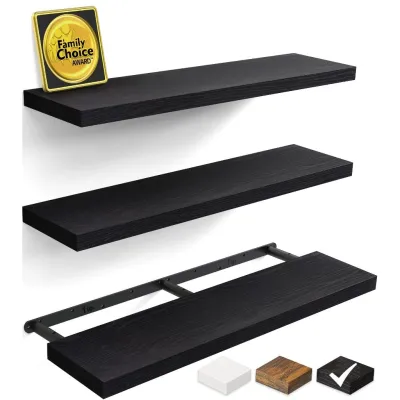
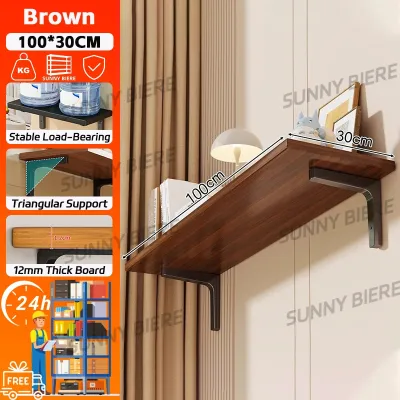
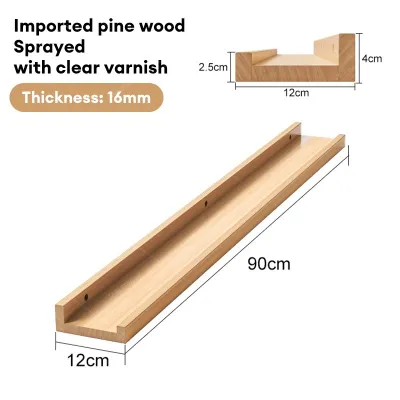
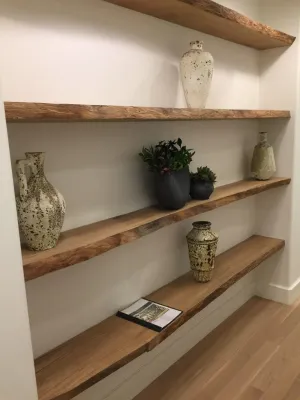
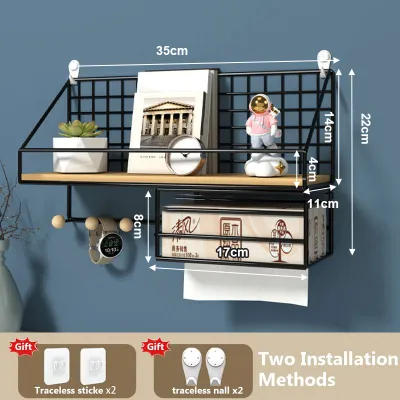
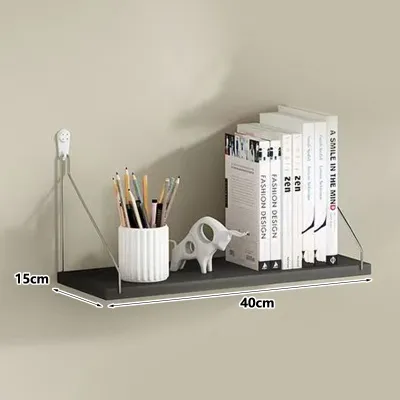
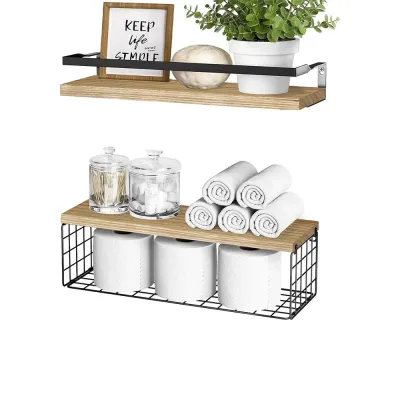
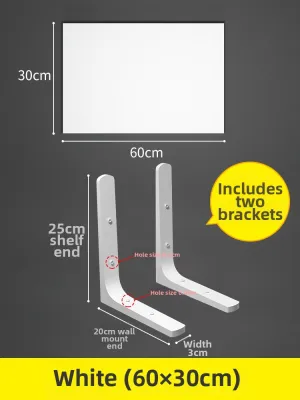
Prices are valid at publication and may change. Please refer to the product page for the latest price.
Additionally, consider the vertical spacing between multiple shelves if you plan to install a tiered system. Ensure there is enough vertical clearance to easily retrieve books or files without scraping your hands or damaging the shelf above. Planning these dimensions beforehand prevents the frustration of purchasing a shelf that is physically incompatible with your daily workflow.
Key Selection Criteria for Wooden Floating Shelves
When browsing product listings, look beyond the visual appeal of the wood grain and focus on the technical specifications provided by the manufacturer. High-quality floating wooden shelves rely on a combination of robust materials and precise engineering to remain level under load. You should carefully inspect the product descriptions for details regarding the core material, the surface finish, and the exact components included in the mounting kit.

Additionally, review the manufacturer’s care and maintenance guidelines to ensure the shelf can withstand the environmental conditions of your workspace. In the Philippines, indoor humidity levels can fluctuate significantly, especially in rooms without continuous air conditioning. Wood that is not properly treated or sealed can absorb moisture from the air, leading to warping, swelling, or mold growth over time. Ensuring the product is rated for your specific indoor environment is a crucial step in selecting a long-lasting storage solution.
Furthermore, pay attention to the joint construction of the shelf. Shelves made with mitered joints or reinforced internal frames tend to hold their shape better under stress than those held together solely by basic adhesives. Checking these structural details in the product description helps you avoid low-quality options that may degrade quickly.
Wood Types and Surface Finishes
To verify material quality, check the manufacturer’s specifications for the exact type of wood used. Solid hardwoods, such as acacia, mahogany, or rubberwood, are highly valued for their natural density and resistance to bending under weight. Engineered wood alternatives, including medium-density fiberboard (MDF) or particleboard with a wood veneer, are also common and offer a uniform appearance at a lower weight. However, engineered options may be more susceptible to moisture damage if the protective outer layer is compromised.
Examine the product details for protective coatings, such as polyurethane, lacquer, or water-resistant varnishes. A well-sealed surface not only protects the wood from humidity but also makes it easier to clean and more resistant to scratches from sliding binders or metal office supplies. If the product description does not explicitly state the type of finish or sealant used, treat the shelf as a light-duty decorative item rather than a heavy-duty storage solution.
Keep in mind that natural wood expands and contracts slightly with seasonal temperature changes. A high-quality sealant minimizes this movement, preserving the integrity of the pre-drilled mounting holes and ensuring the shelf remains tightly secured to its internal bracket over years of use.
Bracket Systems and Hidden Hardware
The strength of a floating shelf is largely determined by its internal support system. Review the product diagrams to compare hidden internal brackets with visible external supports. True floating shelves utilize a concealed metal bracket consisting of a backplate and protruding rods that slide into pre-drilled holes in the rear of the wooden shelf. The thickness of the metal backplate and the length of the rods are critical indicators of structural stability.
Verify that the package contents include all necessary mounting hardware, such as screws and wall plugs. Many imported shelving kits come with standard plastic anchors designed primarily for drywall. If your home office has concrete or hollow block walls, which are highly common in local residential construction, these standard plastic anchors may not provide sufficient grip. You will need to check if you must purchase specialized masonry wall plugs or expansion bolts separately to ensure a secure installation.
Additionally, inspect the alignment mechanism of the bracket. Some advanced bracket designs feature small adjustment screws that allow you to fine-tune the angle of the shelf after mounting, helping you correct minor leveling errors without re-drilling holes in your wall.
Evaluating Weight Capacity and Structural Stability
Determining the actual weight capacity of a floating shelf is essential to prevent structural failure and protect your valuable office equipment. Never assume a shelf’s load capacity based solely on its material name or thickness. Instead, locate the manufacturer’s official weight rating, which is typically specified in kilograms. This rating represents the maximum load the shelf can safely support when installed correctly according to the provided instructions.
It is also important to distinguish between static and dynamic loads. A static load refers to stationary items that remain in place, such as books, files, or decorative items. A dynamic load involves movement, such as repeatedly lifting and replacing heavy reference manuals, or placing a printer on the shelf that vibrates during operation. Dynamic forces place additional stress on the mounting brackets and wall anchors. If you plan to store items that are frequently moved, select a shelf with a weight rating that comfortably exceeds the total weight of your items.
If your storage requirements exceed the weight limits specified by the manufacturer, do not attempt to overload the shelf. Overloading can cause the wooden shelf to bow, the internal brackets to bend, or the wall anchors to pull out of the wall entirely. In cases where you need to store exceptionally heavy items, such as extensive archives of paper documents or heavy office machinery, consider alternative furniture solutions like freestanding bookcases, or consult a qualified professional to custom-build a reinforced shelving system.
Remember that the stated weight capacity is only valid if the shelf is mounted to a compatible wall type using the correct hardware. A shelf rated for 15 kilograms on a solid concrete wall may only support a fraction of that weight if installed on a thin drywall partition without proper stud support.
Installation Requirements and Wall Compatibility
Before finalizing your purchase, you must identify the construction material of your home office walls. In the Philippines, residential walls are frequently constructed from solid concrete, hollow concrete blocks, or lightweight drywall partitions. Each of these wall types requires a completely different installation approach and hardware set. Mounting a shelf on a solid concrete wall provides a high level of stability, but it requires a hammer drill, masonry drill bits, and heavy-duty expansion anchors.
If your office walls are made of hollow concrete blocks, standard masonry plugs may slip or fail to hold securely within the hollow cavities. In this scenario, you must use specialized toggle bolts or sleeve anchors designed for hollow masonry. For drywall partitions, which are common in newer condominium units or renovated office spaces, you must locate the wooden or metal studs behind the drywall using a stud finder. Mounting the shelf brackets directly into the studs is the most reliable way to achieve a secure hold; relying solely on drywall anchors will drastically reduce the shelf’s weight capacity.
Always prioritize safety during the installation process. If you encounter structural uncertainties, such as uneven wall surfaces, or if you suspect the presence of hidden electrical wiring or plumbing pipes behind the wall, halt the DIY installation immediately. Hiring a qualified local contractor or carpenter ensures that the shelves are mounted safely and level, preventing costly damage to your walls and office equipment.
Additionally, ensure you have the correct tools on hand before starting, including a spirit level, a pencil for marking drill points, and protective eyewear. Taking the time to double-check your measurements and levelness before drilling will save you from dealing with crooked shelves and unsightly extra holes in your wall.
Building Your Shortlist: Where and How to Shop
To build a reliable shortlist of floating wooden shelves, utilize the search and filter functions on reputable e-commerce platforms and official furniture brand stores. Start by filtering products by their exact dimensions, focusing on the depth and length you measured during your initial space assessment. Avoid browsing broad categories without filters, as this can lead to purchasing shelves that are too small or too large for your workspace.
Carefully cross-reference the listed product specifications with your pre-measured wall space. Pay close attention to the spacing of the mounting holes on the bracket system, especially if you need to align them with wall studs in a drywall partition. Read through customer reviews to look for real-world feedback regarding the quality of the included hardware and the accuracy of the wood finish descriptions.
Before adding any item to your cart, review the retailer’s return policies, shipping dimensions, and warranty terms. Since wooden shelves can be heavy and bulky, shipping fees in the Philippines can vary depending on your location. Ensure that the seller offers a clear return policy in case the product arrives with manufacturing defects, shipping damage, or missing hardware. Taking these precautions will help you secure a functional and durable shelving system for your home office.
Additionally, consider reaching out to local woodworkers or custom furniture makers if you cannot find pre-made shelves that match your exact dimensions or aesthetic preferences. Custom options allow you to select the precise wood species and finish that complement your existing office desk and cabinetry.
Frequently Asked Questions (FAQ)
Managing and maintaining your floating shelves properly ensures they remain a safe and functional part of your home office for years to come. Below are answers to common questions regarding installation and long-term care.
Can I install floating shelves on a drywall partition?
Yes, you can install floating shelves on a drywall partition, but you must take specific precautions to ensure stability. Standard drywall is not strong enough to support heavy loads on its own. You must locate the vertical studs behind the drywall and screw the mounting brackets directly into them. If the bracket alignment does not match your stud spacing, you must use specialized heavy-duty drywall anchors, such as toggle bolts. Keep in mind that mounting shelves on drywall significantly reduces the maximum weight capacity compared to concrete walls. Always adhere to the manufacturer’s reduced weight limits for hollow walls and avoid storing heavy books or equipment on these shelves. If you are unsure of the wall’s internal structure, consult a professional installer.
How do I prevent wooden shelves from sagging over time?
To prevent wooden shelves from sagging, distribute the weight of your office supplies evenly across the entire surface. Avoid placing all heavy items in the center of the shelf; instead, position the heaviest books and documents closest to the wall brackets where the support is strongest. Regularly inspect the shelves for any visible signs of bowing, tilting, or loosening of the hardware. If you notice any deformation or if the shelf begins to pull away from the wall, immediately remove the items and reduce the overall load. Choosing shelves made of solid hardwood or high-quality engineered wood with a robust internal bracket system will also minimize the risk of sagging over time.

Community discussion
Share your experience or ask a question. Comments are reviewed before publication.