
Quick Guide to Small Storage for Moving
Small storage containers are the unsung heroes of a successful house move, especially when navigating the unique challenges of relocating in the Philippines. While large boxes are tempting for packing bulk items, relying solely on oversized boxes often leads to overloaded, structurally compromised packages that are difficult to lift and prone to breaking. Small containers play a critical role in isolating and protecting your most valuable, fragile, or exceptionally dense belongings during transit.
When planning a move, locally known as lipat bahay, you must balance container durability, weight limits, and space efficiency. A small container allows you to distribute heavy items like books or hand tools into manageable loads while keeping delicate electronics or glassware shielded from external pressure. Achieving this balance requires a systematic approach: first assess your belongings, then evaluate your transit conditions, and finally verify product specifications before making any purchases.
What to Look for in Small Moving Containers
Selecting the right small storage containers requires looking past aesthetic appeal and focusing on structural specifications. The material thickness and overall structural integrity of a container are paramount. Do not assume a plastic bin is strong simply because it is made of plastic; instead, inspect the container for reinforced corners, ribbed walls, and a sturdy base. These design features distribute weight more evenly and prevent the container from bowing or cracking when stacked. Always check the manufacturer’s weight limits, which are typically printed on the product label or molded directly into the bottom of the container.
Products mentioned in this guide
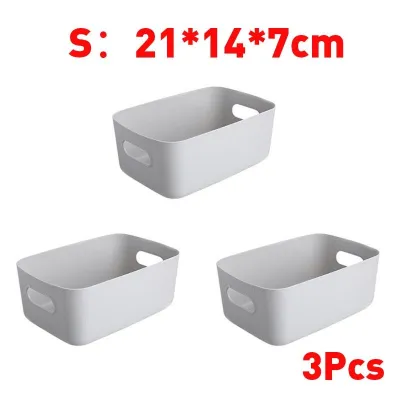
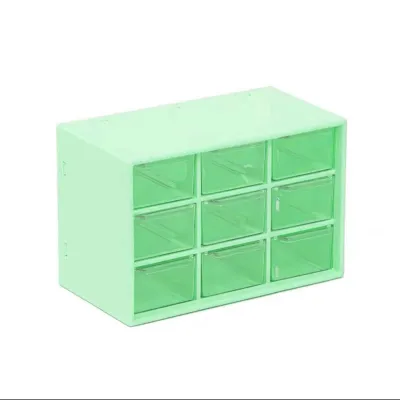
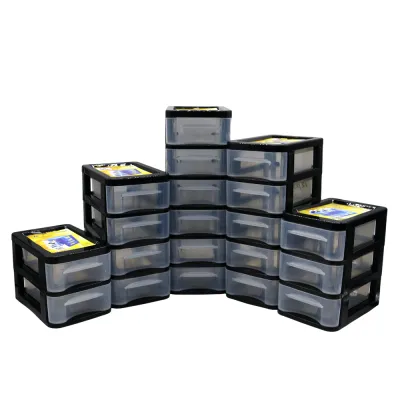
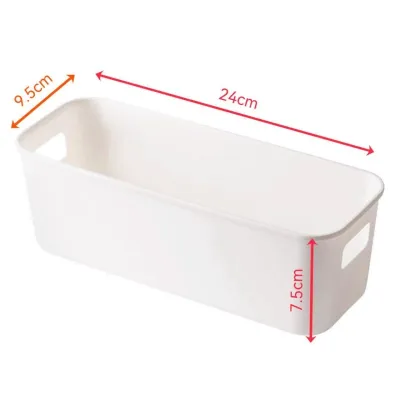
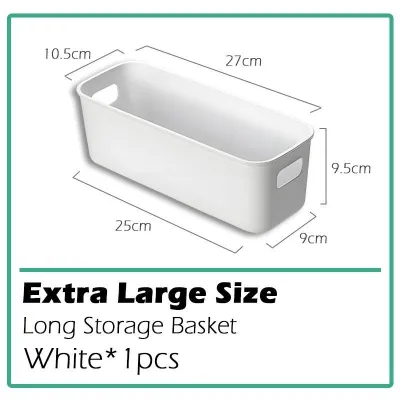
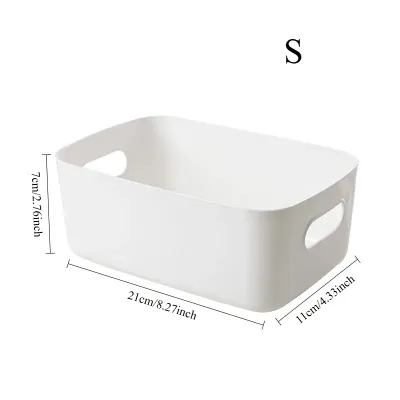
Prices are valid at publication and may change. Please refer to the product page for the latest price.

Lid security and latching mechanisms are equally critical for preventing accidental spills during transit. Look for containers featuring robust snap-lock handles, heavy-duty latches, or locking buckles that secure the lid firmly to the base. A secure lid not only keeps your belongings inside but also prevents dust, pests, and tropical humidity from entering. Furthermore, evaluate the stackability of the containers by checking if the lids feature recessed channels designed to nest the bases of matching units securely, preventing them from sliding when the transport vehicle is in motion.
Handle design and ergonomics directly impact how safely and comfortably you can transport dense loads. When carrying heavy items up and down narrow stairwells or through tight corridors, poorly designed handles can cause hand fatigue or accidental drops. Prioritize containers with molded, integrated handles that offer a comfortable grip without sharp plastic edges. If you anticipate carrying heavy loads over longer distances, look for handles with soft-grip inserts or wider profiles that distribute pressure across your hands more comfortably.
Finally, compare the outer dimensions of the containers with standard moving boxes and the cargo space of your transport vehicle. Opting for modular dimensions allows you to pack containers tightly against one another, minimizing empty spaces that cause shifting during transit. Standardizing your container sizes makes it much easier to calculate how many units can fit side-by-side or stack vertically, maximizing the efficiency of your moving vehicle.
Matching Container Types to Your Belongings
A one-size-fits-all approach to packing often leads to damaged goods, as different household items have distinct vulnerabilities to pressure, moisture, and impact. To ensure maximum protection, you should categorize your belongings and match them with specialized small storage solutions. Grouping your items logically allows you to select the material, closure type, and structural design best suited for each category.
Fragile Items, Glassware, and Electronics
Fragile items, delicate glassware, and sensitive electronics require rigid-walled containers that resist external compression. When packing these items, choose small containers that are compatible with internal dividers, foam inserts, or bubble wrap cushioning. The rigid walls of a high-quality plastic bin act as a protective shield, preventing external forces from crushing the delicate items inside during sudden stops or bumpy rides.
Moisture and dust protection are also vital for electronics and delicate glassware. Verify that the containers you select feature secure, snap-fit lids that create a tight seal against environmental elements. This is particularly important during the Philippine rainy season, when high humidity and sudden downpours can introduce moisture into the moving vehicle. Additionally, keep weight distribution in mind; avoid packing too many heavy glass or metal items into a single small container, as concentrated pressure can damage the items or cause the container base to fail.
Documents, Books, and Dense Small Items
Books, files, and small hardware items are deceptively heavy and can easily overload standard storage units. For these high-density loads, prioritize small containers with reinforced bases and heavy-duty latches. A reinforced base prevents the bottom of the container from sagging under heavy weight, while strong latches ensure the lid remains securely attached even when the container is lifted and moved.
To keep the total weight of each container within a safe, liftable range, intentionally limit the volume of the containers you purchase for these items. Opting for smaller capacities ensures that even when filled entirely with dense books or documents, the container remains manageable for one person to carry. Always verify the manufacturer’s stated maximum load capacity on the product label before packing to prevent structural failure and avoid personal injury.
Clothing, Linens, and Soft Goods
Soft goods such as clothing, linens, and bedding require protection from moisture, dust, and pests rather than structural shielding. In the humid tropical climate of the Philippines, storing fabrics in non-airtight containers can lead to musty odors or mold growth during a move. Opt for small, airtight, or highly water-resistant plastic bins that seal out ambient air and moisture, keeping your fabrics fresh and clean.
If you need to maximize space within your moving vehicle, evaluate whether the containers are compatible with vacuum-seal bags. Placing vacuum-compressed bags of clothing inside small, rigid containers allows you to pack a high volume of textiles into a compact footprint while protecting the bags from accidental punctures. For irregularly shaped soft goods that do not require rigid protection, flexible or collapsible fabric organizers with zippered closures offer a lightweight, space-saving alternative that can be easily tucked into tight spaces.
Space, Weight, and Transit Checks Before You Buy
Before purchasing a large quantity of small storage containers, you must validate your physical environment and moving logistics to ensure they will function as intended. Begin by measuring the available cargo space in your moving vehicle, whether you are hiring a local moving service, using a personal utility vehicle, or renting a truck. Compare these measurements to the outer dimensions of the containers to plan how many units can fit side-by-side and how high they can be safely stacked without obstructing the driver’s view or exceeding the vehicle’s height limits.
Next, check the clearances of all doorways, stairwells, and elevators in both your current residence and your new home. In many Philippine urban areas, narrow townhouse staircases, low-hanging light fixtures, and compact condominium elevators present significant maneuvering challenges. Carrying oversized or awkwardly shaped containers through these tight spaces can lead to wall damage or dropped items. Choosing small, modular containers with ergonomic handles ensures you can navigate these architectural bottlenecks safely and efficiently.
Planning your stacking sequence is another critical step in preventing transit damage. As a general rule, heavier, rigid plastic containers must always form the base of your stack to provide a stable foundation. Lighter, more flexible, or fabric containers should be placed on top to prevent them from being crushed. Never stack heavy items on top of fragile containers, even if those containers feature rigid lids. Additionally, consider the total weight of the stack; exceeding the load capacity of the bottom container can cause it to crack or collapse over time.
Sourcing Containers and Verifying Specifications
When sourcing small storage containers, it is beneficial to compare options across physical hardware stores, home goods retailers, and online marketplaces. Physical retail stores allow you to inspect the containers firsthand, enabling you to feel the material thickness, test the latching mechanisms, and assess the comfort of the handles. Online marketplaces and ecommerce platforms offer convenience and a broader selection of sizes, but you must rely heavily on written product descriptions and specifications.
To make an informed purchase, carefully read the product labels and manufacturer specifications. Look for precise outer dimensions, weight capacities, and material grades, such as high-density polyethylene (HDPE) or polypropylene (PP), which are known for their durability. If you are budgeting for your move, expect to find quality small utility containers ranging from ₱150 to ₱500 per unit, depending on the material grade and locking features.
Be cautious of unverified marketing claims regarding waterproofing, drop-resistance, or extreme durability. Unless a product references official testing standards or certifications, treat claims of absolute protection with skepticism. If a container does not feature a certified seal, assume it is water-resistant rather than completely waterproof, and take extra precautions—such as wrapping sensitive items in plastic bags—if you anticipate moving during inclement weather.
Frequently Asked Questions (FAQ)
Can I repurpose small food containers for moving household items?
Repurposing small food containers for moving household items is generally not recommended due to differences in material thickness and structural design. Food-grade containers are engineered for static kitchen storage and are typically much thinner and more flexible than utility storage bins. They lack the reinforced bases, sturdy corners, and heavy-duty latches required to withstand the vibrations, impacts, and stacking pressures of vehicle transit. Under the weight of dense, non-food items like tools, hardware, or heavy decorative pieces, food container lids can easily pop off, and the plastic walls may crack, risking damage to your belongings.
How do I keep small containers from shifting inside the moving vehicle?
To keep small containers from shifting during transit, you can employ several practical securing methods. Laying non-slip rubber mats on the floor of the moving vehicle provides excellent friction, preventing the base of your stacks from sliding. Secure the containers vertically and horizontally using bungee cords, tie-down straps, or cargo nets anchored to the vehicle’s tie-down points. You can also fill empty spaces between container stacks with moving blankets, crumpled packing paper, or soft items like pillows to absorb shocks and prevent lateral movement. Alternatively, group multiple small containers inside a larger, standard moving box to keep them organized and prevent individual units from tipping over.

Community discussion
Share your experience or ask a question. Comments are reviewed before publication.