
Transforming a high-quality camping table into a semi-permanent home fixture is an excellent way to maximize limited space, especially in urban Philippine condominiums. The campingmoon igt table system offers a rugged, modular framework that transitions seamlessly from the rugged campsite to a sleek, modern balcony bar station. By selecting the right combination of flat inserts, hanging rails, and low-profile seating, you can establish an inviting outdoor lounge corner perfect for evening wind-downs or weekend gatherings.
Setting up this modular system requires careful planning around your balcony’s dimensions, local weather conditions, and structural rules. Because the Philippines experiences high humidity, intense tropical sun, and sudden monsoon downpours, your setup must prioritize stability, material protection, and smart space planning. This guide walks you through the entire process of measuring, configuring, assembling, and maintaining your new balcony bar corner.
Assessing Your Balcony Space and Camping Moon IGT Table Configuration
Before purchasing or unboxing your modular system, you must evaluate the physical constraints of your balcony. Begin by measuring the exact usable floor area where the station will reside. Keep in mind that a functional bar requires more than just the physical footprint of the table; you must allocate at least 60 to 75 centimeters of clearance around the perimeter to allow for comfortable standing, walking, and pulling out chairs without hitting the balcony railing or glass doors.
Products mentioned in this guide
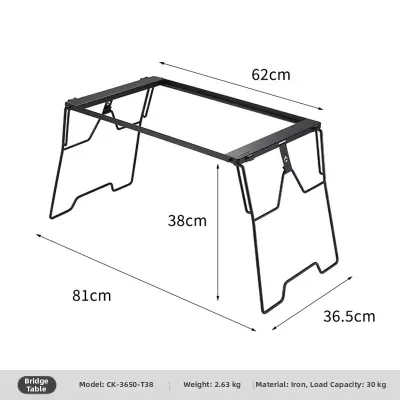
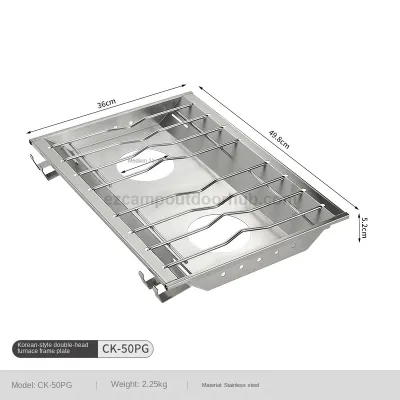
Prices are valid at publication and may change. Please refer to the product page for the latest price.
Logistics play a vital role in a seamless installation. Measure the clear width of your balcony doors, interior hallways, and condominium elevators. While the table frame is collapsible, knowing these dimensions ensures you can transport the fully assembled unit or large modular components to your outdoor space safely without scraping walls or damaging door frames.
Next, define how you intend to use the bar station on a daily basis. If your primary goal is mixing drinks and serving light snacks, you will want to maximize continuous, flat countertop space by choosing solid wood or stainless steel insert plates. If you plan to use it for occasional outdoor cooking, you might reserve one section for a compatible burner, but you must balance this with the need for stable prep surfaces.
Finally, consult your building’s condominium association or property management guidelines. Many residential towers in the Philippines enforce strict regulations regarding the maximum weight capacity of balconies, the use of open-flame cooking equipment, or the installation of semi-permanent outdoor fixtures. Ensuring your planned layout complies with these rules prevents future disputes and safety hazards.
Gathering Tools and Modular Accessories
While the modular frame is designed for straightforward assembly, having the right tools on hand prevents frustration and protects the unit’s finish. Most modular tables include the basic hex keys or wrenches required for assembly, but keeping a soft rubber mallet nearby can help gently nudge stubborn joints into place without denting or scratching the powder-coated metal frame.

Protecting your balcony flooring is another essential step. Metal table legs can easily scratch ceramic tiles or outdoor wood decking when shifted, and they can produce scraping noises that disturb neighbors. Placing a durable, weather-resistant outdoor rug or thick rubber floor protection pads beneath the legs dampens sound and keeps your balcony surfaces pristine.
To convert the camping frame into a functional bar, you will need a specific set of modular accessories. Look for solid bamboo or stainless steel flat insert boards to cover open frame sections, creating a smooth surface for glasses and plates. Side hanging rails, small storage baskets, and drop-in plastic or metal bins are also invaluable for organizing bar tools, garnishes, and ice close at hand.
Lastly, assemble a basic maintenance kit tailored for mixed-material outdoor furniture. This should include microfiber cloths, a mild pH-neutral dish soap, a rust-inhibiting spray or metal protectant, and a food-safe wood oil if you plan to use bamboo or timber inserts. Having these supplies ready from day one makes routine care much easier to manage.
Assembling the Frame and Installing Bar Modules
Building the Base IGT Frame
To begin the assembly, clear your balcony floor and lay down a protective mat or the cardboard packaging from the table. This clean, cushioned surface prevents the metal components from getting scratched and keeps small screws or locking pins from rolling away or falling through balcony drainage slots.
Unfold or align the main horizontal frame members according to the manufacturer’s instructions, then begin attaching the legs. Pay close attention to the locking mechanisms, whether they are spring-loaded pins, threaded collars, or quick-release clamps. Ensure each connection is fully engaged and tightened securely; a loose leg joint compromises the overall stability of the bar, which is highly dangerous when supporting glassware and liquids.
Once the frame is standing, place it in its designated spot and check for levelness. Balcony floors in the Philippines are intentionally sloped toward floor drains to prevent water pooling during heavy tropical rains. Use the adjustable foot caps on the table legs to compensate for this gradient, adjusting each corner until the tabletop frame sits perfectly level and does not wobble when light pressure is applied.
Configuring Inserts for a Bar Setup
With the sturdy base frame secured, you can begin customizing the top layout specifically for bar operations. Remove any specialized camping inserts that do not serve your balcony setup, such as deep washbasins, heavy wire grills, or deep-dish charcoal trays. Replace these open sections with flat insert boards, arranging them to create a continuous, unbroken countertop that maximizes your prep and serving areas.
If you choose to use a drop-in cooler box or a shallow storage bin for ice and cold bottles, position it at one end of the table rather than the center. This placement ensures that the active prep space remains open and that the user’s seating or standing position is not blocked by hanging under-table compartments.
Next, install your side accessories along the outer utility tracks of the frame. Slide and lock hanging rails into place to hold bar towels, tongs, or hanging cup holders. If you have side shelves or spice racks, mount them securely to the frame’s exterior channels to keep small items like jiggers, bitters, and fresh garnishes organized without cluttering the main countertop.
Double-check that all modular inserts sit completely flush with the surrounding frame edges. Any uneven lips or gaps can cause glasses to tip over or allow spilled liquids to run directly into the lower storage compartments, creating unnecessary mess and potential slip hazards on your balcony floor.
Styling the Lounge Corner and Matching Seating
One of the most important aspects of setting up a campingmoon igt table as a home bar is managing the physical ergonomics of the space. Traditional bar stations rely on high countertops paired with tall bar stools, but modular camping tables are naturally built lower to the ground for outdoor stability. Before buying chairs, measure the exact height of your table frame. You will likely find that standard bar stools are far too high; instead, select low-profile outdoor lounge chairs, folding camp chairs with a structured seat, or thick floor cushions that allow you to sit comfortably with your knees at a natural angle relative to the tabletop.
To make the most of the compact tabletop, organize the surface into three distinct functional zones. Designate one side as the dry prep area for cutting garnishes and placing clean glassware. Use the middle or opposite side as the wet mixing zone where shakers, ice, and bottles reside, and set aside a clear front section as the serving zone where guests can easily pick up their drinks.
Creating the right atmosphere is key to transforming a simple balcony into a relaxing lounge corner. Avoid harsh overhead utility lights and instead opt for warm, ambient lighting. Weather-resistant, solar-powered string lights draped along the balcony railing or battery-operated LED lanterns placed on the lower shelves of your table provide a soft, inviting glow without requiring complicated or unsafe outdoor electrical wiring.
Incorporate high-quality, outdoor-rated textiles to soften the metal and wood textures of the table. Look for seat cushions made from moisture-wicking, UV-resistant fabrics that can withstand the intense Philippine sun and occasional wind-blown rain. Adding a small, mold-resistant outdoor rug under the seating area further defines the lounge space, making it feel like a true extension of your indoor living room.
Weatherproofing and Routine Maintenance
Because your bar station will be exposed to the elements, establishing a strict maintenance routine is vital to protect your investment. The high humidity and salty air common in coastal and tropical regions of the Philippines can accelerate rust on metal components. Wipe down the iron or steel frame regularly with a soft, dry microfiber cloth to remove dust and condensation, and periodically apply a thin coat of a specialized metal protectant spray to seal the surface against moisture.
Wooden and bamboo insert boards require dedicated care to survive outdoor conditions. The combination of intense heat and sudden rain can cause natural wood fibers to swell, warp, crack, or develop mold. To prevent this, apply a food-safe mineral oil or bamboo conditioner to the inserts every few months, ensuring the wood remains hydrated and water-resistant. Always dry the inserts thoroughly after cleaning or after a rainstorm.
When the bar station is not in use, protect it from the elements with a high-quality, custom-fitted furniture cover. Choose a cover made from a breathable, waterproof fabric that secures tightly around the legs to prevent it from blowing away during high winds or afternoon thunderstorms. This is especially critical during the wet typhoon season, when keeping the table completely covered can dramatically extend its lifespan.
Finally, perform a quick structural inspection of the table every few months. Temperature fluctuations, humidity changes, and regular use can cause screws, joints, and modular locking pins to loosen slightly over time. Spend a few minutes checking all connections and retightening any loose hardware to ensure your balcony bar station remains safe, stable, and ready for your next relaxing evening.

Community discussion
Share your experience or ask a question. Comments are reviewed before publication.