
Transforming a small balcony into a relaxing outdoor retreat does not require a massive renovation or permanent, bulky furniture. With a versatile, livable folding table, you can easily set up a functional bar corner that serves as a morning coffee spot, a breezy afternoon workspace, or an intimate evening lounge. This flexible setup allows you to maximize your outdoor square footage, especially in compact urban condominiums where space is at a premium.
Creating a cozy balcony bar is all about balancing comfort, style, and weather-resistant practicality. By choosing the right layout, pairing your table with space-saving seating, and adding thoughtful decorative touches, you can establish a welcoming escape right outside your door. Whether you want to enjoy the cool evening breeze or watch the sunset over the city skyline, a well-planned balcony bar offers a private sanctuary that adapts to your daily needs.
Assess Your Balcony Space and Table Placement
Before purchasing any furniture or accessories, you must carefully evaluate the physical dimensions and structural layout of your balcony. Start by measuring the clear floor space using a standard tape measure, noting any architectural features like structural pillars, sliding door tracks, or drainage grates. Ensure you leave at least 60 to 70 centimeters of clearance behind your seating area so you can pull out stools and walk around safely without bumping into the walls or glass doors.
Products mentioned in this guide
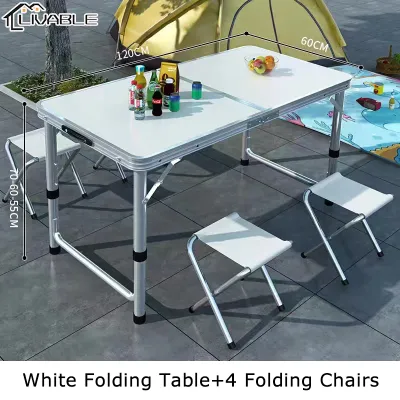
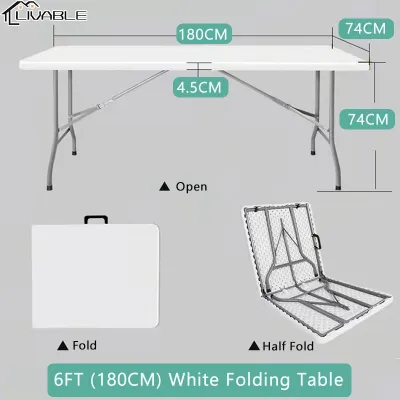
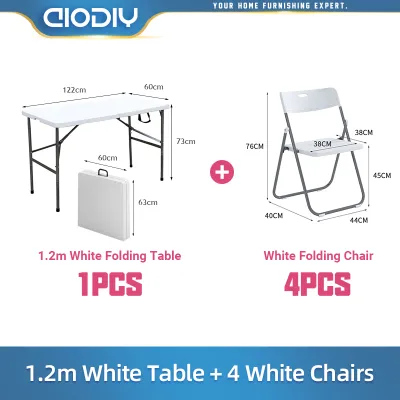
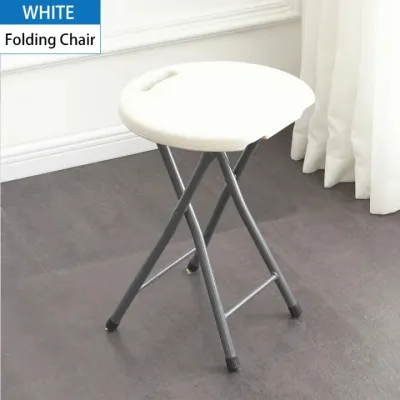
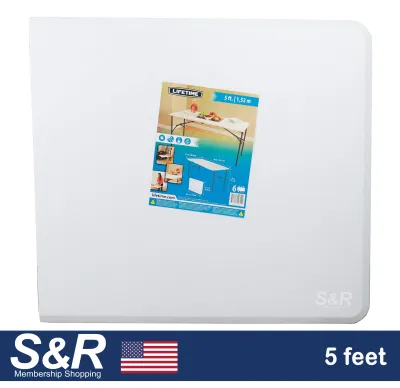
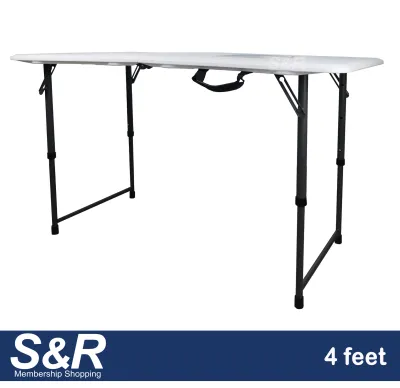
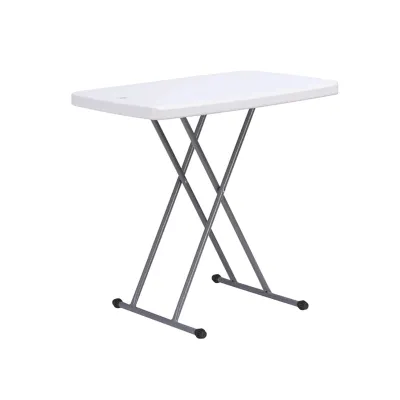
Prices are valid at publication and may change. Please refer to the product page for the latest price.
Railing height and design are critical factors when planning your table placement and seating configuration. Measure from the balcony floor to the top edge of your railing to determine how high your table should sit for a comfortable view. If you plan to mount a folding table directly onto the railing, verify that the railing structure is sturdy, level, and capable of supporting both the weight of the table and any items placed on top. For freestanding folding tables, ensure the tabletop sits at a height that allows you to lean comfortably without blocking your view of the surrounding landscape.
Outdoor surfaces in tropical climates can be uneven due to slope requirements for rainwater drainage. Inspect your balcony floor to identify any slope or uneven tiles that might cause a freestanding folding table to wobble or tip. Look for tables with adjustable leveling feet, or plan to position your setup on the flattest section of the balcony to ensure stability. Additionally, check the manufacturer’s specified weight capacity for your folding table to ensure it can safely support heavy serving trays, bottles, and decorative items without bowing or collapsing.
Choose Complementary Seating and Bar Accessories
Selecting the right seating is essential for ensuring comfort and maintaining a cohesive design aesthetic in your balcony bar. To achieve an ergonomic setup, you must match the height of your stools to the height of your folding table. Standard counter-height tables, which typically stand around 90 centimeters tall, pair best with stools that have a seat height of 60 to 65 centimeters. If your folding table is a true bar-height model of around 100 to 105 centimeters, look for bar stools with a seat height of 75 to 80 centimeters to allow comfortable legroom.

Because balcony space is often limited, prioritize seating that can be easily tucked away when not in use. Foldable bar stools or stackable metal chairs are excellent choices, as they can be stored in a utility closet or stacked neatly in a corner when you need to clear the balcony floor. Look for lightweight materials like powder-coated steel, aluminum, or high-density polyethylene that are easy to move but sturdy enough to withstand windy conditions on higher floors. Budget-friendly options often range from ₱1,500 to ₱3,500 per stool, allowing you to build a stylish setup without overspending.
Your choice of bar accessories should focus on durability and space efficiency to prevent clutter and accidental breakage. Opt for shatterproof drinkware made of high-quality acrylic or polycarbonate, which mimics the look of glass but will not shatter if dropped on hard balcony tiles. A compact, non-slip serving tray is highly useful for carrying drinks and snacks from the kitchen to the balcony in a single trip. Keep your tabletop organized by using small, weighted containers for napkins and coasters to prevent them from blowing away in sudden gusts of wind.
Add Lighting and Textiles for a Cozy Atmosphere
Layering soft lighting and weather-resistant textiles is the key to transforming a sterile outdoor space into a warm, inviting lounge. To avoid the safety hazards of running extension cords through open balcony doors, rely on battery-operated or solar-powered lighting solutions. String lights draped along the railing or woven through a privacy screen create a soft, ambient glow that sets a relaxing mood. You can also place heavy, wind-resistant solar lanterns on the floor or tabletop to provide localized illumination without glare.
Textiles add essential texture and comfort, but they must be specifically rated for outdoor use to survive high humidity and intense sunlight. Look for outdoor-rated cushions made from solution-dyed acrylic fabrics, which resist fading from ultraviolet rays and dry quickly after a rain shower. A small, flat-weave outdoor rug made of polypropylene can help define your bar zone, cushion your feet against hot tiles, and add a splash of color or pattern to the space. Always store cushions indoors when they are not in use to prolong their lifespan and prevent mold growth.
To enhance the sense of privacy and create a lush, natural backdrop, incorporate vertical greenery into your balcony layout. A simple wooden or metal trellis placed behind your folding table can support climbing plants or hold small hanging pots, blocking the view from neighboring units. Choose hardy, tropical plants that thrive in your balcony’s specific light conditions, whether that means sun-loving bougainvillea or shade-tolerant ferns. These natural elements not only soften the hard lines of the building but also help absorb ambient city noise.
Step-by-Step Arrangement and Styling Guide
Begin your physical setup by positioning your folding table in its designated spot, ensuring it does not block emergency exit routes or drainage paths. If you are using a wall-mounted or railing-hung folding table, double-check that all brackets, clamps, and safety pins are fully engaged and locked securely. For freestanding tables, open the legs completely until the locking mechanisms click into place, then test the stability by applying gentle downward pressure on different areas of the tabletop.
Once the table is secure, arrange your bar stools to optimize both the view and the flow of movement. Position the stools so that guests face outward toward the view, but leave enough space between them to allow for easy conversation and comfortable arm movement. Ensure there is a clear path from the balcony door to the seating area, keeping the walkway free of cords, large planters, or decorative items that could present a tripping hazard.
Style the tabletop with a minimalist approach to keep the area functional and uncluttered. Start with a simple, weather-resistant table runner or placemats to add a layer of color and protect the surface from scratches. Place a small, weighted tray in the center or to one side to hold your shatterproof glassware, a bottle opener, and a small bowl of snacks. Finish the look by adding a single potted succulent or a compact lantern as a centerpiece, leaving ample open space for drinks, plates, or a laptop.
Maintain and Store Your Balcony Bar Setup
Establishing a regular maintenance routine is crucial for protecting your folding table and accessories from the harsh outdoor elements. After each use, wipe down the tabletop and frame with a soft microfiber cloth dampened with mild soapy water to remove dust, pollen, and beverage spills. Avoid using abrasive scrubbing pads or harsh chemical cleaners, which can scratch the protective finish or degrade the material over time. Always dry the surfaces thoroughly with a clean towel to prevent water spots and mineral buildup.
During periods of heavy rain, high winds, or typhoons, you must take proactive steps to secure your balcony furniture. Fold your table and stools and store them indoors, or move them to a highly sheltered area of your home to prevent them from being damaged or blown away. If indoor storage space is unavailable, invest in heavy-duty, fitted waterproof covers with adjustable straps or drawstrings that can be tightened securely around the folded furniture.
Periodically inspect the moving parts, hinges, and joints of your folding table to ensure they remain in safe working condition. Look for signs of rust, loose screws, or structural wear, especially after periods of high humidity or heavy rainfall. If you notice stiffness in the folding mechanism, apply a small amount of silicone-based lubricant to the joints as recommended by the manufacturer. Tighten any loose hardware immediately to maintain the structural integrity and stability of your balcony bar setup.
Frequently Asked Questions (FAQ)
Can I leave my folding table outside all year round?
Most folding tables are designed for temporary outdoor use and should not be left exposed to the elements indefinitely. Prolonged exposure to intense tropical sunlight, high humidity, and heavy rain can cause materials to fade, warp, crack, or rust over time. To maximize the lifespan of your table, check the manufacturer’s specific guidelines regarding weather resistance and outdoor storage. It is highly recommended to fold and store the table indoors when it is not in use, or to protect it with a high-quality, waterproof furniture cover during the rainy season.
What is the best height for a balcony bar table?
The ideal height for a balcony bar table depends on your personal preference and whether you want a standard counter-height or a traditional bar-height setup. Counter-height tables typically stand between 85 and 95 centimeters tall and offer a casual, versatile surface that works well for dining or working. Bar-height tables generally range from 100 to 110 centimeters tall, providing an elevated view over balcony railings and creating a distinct lounge atmosphere. Before purchasing, measure your balcony railing height and any existing stools to ensure the table height allows for comfortable seating and an unobstructed view.

Community discussion
Share your experience or ask a question. Comments are reviewed before publication.