
Setting up an ant-proof storage system inside your wardrobe is one of the most effective ways to protect your clothing from persistent pests, especially in warm, humid tropical climates like the Philippines. Ants are constantly searching for moisture, shelter, and organic residues, making a dark, undisturbed closet an ideal nesting ground. By combining physical barriers, strategic organization, and regular maintenance, you can create an impenetrable environment that keeps your garments safe and clean. This guide walks you through the practical steps to transform your wardrobe into a secure, pest-free zone.
Assess Your Wardrobe and Identify Ant Entry Points
To build a reliable defense system, you must first understand how pests are entering your closet. Begin by completely emptying your wardrobe. This gives you an unobstructed view of the entire structure, allowing you to identify structural vulnerabilities that are often hidden behind hanging clothes or stacked boxes.
Carefully inspect the back panel, corners, and baseboards of the wardrobe. Look for tiny gaps, cracks, or loose joints where the panels meet. Ants can navigate incredibly narrow openings, so even a hairline fracture in the wood or laminate can serve as an active entry point. Pay close attention to the areas around hinges, shelf support holes, and wire grommets.
Products mentioned in this guide
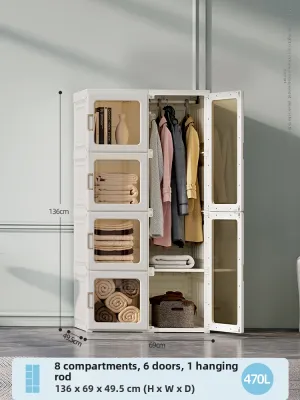
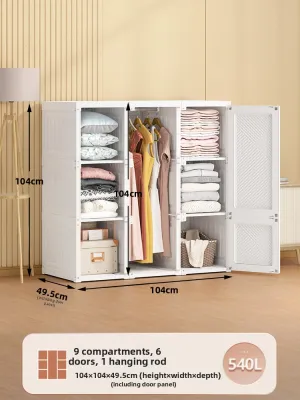
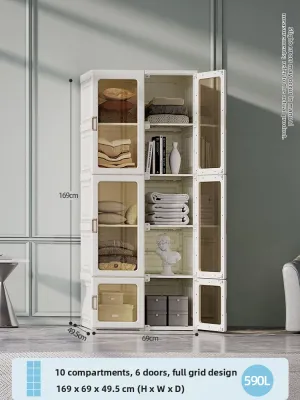
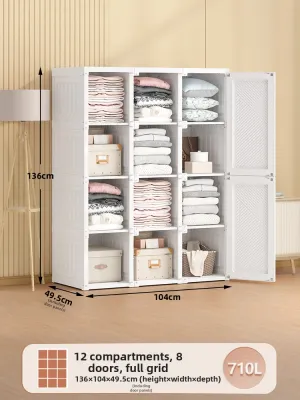
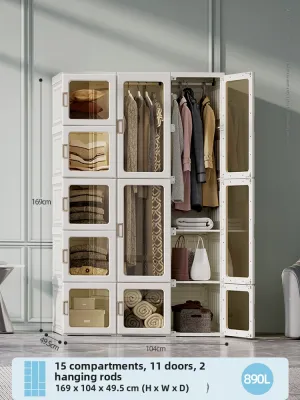
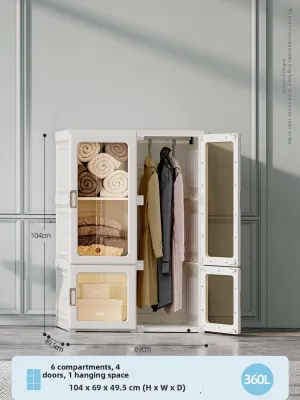
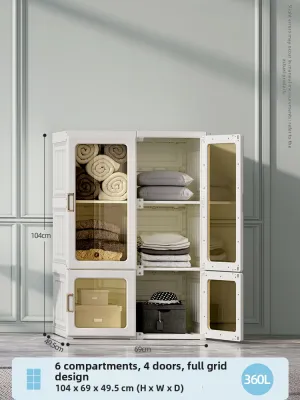
Prices are valid at publication and may change. Please refer to the product page for the latest price.
Next, check for moisture sources and damp wood. In humid environments, wardrobes positioned against exterior walls are highly susceptible to condensation. This trapped moisture can soften the wood or backing board, creating an attractive environment for nesting pests. Feel the corners for dampness, look for water stains, and note any musty odors that indicate poor ventilation.
Identify any hidden residues that might attract scouts. Even if you never store food in your bedroom, trace amounts of organic matter can draw pests. Sweet scents from perfumes, spilled body lotions, or sweat residues on worn garments are highly attractive to various ant species.
Once you have identified the problem areas, clean the interior thoroughly. Vacuum all dust, lint, and debris from the corners, drawer tracks, and shelf joints. Wipe down every surface with a mild vinegar-and-water solution to disrupt existing pheromone trails. Allow the wardrobe to dry completely with the doors open before introducing any storage containers, as trapping moisture inside will only invite mold and future pest issues.
Choose the Right Ant-Proof Storage Containers
The foundation of an ant-proof wardrobe lies in the physical barriers you choose for your clothes. Standard storage solutions like open fabric bins, zippered canvas bags, and woven baskets offer virtually no protection. Ants can easily navigate through loose fabric weaves, slip past standard zippers, or even chew through soft materials to reach organic fibers.

Instead, prioritize rigid plastic storage boxes with airtight seals. Look for containers that feature a continuous silicone or rubber gasket embedded along the inside rim of the lid. When the lid is closed, this gasket compresses to form a tight, physical barrier that prevents even the smallest insects from entering.
Examine the lid locking mechanisms carefully before making a purchase. Opt for boxes equipped with multi-point latching systems, such as heavy-duty snap-locks on the sides. The latches should require a firm, deliberate press to close, which ensures that consistent pressure is applied to the silicone seal all the way around the rim.
Consider the material quality and load capacity of both the containers and your wardrobe shelves. Choose high-density polypropylene boxes that resist cracking and warping under weight. Before stacking these containers, verify the load capacity of your wardrobe shelves to prevent bowing or structural instability. If you plan to store heavy winter wear or bedding, distribute the weight evenly across lower shelves to maintain the wardrobe’s overall stability.
Take precise measurements of your wardrobe’s interior dimensions, including the depth, width, and height of each shelf. Select container sizes that fit comfortably within these limits while leaving a clearance of at least two to three centimeters around the sides and top of each box.
This clearance is essential for maintaining proper air circulation inside the closet. Packing boxes too tightly against the wardrobe walls or each other creates stagnant air pockets. In tropical climates, these pockets trap humidity, which can lead to musty odors and mold growth on the exterior of your containers.
Step-by-Step Guide to Arranging Your Ant-Proof System
With your wardrobe clean and your airtight containers ready, you can begin the physical arrangement of your storage system. A strategic layout not only maximizes your available space but also disrupts the natural trailing behavior of pests.
Start by elevating your storage boxes off the wardrobe floor. The bottom panel of a closet is the most common pathway for crawling insects. By placing your containers on elevated shelves, low wire racks, or dedicated plastic risers, you force pests to climb vertical supports, making their trails much easier to spot and disrupt.
Position each container so that it does not make direct contact with the back or side walls of the wardrobe. Maintaining a small gap of a few centimeters prevents the wardrobe walls from acting as a direct bridge to your storage boxes. This simple physical separation forces pests to cross open, exposed surfaces where they are less likely to travel.
Integrate safe, non-toxic physical deterrents along the perimeter of your shelves and baseboards. Food-grade diatomaceous earth can be lightly dusted into deep cracks, wall joints, and behind baseboards where it remains out of reach of children or pets. For a cleaner alternative, place natural cedar blocks, dried lavender sachets, or silica gel packs on the shelves. While these natural options do not guarantee absolute protection on their own, they help deter pests and manage internal humidity.
Group your clothing items logically by frequency of use before packing them away. Sort your garments into categories such as daily wear, seasonal items, and formal attire. This organization ensures that you only open specific containers when necessary, minimizing the time the airtight seals are broken.
Place daily essentials in smaller, easily accessible containers on middle shelves at eye level. Store less frequently used items, such as heavy blankets or formal wear, in larger boxes on the upper or lower shelves. Ensure that every single garment is fully enclosed within a sealed box; leaving even a few loose items hanging on open racks provides an easy target for scouts. If you must hang delicate dresses or suits, use specialized hanging garment bags that feature sealed zipper tracks and tight gaskets around the hanger hook opening.
Maintain and Monitor Your Wardrobe Barrier
Maintaining an ant-proof wardrobe requires consistent monitoring to ensure your physical barriers remain intact over time. Even the most robust storage system can fail if seals degrade or if new entry points develop in your home’s structure.
Establish a regular inspection routine, ideally every few months, to check the condition of your storage containers. Examine the silicone gaskets for signs of drying, cracking, or flattening, which can compromise the airtight seal. Test the latches to ensure they still snap shut with sufficient tension; loose latches should be adjusted or the container replaced.
Wipe down the exterior of the containers and the wardrobe shelves with a damp microfiber cloth during your inspections. This simple step removes accumulated dust, lint, and any invisible pheromone trails that scout ants may have deposited while exploring the outside of your boxes.
Refresh your natural deterrents to maintain their effectiveness. You can lightly sand cedar blocks to expose fresh wood and reactivate their natural aromatic oils. Replace lavender sachets and swap out saturated silica gel packs with fresh ones to keep moisture levels low.
Be vigilant for structural signs of a larger pest issue. Look for fine wood dust, hollow-sounding panels, or persistent trails of ants along the baseboards behind the wardrobe. These signs often indicate that pests have established a nest within the wall cavity or the wardrobe frame itself.
Know when to transition from DIY maintenance to professional assistance. If you observe persistent infestations despite keeping all clothes sealed and surfaces clean, or if you suspect structural damage to your wardrobe, consult a qualified pest control professional. Addressing a nesting issue at its source is the only way to ensure long-term protection for your home and furniture.
Frequently Asked Questions (FAQ)
Can I use regular cardboard boxes for ant-proof storage?
Cardboard boxes are highly unsuitable for pest-prone wardrobes. Cardboard is a porous, organic material that readily absorbs moisture from the air, making it prone to structural degradation and mold in humid environments. This soft, damp material actually attracts pests as a nesting site, and ants can easily chew through the paper fibers or slip through the folded flaps. To protect your garments, always use rigid plastic containers with secure, gasket-sealed lids that provide a durable physical barrier.
How do I clean clothes that have been exposed to ants?
If you discover ants on your clothing, immediately take the affected garments outdoors and shake them thoroughly to remove the insects. Wash the clothes using the warmest water temperature permitted by the fabric care labels to eliminate any remaining pests, eggs, or invisible pheromone residues. Dry the garments completely in a dryer or under direct sunlight, as any lingering moisture will attract pests back to the wardrobe. Inspect the fabrics carefully for physical damage, fiber wear, or lingering odors before sealing them back inside your clean storage boxes.
Are chemical ant sprays safe to use inside a wardrobe?
Using chemical ant sprays inside the enclosed space of a wardrobe is generally not recommended. These pesticides can leave chemical residues on your clothing, which may cause skin irritation, allergic reactions, or fabric staining upon direct contact. Enclosed closets also trap chemical fumes, leading to persistent, unpleasant odors. Relying on physical barriers, airtight containers, and targeted external perimeter treatments around the room’s baseboards is a much safer and more effective approach to protecting your wardrobe.

Community discussion
Share your experience or ask a question. Comments are reviewed before publication.