
Setting up an efficient cabinet storage system requires a thoughtful combination of physical zoning, appropriate hanging tools, and protective storage bags. By maximizing vertical space and organizing items based on how often you wear them, you can transform a cluttered cabinet into a streamlined, functional wardrobe hub. This guide walks you through assessing your space, selecting the right accessories, and arranging your clothes to maintain order and protect your garments over time.
Assess Your Cabinet Layout and Storage Needs
Before purchasing any organizers, you must understand the physical boundaries of your cabinet. Grab a measuring tape and record the exact interior height, width, and depth of the cabinet carcass. Pay close attention to the positioning of fixed shelves, built-in drawers, and existing hanging rods, as these structural elements define your available zones. Note how far doors swing inward or whether sliding doors block access to certain corners, which can limit where you place wide drawers or deep storage bags.
Next, empty your wardrobe and sort your clothing into distinct categories: daily wear, seasonal garments, and bulky items like bedding or heavy jackets. This sorting process helps you estimate the necessary ratio of hanging space versus folded or bagged storage. If your wardrobe consists mostly of delicate dresses, collared shirts, and trousers, you will need to prioritize hanging zones. Conversely, a collection dominated by t-shirts, activewear, and thick sweaters will benefit more from shelf space and storage bags.
Products mentioned in this guide
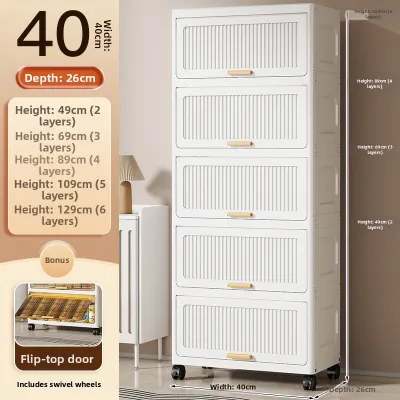


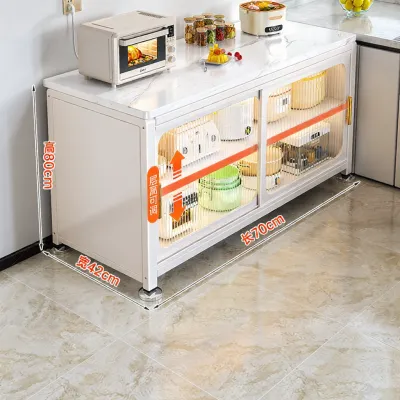
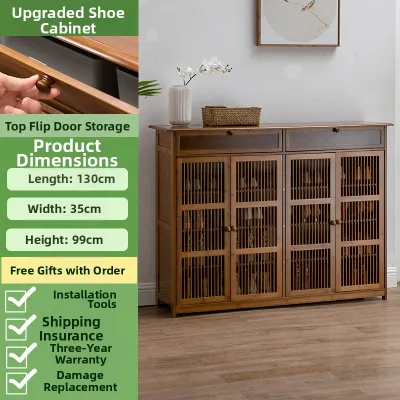
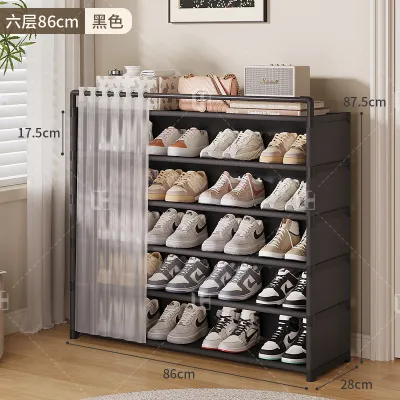
Prices are valid at publication and may change. Please refer to the product page for the latest price.
Finally, identify the structural limits of your cabinet before adding any heavy storage solutions. Check the manufacturer’s specifications to determine the maximum weight capacity of your existing hanging rods and shelves. Overloading a rod with heavy winter coats or packing shelves with dense, filled storage bags can cause sagging, warping, or even structural failure. If you cannot find the official weight limits, inspect the thickness of the panels and the sturdiness of the support brackets to make a conservative estimate of what the system can safely hold.
Select Suitable Hangers and Storage Bags
The tools you choose directly impact both the capacity of your cabinet and the lifespan of your clothing. When selecting hangers, compare their profiles against your available horizontal rod space and the weight of your garments. Slim, velvet-flocked hangers are excellent for maximizing rod space and preventing slippery fabrics from sliding off, while thick wooden hangers are better suited for supporting the weight of heavy coats and structured blazers. Avoid using thin wire hangers for heavy or delicate items, as they can bend under pressure and permanently stretch out shoulder seams.

For seasonal or bulky items, select storage bags that offer protection tailored to your local environment. In humid tropical climates, such as in the Philippines, high moisture levels can lead to mold and mildew growth on stored fabrics. Look for storage bags with product labels that specify breathable materials, dust protection, and moisture resistance. Vacuum-sealed bags are highly effective for reducing the volume of bulky bedding, but ensure that delicate natural fibers like wool or silk are stored in breathable fabric bags to prevent fiber degradation.
Always verify that the physical dimensions of your chosen storage bags match your cabinet’s shelf measurements. A storage bag should sit completely flush on an existing shelf without overhanging the edge, which could put uneven pressure on the bag or prevent the cabinet doors from closing properly. Measure the height between shelves to ensure you can easily slide the bags in and out without scraping the cabinet ceiling or forcing the zipper against the shelf above.
Step-by-Step Guide to Arranging the Cabinet
Transforming your cabinet requires a systematic approach that begins with a completely blank canvas. Clear out every single item and take the opportunity to thoroughly clean the interior surfaces, removing dust and checking for any signs of moisture or pests. Once the cabinet is clean and dry, you can begin establishing a logical flow that places your most frequently accessed items at eye level, while reserving the highest and lowest zones for long-term or seasonal storage.
Optimize the Hanging Section
To make the most of your hanging space, start by grouping your garments by both type and length. Hang long dresses, coats, and trousers on one side of the rod, and transition gradually to shorter items like shirts, skirts, and folded trousers on the other. This simple sorting method creates a valuable, open floor area directly beneath the shorter garments. Instead of leaving this space empty, you can utilize it to place low-profile storage bags, stackable plastic drawers, or small shoe racks, provided they do not obstruct the hanging clothes.
When utilizing the space below shorter hanging clothes, always check your cabinet’s depth to ensure any additional organizers do not interfere with the drape of your garments. If you place stackable shelves or storage bags in this lower zone, keep them low enough so that the hems of your shirts do not bunch up or wrinkle. This keeps your daily wear looking neat and reduces the need for frequent ironing.
Uniformity is another key factor in maintaining an organized hanging section. Ensure all your hangers are oriented in the same direction, with the hooks facing inward toward the back of the cabinet. This uniform alignment prevents hangers from tangling with one another, makes visual scanning much faster when you are selecting an outfit, and creates a clean, visually appealing aesthetic that encourages you to maintain the system.
Integrate Storage Bags on Shelves
Higher and lower shelves provide the perfect platform for storage bags, but their placement must be planned carefully to maintain safety and ease of access. Always place heavier, densely filled storage bags on the lower or middle shelves of your cabinet. This distribution of weight helps maintain the cabinet’s overall center of gravity, reducing the risk of the unit tipping forward when doors are opened or when you pull items from the shelves. Reserve the highest shelves for lightweight, bulky items like extra pillows or seasonal blankets packed in soft-sided bags.
When storing items on higher shelves, visibility is crucial for preventing forgotten clutter. Use storage bags that feature clear plastic viewing windows, or attach clear, printed labels to the front of each bag. This allows you to identify the contents of a bag at a glance without having to pull a heavy container down from a high shelf, reducing the risk of accidental drops or muscle strain.
Proper air circulation is essential for preserving the quality of your stored textiles, especially in enclosed wooden cabinets. When arranging storage bags on your shelves, leave a small gap of at least one to two centimeters between the bags and the cabinet walls. This gap allows air to circulate freely around the bags, helping to prevent the buildup of stagnant, humid air that can encourage mold growth. It also makes it much easier to grip and retrieve individual bags without friction.
Maintain and Adjust Your Cabinet System
An efficient cabinet storage system is not a one-time project; it requires ongoing maintenance to adapt to your changing lifestyle. Schedule periodic reviews, perhaps once or twice a year, to rotate seasonal items in and out of your storage bags. Use this time to donate items you no longer wear, wash garments that have been stored for a long period, and refresh any moisture-absorbing packets placed inside the cabinet.
During these routine reviews, take a moment to inspect the physical components of your cabinet. Examine the hanging rods and shelf brackets for any visible signs of bowing, bending, or stress. If you notice that a rod is curving downward or that a bracket is pulling away from the side panel, immediately stop using that section, remove the heavy items, and consult a qualified professional or the cabinet manufacturer to reinforce the hardware. Ignoring these early warning signs can lead to sudden structural failure and damage to your belongings.
As your wardrobe evolves, be prepared to adjust the layout of your hangers and storage bags. If you transition to a job that requires more formal wear, you may need to expand your hanging zone and reduce the number of shelf-bound storage bags. Keeping your storage system flexible ensures that it continues to support your daily routine, making it easy to find what you need and keep your home organized.
Frequently Asked Questions (FAQ)
How do I prevent storage bags from developing a musty odor?
To keep your stored clothes smelling fresh, always ensure that every garment is completely clean and dry before placing it inside a storage bag. Even a tiny amount of residual moisture or body oil can trap odors and encourage mold growth over time. Check the product labels of your storage bags for breathability features, and consider placing natural odor absorbers, such as cedar blocks or desiccant silica gel packets, inside the bags if recommended by the manufacturer. Avoid storing bags in damp areas of the home, and periodically open them during dry weather to let the fabrics breathe.
Can I install an extra hanging rod in my existing cabinet?
Installing a secondary hanging rod is a great way to double your hanging space, but you must verify your cabinet’s internal material and weight limits before proceeding. Check if the side panels are thick enough to support mounting screws or tension rods without cracking or warping. If your cabinet is constructed from thin particleboard or hollow-core panels, it may not support the weight of a fully loaded extra rod. Always consult the cabinet manufacturer’s guidelines or hire a qualified carpenter to ensure the installation is safe, secure, and anchored properly.

Community discussion
Share your experience or ask a question. Comments are reviewed before publication.