
Urban living in the Philippines often means maximizing compact spaces. High-rise condominiums in busy metropolitan areas provide a private outdoor escape through balconies, but these areas are frequently small and narrow. To transform this outdoor space into a functional retreat, a high-quality foldable chair with table set is one of the most practical investments you can make. The right set allows you to enjoy your morning coffee or watch the sunset without permanently sacrificing your limited floor space.
However, finding the perfect fit requires balancing physical furniture dimensions with the clearance needed for comfortable movement. A common mistake is buying a set based solely on the balcony’s total length and width, only to find that you cannot pull the chairs out or open the balcony door once the furniture is in place. To avoid this frustration, you must understand how to measure your space, identify standard furniture dimensions, and plan for realistic clearance zones to ensure safety and comfort.
Measure Your Balcony Space Before Buying
Before browsing online marketplaces or visiting local showrooms, you must obtain precise measurements of your balcony. Do not rely on nominal dimensions listed in your condominium’s marketing brochure, as these often represent the outer boundaries of the concrete slab rather than the actual, usable floor space. Use a metal tape measure to record the exact length and width of the flat floor area where the furniture legs will rest.
Products mentioned in this guide
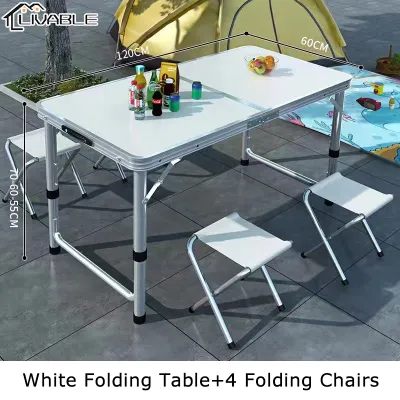
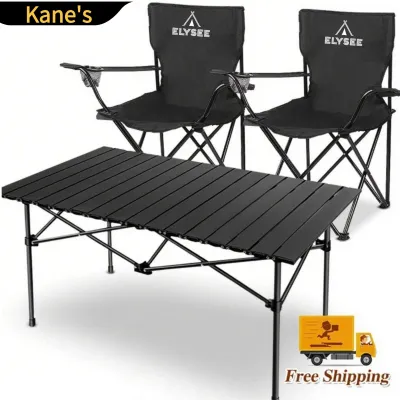
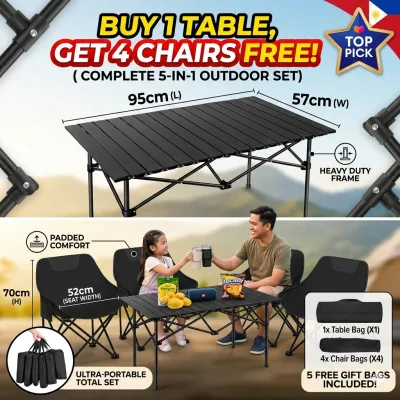
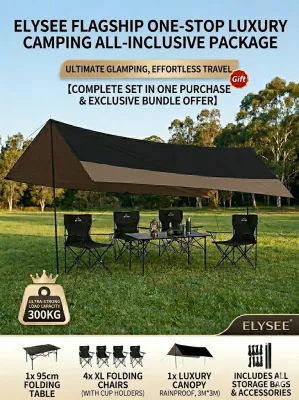
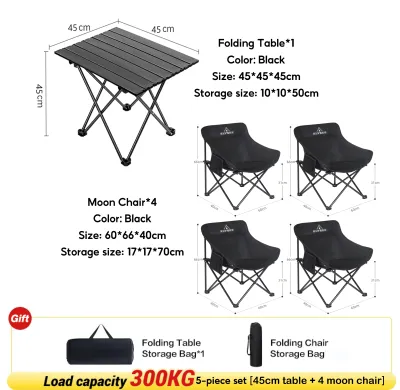
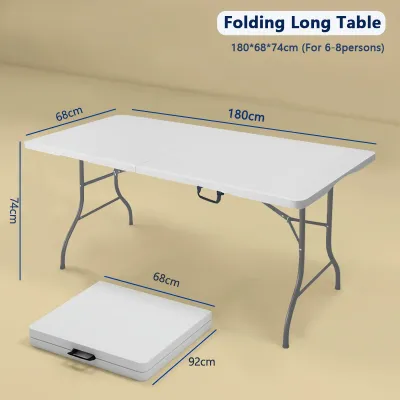
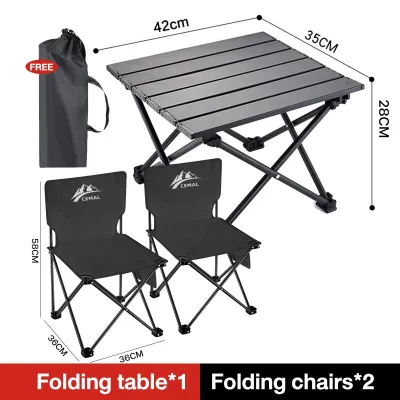
Prices are valid at publication and may change. Please refer to the product page for the latest price.
Next, identify and document all physical obstacles that project into the balcony space. In many Philippine apartment designs, balconies must accommodate external air conditioning condenser units, drainage pipes, structural columns, and wall-mounted light fixtures. If your air conditioning compressor is mounted on the floor or a low wall, it not only occupies physical floor space but also vents hot air directly across the balcony. You must measure the remaining usable area that sits outside this direct exhaust path to ensure your seating area remains comfortable.
Pay close attention to how your balcony door operates. If you have an outward-swinging door, you must measure the complete arc of the door’s path and keep this area entirely clear of furniture. For sliding glass doors, measure the height of the raised threshold and ensure that your furniture placement does not obstruct the sliding tracks or make it difficult to step outside safely. Additionally, measure the thickness of the balcony railing and the width of any built-in planters, as these features can reduce your usable balcony depth by 10 to 20 centimeters.
Finally, always consult your condominium’s property management office (PMO) guidelines before making a purchase. Many residential buildings in the Philippines enforce strict rules regarding balcony furniture to maintain structural safety and aesthetic uniformity. These rules may include maximum weight limits for balcony loads, restrictions on the height of furniture to prevent fall hazards, and prohibitions against drilling into exterior walls. Furthermore, if your balcony is designated as a fire escape route or contains an emergency evacuation hatch, you must ensure your layout leaves a completely unobstructed path at all times, making easily movable folding furniture an absolute necessity.
Standard Dimensions for Foldable Chairs with Tables
Having a clear understanding of standard furniture dimensions is crucial for narrowing down your options. When shopping for a foldable chair with table, you will generally encounter two primary configurations designed for small spaces: compact bistro sets and single-seat setups. Each option has a distinct physical footprint that dictates how much space remains for movement.

Compact Bistro Sets (Two Chairs and a Small Table)
A classic bistro set, consisting of a small central table and two matching folding chairs, is the traditional choice for creating a cozy dining or conversation area. Standard round or square folding tables in these sets typically feature a diameter or width of 50 to 60 centimeters, with a standard table height of 70 to 75 centimeters. The matching folding chairs generally measure 40 to 45 centimeters in width and 45 to 50 centimeters in depth when unfolded, with a seat height of 42 to 45 centimeters to ensure comfortable posture.
When evaluating these sets, it is vital to distinguish between the “in-use” footprint and the “folded” storage footprint. When fully set up with two people seated, a standard bistro set requires an active floor area of approximately 120 to 150 centimeters in width and 150 to 180 centimeters in depth. However, when folded, these pieces collapse to an ultra-slim profile, often measuring just 8 to 12 centimeters in thickness per item. This allows you to stack them neatly against a wall or store them inside a utility closet during heavy rain or severe weather.
To ensure ergonomic comfort, always verify the alignment between the table height and the chair seat height. A standard vertical gap of 28 to 30 centimeters between the top of the chair seat and the underside of the table surface is ideal for comfortable legroom. If the table frame has a thick support apron, make sure it does not pinch your thighs when you slide your legs under the table.
Single Chair with Attached or Side Table
If your balcony is exceptionally narrow—such as those measuring under 1 meter in depth—a traditional two-chair bistro set will likely overcrowd the space. In these scenarios, a single chair paired with an independent side table or an integrated table attachment is a far more functional choice. This setup prioritizes individual comfort and keeps the center of the balcony open for easy movement.
A single folding chair paired with a small, independent side table (typically measuring 30 to 40 centimeters in width and depth) requires a total active footprint of only 80 to 100 centimeters. Alternatively, some folding chairs feature an integrated side tray or a swing-out table attached directly to the armrest. These integrated designs eliminate the need for a separate table entirely, reducing the physical footprint to the size of the chair itself while still providing a stable surface for a book, a laptop, or a cold drink.
This single-seat configuration is highly efficient for studio apartments or solo residents who want to establish a personal outdoor workstation or reading nook. By reducing the furniture count to a single chair and a compact side table, you maximize the remaining open space, allowing the balcony to feel larger and less cluttered while maintaining full functionality.
Clearance and Movement Rules for Small Balconies
To create a comfortable and safe balcony layout, you must plan for the empty space around your furniture. The physical dimensions of your foldable chair with table are only half the equation; the clearance zones you leave around them determine whether your balcony feels like a relaxing retreat or a cramped obstacle course.
The most critical clearance zone is the “pull-out” space required behind each folding chair. To sit down and stand up comfortably without hitting the balcony wall or railing, you need a minimum of 50 to 60 centimeters of clear space behind the chair seat. If your balcony is narrow, placing chairs directly opposite each other can easily consume the entire depth of the space, leaving no room to pull the chairs back. In such cases, positioning the chairs side-by-side or at an angle facing outward can help you maintain the necessary pull-out clearance.
In addition to seating clearance, you must maintain a functional walkway around the furniture. A comfortable walkway requires a clear path of at least 60 centimeters in width, allowing you to walk past the table and chairs without turning sideways or brushing against the railing. In extremely tight spaces, you can reduce this walkway to 45 centimeters, but anything less will make the balcony difficult to navigate and increase the risk of tripping over furniture legs.
Finally, you must ensure that your furniture placement never blocks doors or emergency egress routes. If your balcony door swings outward, the entire arc of the door’s swing must remain completely clear of furniture at all times. A standard door requires a clear radius of 70 to 90 centimeters. Even if you have a sliding door, avoid placing furniture where it blocks the primary opening side of the door. Keeping these pathways clear is essential not only for daily convenience but also for ensuring a safe and rapid exit during emergencies, such as a fire or an earthquake.
Space-Saving Features to Look For
When selecting a foldable chair with table for a small balcony, look for specific design features that maximize utility and minimize physical clutter. Modern furniture designs offer several clever mechanisms tailored to tight outdoor spaces, allowing you to reclaim your balcony floor whenever the furniture is not in use.
Wall-mounted folding tables, also known as drop-leaf tables, are highly effective space-savers. These tables are mounted directly to a wall or hooked securely over the top of the balcony railing. When you want to use the table, you simply raise the tabletop and lock the support bracket into place; when finished, you release the bracket to let the tabletop fold completely flat against the wall or railing. If you choose a rail-hung option, ensure it features adjustable clamps that secure tightly to your specific railing profile to prevent the table from shifting or rattling in the wind.
For the chairs, look for models designed to be hung on wall hooks or stacked neatly when folded. Hanging your folded chairs on heavy-duty, weather-resistant wall hooks keeps them completely off the floor, freeing up valuable ground space for cleaning or other activities. Alternatively, look for chairs that fold into an ultra-slim profile of 8 centimeters or less, allowing them to slide easily into narrow gaps between appliances or behind doors.
When evaluating these space-saving features, pay close attention to the folding mechanisms and material durability, especially given the hot, humid, and rainy tropical climate of the Philippines. Choose folding joints made of high-quality, rust-resistant materials such as powder-coated steel, marine-grade stainless steel, or heavy-duty aluminum. Avoid cheap plastic hinges that can become brittle and crack after prolonged exposure to intense sunlight. Always check the manufacturer’s care instructions to see if the folding joints require periodic maintenance, such as applying a light coat of silicone lubricant to prevent rust and ensure smooth, squeak-free operation.
Common Sizing Mistakes to Avoid
Avoiding common spatial planning errors can save you from the hassle of returning heavy furniture or living with an awkward, unusable balcony layout. The most frequent mistake is measuring only the empty floor space without accounting for vertical or wall-mounted obstacles. Items such as outdoor light fixtures, water faucets, electrical outlets, and wall-mounted planters can protrude several centimeters into your balcony, blocking a folding table from opening fully or preventing a folded chair from hanging flat against the wall.
Another common error is assuming that all “foldable” furniture collapses into a completely flat, ultra-thin profile. Some folding chairs, particularly those featuring thick built-in cushions, high backs, or curved wooden armrests, retain a bulky profile even when fully collapsed. These pieces may still measure 20 to 30 centimeters in depth when folded, making them difficult to store in tight spaces or narrow balcony corners. Always verify both the unfolded and folded dimensions provided by the manufacturer before making your purchase.
Finally, many buyers forget to check the compatibility between the height of the chair armrests and the bottom edge of the table frame. If you select folding chairs with armrests, ensure that the armrests are low enough to slide completely under the table when the chairs are pushed in. If the armrests hit the table edge, you will not be able to tuck the chairs under the table when they are not in use. This forces the chairs to sit further back, permanently consuming valuable walkway space and making your small balcony feel unnecessarily cramped even when no one is sitting down.
Frequently Asked Questions (FAQ)
Can I use a foldable chair with a table on a balcony with a glass railing?
Yes, you can use a foldable chair with a table on a balcony with a glass railing, but you must take extra precautions to prevent accidental damage. When setting up your furniture, maintain a safe buffer zone of at least 15 to 20 centimeters between the maximum movement range of your chairs and the glass panels. When pulling a chair out to sit down or folding it up for storage, a sudden slip could cause the metal or wooden frame to strike the glass, potentially causing deep scratches or structural cracks.
Additionally, always consult your condominium’s house rules or property management guidelines. Some high-rise residential buildings in the Philippines have strict regulations regarding the height and placement of furniture near glass railings to prevent objects from falling over the edge or to avoid concentrated wind pressure on the glass panels. Ensuring your furniture remains within these safety parameters helps protect both your building’s structural integrity and your personal safety.
How do I secure foldable balcony furniture during strong winds?
Because the Philippines regularly experiences severe weather, including strong monsoon winds and intense typhoons, securing lightweight outdoor furniture is a critical safety priority. The most reliable method is to fold your chairs and table and move them completely indoors or into a secure, enclosed utility area whenever a severe weather warning is active. Leaving lightweight folding furniture unsecured on a high-rise balcony poses a major safety hazard, as strong wind gusts can easily lift these items and blow them over the railing.
For daily protection against moderate wind gusts, look for product labels that specify wind resistance or structural weight. If your furniture must remain on the balcony, fold the pieces and push them into a sheltered corner away from the railing. You can secure the folded items together using heavy-duty, weather-resistant bungee cords or tie-down straps, or anchor them to a heavy, stable object such as a weighted planter base. Always ensure that any anchoring method you use complies with your condominium’s building safety regulations and does not cause permanent damage to the balcony structure.

Community discussion
Share your experience or ask a question. Comments are reviewed before publication.