
To comfortably seat 6 to 10 family members around a lamesang plastic set, you need a rectangular table measuring at least 180 to 240 centimeters in length, or a round table with a diameter of at least 150 to 180 centimeters. Each person requires a minimum of 60 centimeters of width and 35 centimeters of depth to dine comfortably without bumping elbows. Because plastic furniture varies widely in structural reinforcement and leg design, choosing the right size also requires verifying the manufacturer’s rated seating capacity and checking the frame’s stability under heavy loads.
Calculating Table Dimensions for 6 to 10 Seats
When planning for a large family gathering, physical space on the tabletop is just as important as the number of chairs you can squeeze around it. A standard individual dining zone measures about 60 centimeters wide by 35 centimeters deep. This space allows enough room for a plate, utensils, drinking glasses, and a bit of personal elbow room. For shared dishes, platters, and serving bowls common in large family meals, you will also need an additional 20 to 30 centimeters of shared space running down the center of the table.
To accommodate 6 people comfortably, a rectangular table should be at least 150 to 180 centimeters long and 80 to 90 centimeters wide. If your family gatherings regularly grow to 8 people, look for a length of 180 to 210 centimeters. For a full 10-person setup, you will need a table length of at least 240 centimeters. If you prefer a round table, a 120-centimeter diameter fits 6 people, a 150-centimeter diameter fits 8 people, and a 180-centimeter diameter is necessary to seat 10 people without crowding.
Products mentioned in this guide
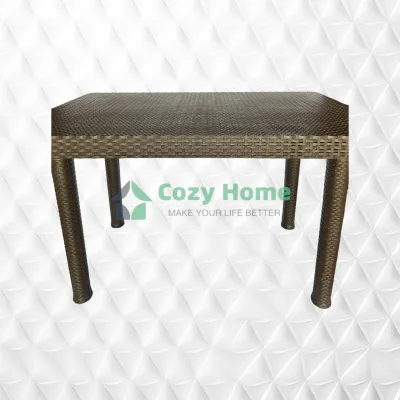

Prices are valid at publication and may change. Please refer to the product page for the latest price.
Always check the manufacturer’s specifications for exact seating capacity rather than relying solely on physical dimensions. Some plastic tables feature wide, angled legs or thick plastic under-structures that block chairs from sliding all the way under. If the legs are set inward from the corners, the usable seating length between the legs is reduced, which might prevent you from placing the intended number of chairs along the sides.
Measuring Room Clearance and Delivery Access
A table that fits your family must also fit your dining room. Before purchasing a large lamesang plastic set, measure the available floor space in your dining area. To allow family members to pull out their chairs, sit down, and rise comfortably, you need a minimum clearance of 90 centimeters between the edge of the table and the nearest wall or piece of furniture. If the dining area serves as a main walkway through your home, increase this clearance to 120 centimeters so others can walk behind seated guests.

If your dining room cannot accommodate a permanent 10-seater table with proper clearance, do not force the fit. A cramped room makes serving meals difficult and increases the risk of trips and spills. Instead, consider a smaller primary table for daily use and supplement it with a secondary folding plastic table that you can set up only when hosting larger gatherings.
Do not forget to measure your home’s entry points before ordering. Large plastic tables, especially non-folding models, can be difficult to maneuver through tight spaces. Measure the width and height of your front door, hallway corners, stairwells, and condominium elevators. If you live in an apartment with narrow stairwells, a fold-in-half plastic table or a set with detachable legs is often the most practical choice to ensure hassle-free delivery and setup.
Checking Stability and Weight Limits for Plastic Sets
Large family gatherings often mean heavy serving platters, full pitchers, and guests leaning on the table. Because plastic is lighter and more flexible than wood or metal, verifying the structural integrity of your dining set is essential for safety. Look for tables that feature a steel-reinforced frame or heavy-duty metal legs. Pure plastic legs without internal metal support can bow or wobble under the weight of a 10-person feast.
Always verify the weight capacity limits on the product label, user manual, or manufacturer specification sheet. A reliable plastic dining table should have a clearly stated static weight limit that accommodates both the weight of the food and the pressure of people leaning on the surface. Avoid tables that do not specify a weight limit, as they may not be engineered for heavy domestic use.
Inspect the leg placement and cross-bracing system of the table. Tables with legs positioned at the extreme corners generally offer better stability than those with legs set far inward. Look for models with metal cross-braces that lock the legs securely into place. These braces prevent the legs from folding or shifting laterally when the table is pushed or when guests sit down heavily.
Choosing Shapes and Extendable Designs for Flexibility
The shape of your plastic dining set affects both seating efficiency and room flow. Rectangular tables are the most popular choice for large groups because they align well with standard room layouts and can be pushed against a wall to save space when not in use. Oval tables offer similar seating capacity but feature rounded corners that improve traffic flow in tight spaces. Round tables excel at fostering conversation because everyone faces each other, but a 10-seater round table requires a massive square room to avoid blocking walkways.
For homes where the guest count fluctuates, extendable or foldable plastic tables offer excellent flexibility. A fold-in-half utility table can serve as a compact 6-seater for daily family meals and quickly expand to a 10-seater when unfolded in the living room or patio. If you choose an extendable design, inspect the locking mechanisms carefully. The slide locks, gravity rings, or safety pins must be robust, easy to operate, and made of rust-resistant materials to withstand humid tropical climates.
When selecting chairs for a flexible setup, stackable plastic chairs are highly practical. They can be piled neatly in a corner or storage room when only 6 people are dining, and quickly distributed around the table when the rest of the family arrives. Ensure the chairs have non-slip rubber feet to protect your indoor flooring and provide extra grip on outdoor tiled patios.
Frequently Asked Questions (FAQ)
How do I prevent a long plastic table from sagging in the middle?
To prevent a long plastic table from sagging under the weight of food and tableware, choose a model designed with center support legs or reinforced steel underbelly ribs. When setting up the table, distribute heavy serving platters, pitchers, and hot pots evenly across the surface rather than concentrating them in the center. If your table folds in half, ensure the center locking arch or slide bolt is fully engaged and locked before placing any items on top.
Can I mix and match different plastic chairs with the table?
Yes, you can mix and match plastic chairs, provided you verify two critical measurements: seat height and chair width. The standard distance from the top of the chair seat to the underside of the table frame should be between 25 and 30 centimeters to allow comfortable legroom. Additionally, measure the width of the chair bases to ensure they fit between the table legs without overlapping or forcing guests to sit at awkward angles.

Community discussion
Share your experience or ask a question. Comments are reviewed before publication.