
Quick Answer: Sizing Framework for Small Condo Bedrooms
Finding the right portable foldable bed for a compact condo bedroom requires balancing sleeping comfort with daily mobility. To ensure your room remains functional, use this core sizing formula:
Maximum Bed Footprint = Total Floor Area – (Existing Furniture Footprint + Required Walkway Clearance)
Many condo dwellers make the mistake of looking only at standard mattress sizes. However, a portable foldable bed has an outer frame that is wider and longer than the mattress itself due to built-in hinges, structural tubing, and wheel bases. The ultimate limit for your bed’s size is not the total square footage of the room, but rather the narrowest functional pathway you must navigate when the bed is fully deployed. Keeping this pathway clear prevents the room from feeling cramped and ensures safe movement.
Products mentioned in this guide
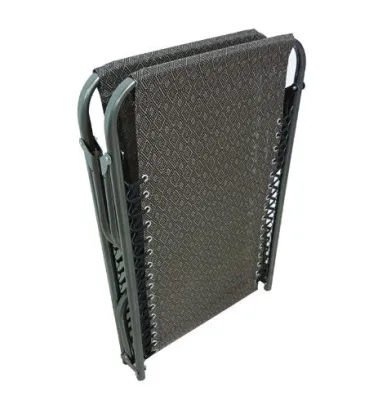
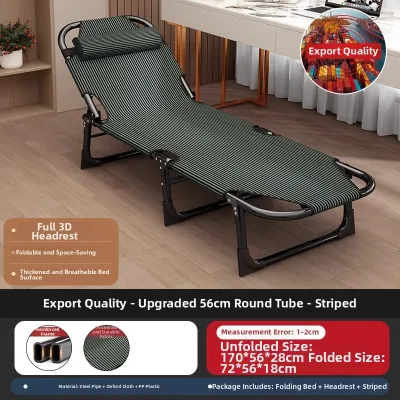
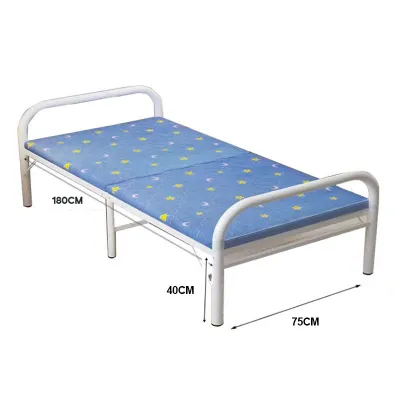
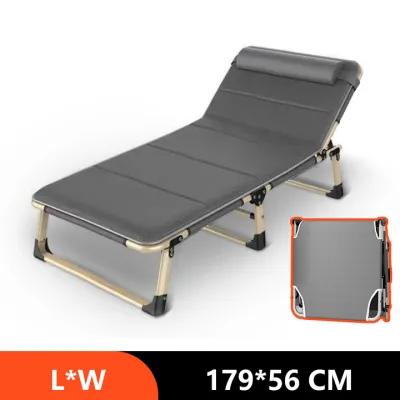
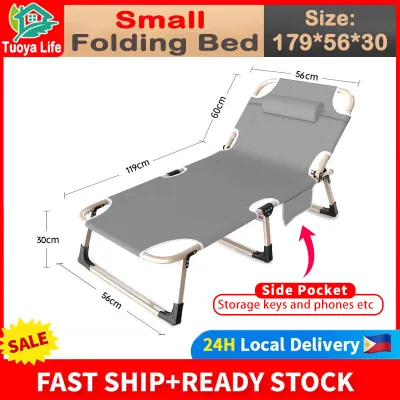
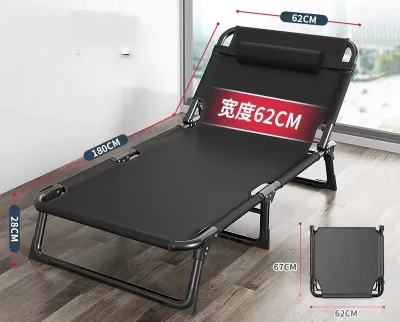

Prices are valid at publication and may change. Please refer to the product page for the latest price.
How to Measure Your Room and Required Walkway Clearance
To find a bed that fits seamlessly, you must conduct a physical measurement of your bedroom. Start by measuring the wall-to-wall floor space using a tape measure. Be sure to measure from the baseboards rather than the walls, as baseboards can reduce your usable floor width by a few centimeters.

Next, account for all door swings. Open your bedroom door, closet doors, and any cabinet doors completely. Measure the arc of these doors and mark this area as unusable for the bed footprint. If you have a balcony door or low-hanging window, check their clearance heights and opening paths as well.
Now, map out your walkways. Identify the primary walkway, which is the direct path from the bed to the main doorway or the bathroom. Secondary walkways include the paths to your wardrobe, desk, or window.
To determine your minimum walkway width, avoid relying on generic design standards. Instead, test your personal mobility needs. Walk through your room carrying daily items, such as a laundry basket or a backpack. Note the minimum width you need to pass comfortably without twisting your body or bumping into walls.
Finally, visualize the setup before making a purchase. Use painter’s tape or lay down newspapers on the floor to outline the exact outer dimensions of the portable bed you are considering. Walk around this taped area to ensure you can still access your closet, open drawers, and exit the room safely. If you live in a high-rise condo, also measure your building’s elevator doors and hallway corners to ensure the folded bed can be easily delivered to your unit.
Comparing Common Portable Bed Footprints and Configurations
Portable beds come in several configurations, each with distinct outer frame dimensions that impact your floor space. When shopping, always prioritize the finished outer dimensions of the frame over the nominal mattress size.
- Narrow Cots: These are the most space-saving options, typically designed for single sleepers. They feature a very slim profile, making them ideal for tight studio apartments. However, the sleeping surface is narrow, which may limit comfort for larger individuals.
- Standard Single Foldable Beds: These offer a familiar single-mattress sleeping area. The frame is wider and longer to accommodate the folding mechanism and support legs. They provide a good balance of comfort and mobility but require a larger footprint when deployed.
- Double or Compact Queen Foldable Beds: These are designed for two sleepers or those who prefer more room. While comfortable, they can easily overwhelm a small condo bedroom, leaving virtually no walkway space.
When the bed is not in use, its folded dimensions are just as important as its deployed footprint. Measure the depth, width, and height of the folded frame. Ensure it can fit into your designated storage area, whether that is inside a built-in wardrobe, under an existing high-clearance bed frame, or tucked behind a bedroom door.
| Bed Configuration Type | Typical Outer Frame Footprint (Deployed) | Storage Footprint (Folded) | Primary Space Trade-off |
|---|---|---|---|
| Narrow Cot | Slim and elongated; minimal width | Very flat; fits easily in narrow closets or behind doors | Limited sleeping width; less cushioning |
| Standard Single | Moderate width and length; standard single size | Thicker profile; requires dedicated closet space or corner | Takes up more floor space; offers better support |
| Double / Compact Queen | Wide footprint; occupies most of a small room | Bulky; requires large storage closet or separate room | Severely restricts walkways; accommodates two sleepers |
Evaluating Storage Footprint and Setup Safety
A portable foldable bed must be safe to deploy, use, and store in a confined environment. Before purchasing, check the manufacturer’s labels for the maximum weight capacity and frame stability ratings. Ensure the bed is rated appropriately for the intended user to prevent structural failure.
Examine the folding mechanisms and wheel locks. In a small room, a bed that rolls unexpectedly can block doors or cause tripping hazards. Ensure the caster wheels have reliable locking tabs that hold the frame firmly in place when deployed. The hinges should lock securely into the open position to prevent the bed from buckling or collapsing under weight.
Assess the clearance around the bed during setup. You need enough physical space to stand beside the bed to unfold it without hitting your knees or elbows against walls, desks, or wardrobes. There should also be sufficient space to tuck in sheets and blankets comfortably.
Regularly inspect the bed’s condition. If you observe bent metal bars, loose rivets, sagging support mesh, or a stiff folding mechanism that requires excessive force to operate, stop using the bed immediately. In a tight condo bedroom, a malfunctioning frame poses a higher risk of pinching fingers or damaging nearby walls. Consult the manufacturer for replacement parts or repair instructions rather than attempting unsafe modifications.
Frequently Asked Questions (FAQ)
Can I use a portable foldable bed as a permanent daily bed in a small condo?
Portable foldable beds are designed for temporary or occasional use. They generally feature thinner mattresses and lightweight frames that lack the robust, long-term support of permanent bed bases. Daily folding and unfolding accelerate wear on the hinges, springs, and support fabric, which can lead to sagging and structural instability over time. If you need a permanent daily sleeping solution for a small condo, consider investing in space-saving alternatives like a wall bed (murphy bed) or a high-quality sofa bed designed for daily use.
How much clearance is needed between the bed and walls or other furniture?
For daily usability, aim for enough clearance to comfortably walk, tuck in bed linens, and access wall outlets or light switches. In humid tropical climates like the Philippines, maintaining a gap of at least 10 to 15 centimeters between the bed frame and the walls is crucial. This gap promotes proper air circulation, preventing moisture buildup, dampness, and mold growth on both the mattress and the wall surface. Additionally, ensure the bed’s folding mechanism has enough clearance to operate smoothly without scraping against adjacent furniture or walls.

Community discussion
Share your experience or ask a question. Comments are reviewed before publication.