
To comfortably seat 6 to 10 people, a solid wood dining table must balance individual diner space with the physical limits of your dining room. For a gathering of this size, you generally require a table length ranging from 180 centimeters (approximately 6 feet) for a cozy group of six up to 300 centimeters (approximately 10 feet) to accommodate ten adults without crowding. The exact dimensions depend heavily on the table shape, base design, and the type of chairs you pair with the set.
Selecting the right size is not just about fitting everyone around the tabletop; it is also about ensuring your guests have enough room to move their arms, slide their chairs out, and walk around the room. A table that is too large will make your dining room feel cramped and difficult to navigate, while a table that is too small will lead to bumped elbows and a cluttered dining surface. By understanding standard ergonomic measurements and room clearance guidelines, you can confidently choose a solid wood dining table set that serves as a functional and inviting centerpiece for your home.
Understanding Table Shapes and Seating Capacity
Rectangular tables are the traditional choice for seating 6 to 10 people because their linear edges align naturally with standard dining rooms. An oval table offers similar length but features rounded corners, which can soften the room’s flow and occasionally allow you to squeeze in an extra chair at the curves. Rectangular tables are also highly versatile because they can be pushed against a wall when not fully occupied, freeing up floor space in smaller dining areas.
Products mentioned in this guide
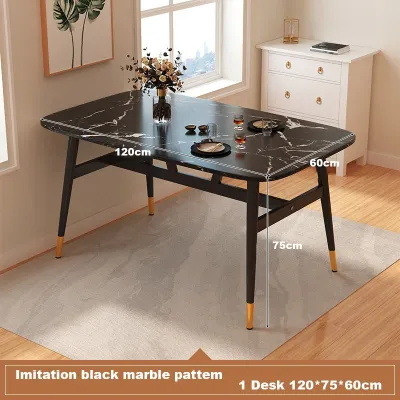
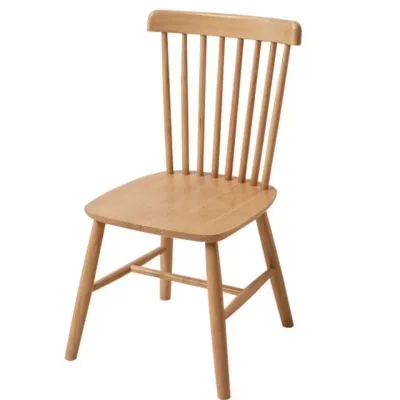
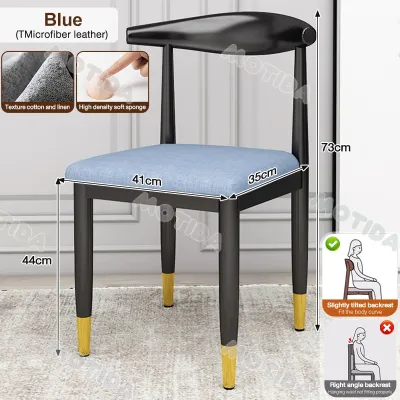
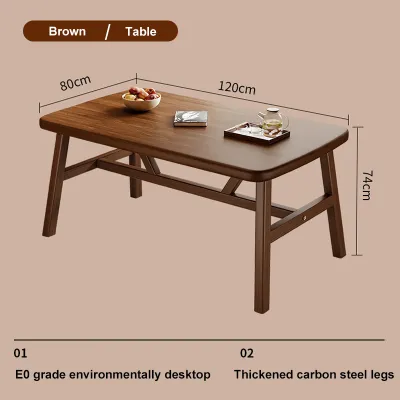
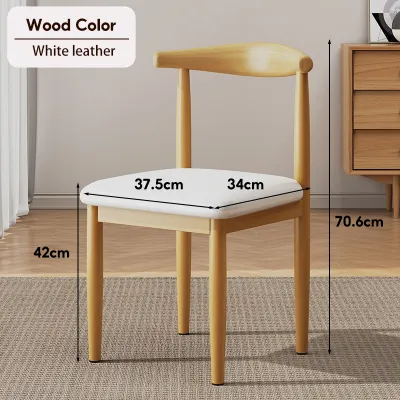
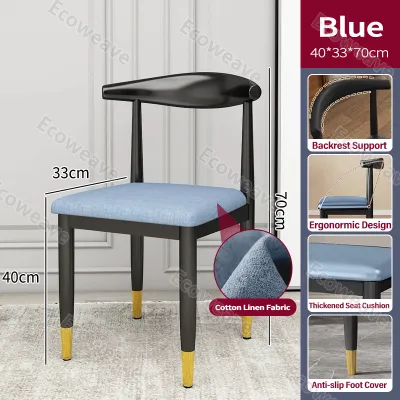
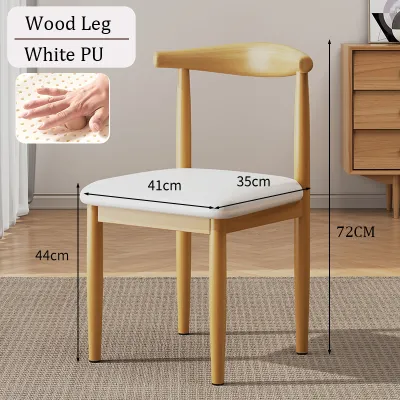
Prices are valid at publication and may change. Please refer to the product page for the latest price.
Round tables foster excellent conversation but require a massive footprint to seat larger groups. A round table seating 6 to 8 people typically needs a diameter of 150 to 180 centimeters, which can make reaching for shared dishes in the center difficult. Square tables for 8 people (usually 150 by 150 centimeters) offer a modern aesthetic but present similar challenges regarding center reach and floor space consumption.
The base design plays a critical role in legroom. Traditional four-legged tables restrict chair placement near the corners, meaning you must place chairs between the legs. Pedestal or trestle bases eliminate corner legs, allowing greater flexibility to slide chairs in anywhere along the perimeter, though you must check that the base plate does not interfere with your guests’ feet.
For homes where ten-seater dinners are occasional rather than daily, an extendable solid wood dining table set is highly practical. These designs utilize removable leaves or drop-leaf mechanisms to expand the surface area when hosting, then shrink back down to a more manageable size for daily family use, preserving precious floor space.
Calculating the Ideal Table Dimensions
To prevent guests from bumping elbows, allocate a minimum of 60 centimeters of horizontal table width per diner. For a more relaxed, premium dining experience, increasing this allowance to 70 or 75 centimeters per person is ideal. This ensures everyone has enough personal space to use utensils comfortably.

Depth is equally important. Each diner requires about 35 to 40 centimeters of depth for their place setting. To accommodate shared serving platters, centerpieces, and local family-style dining arrangements down the middle of the table, the total width of the table should be at least 90 to 100 centimeters. Anything narrower will feel cramped once serving bowls are introduced.
Standard dining tables typically stand around 75 to 76 centimeters tall. Ensure that the clearance between the underside of the table apron and the seat of your chairs is at least 30 centimeters to allow comfortable leg movement, especially for taller guests.
The style of your dining chairs directly influences these calculations. Compact, armless dining chairs can easily slide under the table and require less horizontal clearance. If you prefer wide armchairs or heavily padded upholstered seats, you must add extra width to your table calculations to ensure the chairs can be tucked in side-by-side without clashing.
Measuring Your Dining Room for Proper Clearance
A table that fits your guests but blocks your room is a functional failure. To ensure comfortable movement, maintain a minimum walkway clearance of 90 centimeters between the edge of the table and the nearest wall, sideboard, or doorway. A clearance of 120 centimeters is highly recommended for high-traffic pathways.
Remember to account for the depth of the dining chairs when they are occupied. A standard chair extends about 45 to 55 centimeters from the table edge when tucked in, but requires up to 90 centimeters of clearance when a guest is actively sitting or pulling the chair out to stand up.
If you plan to place a rug under your solid wood dining table set, the rug must be large enough to accommodate all chair legs even when the chairs are pulled out. This typically means the rug should extend at least 60 to 75 centimeters beyond the table edge on all sides.
Before purchasing a large solid wood dining table set, verify the delivery path. Solid wood furniture is exceptionally heavy and rigid, meaning it cannot be bent around tight corners. Measure the clearance of your front door, hallways, stairwells, and elevator doors to ensure the delivery team can safely transport the tabletop and base into your dining area.
Evaluating Solid Wood Construction and Stability
Large solid wood tables carry immense weight, requiring robust joinery and structural support. Inspect the underside of the table for high-quality mortise-and-tenon joints or heavy-duty metal corner brackets. A supportive apron—the wooden frame directly beneath the tabletop—prevents the wood from sagging over time under its own weight.
In tropical climates like the Philippines, high humidity levels cause natural wood to expand and contract. When choosing an extendable table, verify that the extension slides and alignment pins are designed to accommodate this natural movement without binding or jamming. Look for kiln-dried solid wood, which is less prone to warping in humid environments.
For large tables, especially extendable ones, high-quality metal runners and locking clips are essential to keep the table halves securely joined. Loose or cheap hardware can lead to sagging in the center, which puts dangerous stress on the wood joints.
Always review the manufacturer’s specifications for weight limits and leveling requirements. A large table must sit perfectly level on your floor to distribute weight evenly and prevent structural stress on the joints. Follow the manufacturer’s specific care instructions, checking the finish type to determine the correct cleaning methods.
Common Sizing Mistakes to Avoid
One common error is ignoring the visual weight of solid wood. A thick, dark timber table can easily overwhelm a small room or a space with low ceilings, making the entire area feel cramped even if the physical measurements technically fit. Consider lighter wood tones or tapered legs to soften the visual impact.
Another mistake is miscalculating the space required for dining benches. While benches are excellent for squeezing in extra guests, they cannot be adjusted individually. If a bench does not slide completely under the table when not in use, it will permanently block your walkways.
Finally, always base your measurements on actual usable floor space rather than the total room dimensions. Account for protruding baseboards, columns, standing fans, or nearby cabinets with doors that need room to swing open.
Frequently Asked Questions (FAQ)
Can I use dining benches instead of chairs to seat more people?
Dining benches are highly efficient for maximizing linear seating capacity, especially for children, as they eliminate the physical gaps required between individual chairs. When not in use, a bench can often be tucked completely beneath the table to keep walkways clear. However, benches offer less back support for long meals and can make it difficult for guests seated in the middle to slide out without disturbing others.
How do I protect a large solid wood table from heat and moisture damage?
To preserve the finish of your solid wood table, always use insulated trivets, coasters, and placemats under hot serving dishes and cold drinks. In humid tropical environments, avoid placing the table directly under air conditioning vents or in direct sunlight, as rapid temperature and moisture changes can cause the wood to crack. Clean spills immediately with a soft, slightly damp microfiber cloth, and check the manufacturer’s guidelines before applying any commercial polishes or wax.

Community discussion
Share your experience or ask a question. Comments are reviewed before publication.