
Finding the right adult hammock swing chair for a small balcony requires balancing comfort with strict spatial and structural limits. To enjoy a relaxing swing without compromising safety, you must match the chair’s physical dimensions and weight capacity to your balcony’s actual layout and load limits. Generally, a safe installation requires verifying that your ceiling height, floor clearance, and structural support can handle both the static weight of the chair and the dynamic forces generated when you sit and swing.
Quick Guide: Sizing and Capacity Basics
Before purchasing a hammock swing chair, you need a clear framework to evaluate whether a specific model fits your space and body type. Sizing involves three primary physical dimensions: the seat width, the overall hanging height, and the required swing radius. The seat width determines your personal comfort, while the hanging height and swing radius dictate how much physical clearance the chair needs from walls, railings, and glass doors.
Weight capacity is another critical factor that goes beyond your actual body weight. You must distinguish between static weight—the weight of a person sitting completely still—and dynamic weight, which includes the extra force exerted when sitting down, shifting positions, or gently swinging. A reliable decision flow starts with measuring your available balcony footprint, calculating the total dynamic load, and then choosing between a ceiling-mounted anchor or a freestanding frame based on your building’s structural rules.
Products mentioned in this guide
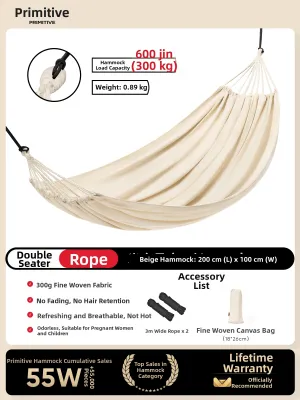
![[Fast Shipping] 1pc Outdoor Hammock Chair Canvas Leisure Swing Chair No Pillow Or Cushion Dormitory Hammock Swing Rocking Chair(With hooks)](https://img.lazcdn.com/g/p/53019934362259f5de85f324567a8c5c.jpg_400x400q80.jpg_.webp)





Prices are valid at publication and may change. Please refer to the product page for the latest price.
Measuring Your Balcony for Safe Swing Clearances
A small balcony, especially in high-rise condominiums in the Philippines, often serves multiple purposes. It may house air conditioning condenser units, laundry drying racks, or small potted plants. To find the true usable floor space, start by measuring the clear area that is completely free of these obstacles. Use a metal measuring tape to map out the distance from the interior glass doors to the outer balcony railing, and from side wall to side wall.

Once you have the base dimensions, calculate the necessary swing clearance. A hammock chair does not remain perfectly stationary; it moves in a multi-directional arc. As a general rule, plan for a clearance zone of at least 75 to 100 centimeters behind the chair and at least 50 centimeters on either side. This buffer prevents the fabric, spreader bar, or your limbs from colliding with concrete walls or metal railings during use. The exact clearance depends on the suspension length: a longer rope or chain creates a wider swing arc, requiring a larger safety buffer.
Overhead height is the final critical measurement. Measure from the tiled balcony floor directly to the concrete ceiling slab. Compare this measurement with the manufacturer’s specified minimum hanging height, which typically ranges from 200 to 220 centimeters for standard adult models. If your balcony ceiling is lower than this requirement, the chair may hang too close to the floor, making it difficult to sit down or stand up comfortably.
Calculating Weight Capacity and Structural Limits
Selecting a hammock swing chair with the correct weight rating is essential for long-term safety. When reviewing product specifications on online marketplaces or at local furniture retailers, always look for the certified weight capacity. It is highly recommended to add a safety margin of at least 20 to 30 percent to your actual body weight. For example, if you weigh 80 kilograms, look for a chair rated for at least 110 to 120 kilograms to safely accommodate sudden shifts in movement.
It is vital to understand that a chair’s rated capacity only reflects what the fabric, ropes, and carabiners can support. It does not guarantee that your balcony ceiling can handle the same load. When you sit in a suspended chair, the downward force exerted on the anchor point is significantly higher than your static body weight. This dynamic load puts intense stress on the mounting hardware and the structural material above.
Before installing any overhead anchor, you must verify the structural integrity of your balcony ceiling. Many modern residential buildings use post-tension concrete slabs or lightweight soffits that are not designed to support concentrated hanging loads. Always consult your building management office, review the structural drawings of your unit, or hire a qualified structural engineer to confirm if the ceiling can safely support dynamic swinging forces.
Ceiling-Mounted vs. Freestanding Stands: Space and Installation Trade-offs
Deciding how to suspend your adult hammock swing chair involves a direct trade-off between floor space and structural modification. A ceiling-mounted installation is the most space-efficient option for small balconies. By anchoring directly into a solid concrete ceiling, you keep the entire floor area beneath and around the chair completely clear. This setup preserves valuable floor space for small tables or plants and maintains an open, uncluttered aesthetic. However, this method requires drilling deep into the concrete slab and installing heavy-duty expansion bolts, which may not be permitted under your building’s guidelines.
If drilling is prohibited or if your ceiling cannot support a concentrated load, a freestanding stand is the primary alternative. Freestanding frames require no permanent installation and can be moved easily. However, they have a significantly larger physical footprint. The base of a typical C-stand or A-frame stand can occupy a substantial portion of a small balcony, often extending more than a meter in diameter. Before choosing this option, verify that the stand’s base fits within your measured floor space without blocking pathways or sliding doors.
When evaluating a freestanding stand, use this stability and safety checklist:
- Base Width: Ensure the base is wide enough to prevent tipping when you lean forward to exit the chair.
- Weight Distribution: Check if the stand's feet have protective rubber pads to distribute the weight evenly and prevent cracking or scratching your balcony tiles.
- Material Finish: Verify that the frame features a weather-resistant powder coating to withstand tropical humidity and heavy rain.
- Joint Security: Inspect the locking pins or bolts regularly to ensure they remain tight and free of rust.
Common Sizing and Placement Mistakes
One of the most frequent mistakes when setting up a balcony swing chair is ignoring the dynamic swing arc. Homeowners often measure the static dimensions of the chair and assume it will fit perfectly in a tight corner. Once installed, however, even a slight shift in weight can cause the chair or the user’s feet to strike the balcony railing or glass panels, creating a serious safety hazard.
Another common error is assuming that any concrete ceiling is automatically safe for drilling and hanging. Balcony ceilings are frequently exposed to moisture, which can cause concrete spalling or weaken the internal reinforcement over time. Drilling into an unverified location can damage hidden electrical conduits or compromise the waterproofing layer of the balcony floor above you.
Finally, many people fail to account for the space needed to enter and exit the chair safely. A hammock chair naturally sags and shifts backward when you sit down. If the chair is placed too close to a wall or furniture, you may find yourself struggling to stand up without losing your balance. Always test the entry and exit clearance during your initial setup to ensure you can plant both feet firmly on the ground.
Frequently Asked Questions (FAQ)
Can I use a hammock swing chair on a balcony with a low ceiling?
Yes, but you must select your equipment carefully. If your balcony ceiling is below the standard 2-meter height, look for hammock chairs with adjustable suspension ropes or shorter overall profiles. Some models allow you to shorten the top hanging cord or use a heavy-duty spring instead of a long chain to save vertical space. Alternatively, you can opt for a low-profile freestanding stand designed specifically for tight vertical clearances, or transition to a floor-level lounger if safe overhead suspension is not possible.
Do I need permission to drill into my condo balcony ceiling?
In almost all residential condominiums and managed properties, you must obtain formal written permission from the building administration or homeowners’ association before drilling into any structural slab. Balcony ceilings are typically classified as common areas or structural elements. Unauthorized drilling can void building warranties, damage post-tension cables, or puncture waterproofing membranes, leading to costly leaks and structural damage. Always submit an official request and consult the building’s engineering team before starting any installation.

Community discussion
Share your experience or ask a question. Comments are reviewed before publication.