
Finding the perfect dining table for a Filipino household requires balancing daily comfort with the lively hospitality of Sunday family gatherings. When your household fluctuates between a core group of six and a festive gathering of ten, a standard fixed-size table is rarely the best solution. A fixed table that is large enough for guests will permanently crowd your daily living space, while a smaller table leaves your relatives squeezed together during festive feasts.
An extendable dining table offers the ideal compromise, but choosing the right size requires understanding both standard ergonomic dimensions and the specific spatial limits of your home. To comfortably seat six people daily and expand to accommodate ten, you need a table that starts at a collapsed length of 150 to 180 centimeters and extends to a fully expanded length of 210 to 240 centimeters. Selecting the perfect model involves analyzing standard dimensions, measuring your room clearances, choosing the right shape, and understanding extension mechanisms.
Standard Dimensions for 6 to 10 Seating Capacity
To determine the right table size, you must first understand the physical space an individual requires to dine comfortably. The standard ergonomic width allocated per person is 24 inches (approximately 60 centimeters). This measurement provides enough elbow room for a guest to use utensils without bumping into their neighbor, assuming you are using standard armless dining chairs.
Products mentioned in this guide
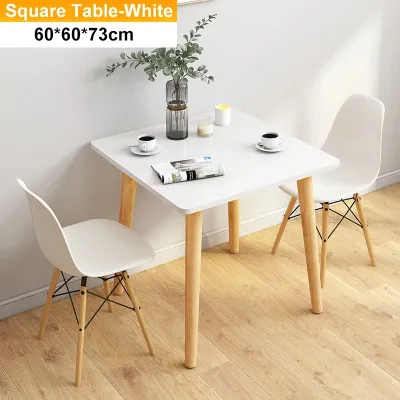
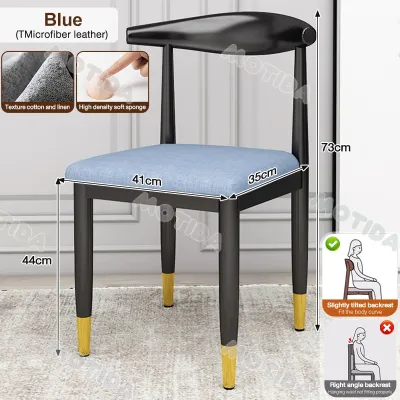
Prices are valid at publication and may change. Please refer to the product page for the latest price.
If your family prefers wider dining chairs or armchairs with bulky frames, you must increase this allocation to 28 or 30 inches (70 to 75 centimeters) of linear table edge per person. Failing to account for chair width is a common reason why fully extended tables still feel cramped. Always measure the widest part of your dining chairs before calculating your table’s potential seating capacity.
Table depth is equally critical for a comfortable dining experience. A standard place setting requires a minimum depth of 15 inches (38 centimeters) to accommodate a dinner plate, utensils, and glassware. When two people sit directly opposite each other, their combined place settings require 30 inches of table depth, leaving a narrow center zone for shared dishes.
To accommodate the shared serving bowls, rice platters, and soup tureens typical of local family-style dining, look for a table with a total width of 36 to 40 inches (90 to 100 centimeters). This center zone provides the necessary space for serving dishes without crowding individual place settings.
For daily use by a family of six, a collapsed table length of 150 to 180 centimeters (59 to 71 inches) is highly practical. This length allows for three seats along each long side, or two seats along the sides and one at each end, depending on the table’s leg placement. This compact footprint keeps your dining area feeling open and accessible during the workweek.
When hosting larger gatherings of eight to ten people, the table must extend to a length of 210 to 240 centimeters (83 to 94 inches). At 210 centimeters, you can comfortably seat four people on each long side and one on each end. Reaching a length of 240 centimeters ensures that even wider guest chairs can be accommodated without crowding. Always verify the manufacturer’s specific extended dimensions, as product designs vary.
Measuring Your Dining Room and Required Clearances
Before browsing local furniture showrooms or online catalogs, you must accurately measure your physical dining space. The most critical rule of dining room design is the 36-inch (90-centimeter) clearance rule. This rule dictates that you must maintain at least 36 inches of open space between the edge of the dining table and any surrounding walls, display cabinets, or adjacent furniture.

This 90-centimeter clearance allows diners to pull their chairs out easily, sit down comfortably, and rise from the table without struggle. If a major household walkway passes behind the dining area, increase this clearance to 48 inches (120 centimeters). This extra space ensures that family members can walk through the room without forcing seated guests to lean forward.
To find your maximum allowable table footprint, begin by measuring the total length and width of your dining room using a standard measuring tape. Subtract 72 inches (180 centimeters) from both the total length and the total width to account for the 36-inch clearance zone on all sides. The remaining dimensions represent the absolute maximum size your table can be when fully extended.
In modern Philippine homes, especially condominiums in Metro Manila and urban townhouses, open-plan living and dining layouts are highly common. In these spaces, the dining area often sits adjacent to a kitchen island or a living room sofa. You must ensure the extended table does not block the swing of refrigerator doors, kitchen cabinets, or entryways.
Be sure to account for existing furniture pieces like buffet credenzas, sideboards, or traditional glass display cabinets. If you have a buffet cabinet that is 18 inches deep, you must measure your 36-inch clearance from the front edge of that cabinet rather than the wall behind it. This prevents the dining chairs from knocking against the cabinet doors.
Finally, do not overlook delivery logistics. A beautiful extendable table is of no use if it cannot reach your dining room. Measure the width and height of your main entryway, condominium service elevators, hallway corners, and any narrow stairwells. The unextended base of the table is often heavy and rigid, requiring ample clearance during delivery.
Matching Extendable Table Shapes to Your Floor Plan
Choosing the right table silhouette is not just an aesthetic decision; it directly affects how traffic flows through your home when the table is fully extended. Different shapes interact with your floor plan in unique ways, making some silhouettes far better suited for specific room layouts than others.
- Rectangular: This is the classic choice for dedicated, long, and narrow dining rooms. Rectangular tables maximize linear seating capacity highly efficiently, allowing you to align chairs neatly along straight edges. However, they require a significant amount of room length when fully extended and can feel visually heavy in smaller spaces.
- Oval: Oval tables offer a softer aesthetic and improved room flow. Because they lack sharp corners, they make it much easier for family members to navigate tight walkways, which is highly beneficial in compact open-plan layouts. They provide a similar seating capacity to rectangular tables but occupy slightly less visual volume.
- Round or Square extending to Oval or Rectangular: These designs are exceptional space-savers for daily use by four to six people in square rooms or open-plan areas. When extended with a center leaf, they transform into oval or rectangular shapes to accommodate eight to ten guests. However, because round tables are inherently wider across their entire diameter, they require a wider room overall to maintain proper clearances when extended.
To avoid purchasing a table that overwhelms your room, use painter’s tape or flattened cardboard boxes to map out the table’s footprint on your floor. Create two mock-ups: one representing the daily collapsed size and another representing the fully extended 10-person configuration. Walk around these mock-ups for a few days to ensure the layout remains practical.
Comparing Extension Mechanisms for Large Tables
Extendable tables utilize various mechanical designs to transition between their collapsed and expanded states. Each mechanism offers distinct trade-offs regarding ease of operation, storage requirements, and structural stability when the table is fully expanded to support a heavy family meal.
- Butterfly Leaf (Self-storing): This highly convenient design features a hinged extension panel folded flat beneath the tabletop. To extend the table, you pull the two main halves apart, lift and unfold the butterfly leaf, and slide the tabletop back together to lock it. Because the leaf is stored internally, you do not need to find separate storage space, though the mechanism can add weight and complexity.
- Removable Center Leaves: These tables feature a split top that slides open on metal or wooden glides, allowing you to manually insert one or two separate wooden panels. This mechanism provides a highly stable and robust surface, making it ideal for large 10-person setups. However, you must store these heavy wooden panels in a safe place when they are not in use.
- Drop-Leaf: This design features hinged panels on the ends of the table that hang down vertically when collapsed and lift up to lock into place when extended. While excellent for tight spaces, drop-leaf mechanisms generally offer lower weight capacities on the extended ends and may sag if guests lean heavily on them.
In the humid tropical climate of the Philippines, fluctuations in moisture levels can cause wood to expand, contract, or warp. If you choose a table with removable leaves, store the extra panels flat in a dry, well-ventilated closet rather than leaning them upright against a wall, which can cause the wood to bow over time.
Regardless of the mechanism, pay close attention to the table’s leg placement and base structure. Some tables feature four corner legs that slide outward with the tabletop, keeping the legs at the far corners and maximizing knee space. Other designs feature stationary legs or a central pedestal, which can sometimes interfere with chair placement or guest legroom when extended.
Common Sizing and Delivery Mistakes to Avoid
When investing in a large piece of furniture, avoiding common pitfalls can save you from costly returns, exchange fees, or daily frustration. One of the most frequent errors is ignoring the ratio between daily use and occasional gatherings. Buying a massive table that remains extended all year just to accommodate a rare holiday gathering will permanently compromise your daily comfort.
Another common mistake is overlooking base interference. Always check if your daily dining chairs can slide fully underneath the table when it is in its collapsed state. A thick central pedestal, decorative trestle base, or wide diagonal legs can block your chairs from being pushed in, leaving them protruding into your walkways and cluttering the room.
Delivery blind spots frequently catch buyers off guard, particularly in urban condominium developments. Always confirm the packaged dimensions of the table base and top with the retailer before finalizing your purchase. Compare these measurements against your building’s service elevator height, hallway corners, and the clearance of your main entryway to avoid a failed delivery.
Finally, be mindful of mismatched chair heights when purchasing extra seating for guests. If you plan to use folding chairs or stools for occasional visitors, ensure their seat height matches your daily dining chairs (typically 18 inches or 45 centimeters from the floor). Mismatched heights make dining uncomfortable and can prevent guests from sitting naturally at the table.
Frequently Asked Questions (FAQ)
How much table width does each person need for a comfortable meal?
A standard dining chair requires a minimum of 24 inches (60 centimeters) of linear table width to ensure a guest can dine comfortably without bumping elbows with their neighbor. If you prefer to use wider armchairs or bulky upholstered seating, you should increase this allocation to 28 or 30 inches (70 to 75 centimeters) per person. To seat ten people comfortably, your fully extended table should provide at least 240 centimeters of total linear edge space.
Can I use a 10-person extendable table in a small condo dining area?
You can use a 10-person extendable table in a compact condominium dining space, provided that the table’s collapsed size (typically a 6-seater) fits comfortably within your daily clearance zones. When fully extended to seat ten, the table will likely encroach on your standard walkways or require you to temporarily move adjacent furniture like sofas or side tables. This temporary rearrangement is perfectly acceptable for occasional celebrations but is impractical for daily use.
What should I check regarding table stability when fully extended?
When evaluating an extendable table, look for high-quality, heavy-duty metal extension glides that operate smoothly without binding or sticking. For tables that extend beyond 200 centimeters, check if the manufacturer includes a central support leg that lowers to the floor when the table is fully expanded. This central support prevents the middle of the table from sagging under the weight of heavy serving platters and ensures long-term structural integrity.

Community discussion
Share your experience or ask a question. Comments are reviewed before publication.