
Transforming a compact living room into a serene, resort-like sanctuary starts with centering the space around a well-styled oasis coffee table. Achieving this breezy, tropical aesthetic in a limited footprint requires a careful balance of organic textures, smart proportions, and functional minimalism. By selecting lightweight materials and keeping tabletop decor intentional, you can evoke the relaxing atmosphere of an island getaway without making your home feel cramped. The key lies in choosing pieces that encourage smooth traffic flow while using styling techniques that maximize visual openness.
Defining the Oasis Aesthetic for Small Spaces
The oasis aesthetic draws inspiration from tropical resorts, focusing on elements that invite nature indoors and promote a sense of calm. In a compact living room, this style relies heavily on earthy color palettes, soft organic shapes, and rich natural textures like woven rattan, light-toned woods, and polished stone. These elements work together to soften the sharp angles of modern apartments and small homes, creating a warm and welcoming environment.
To successfully implement this look in a tight space, you must establish strict proportion rules. A coffee table that is too large will dominate the room and restrict movement, while one that is too small will look lost and lose its functional value. Ideally, the table should measure between one-half and two-thirds of your sofa’s total length, leaving enough room on either side for comfortable access and smooth foot traffic.
Products mentioned in this guide
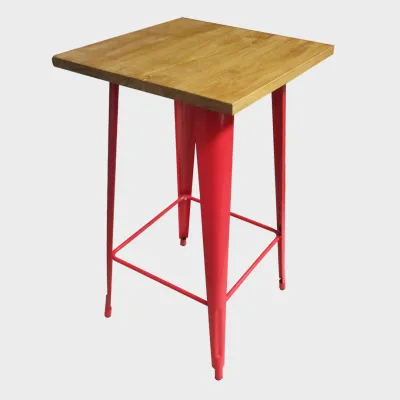
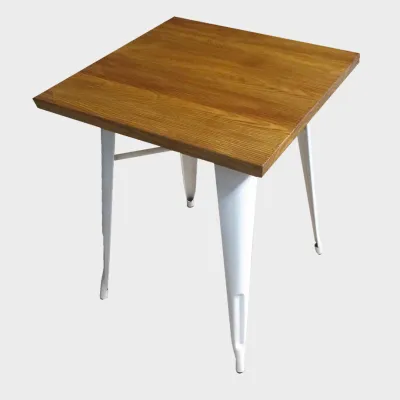
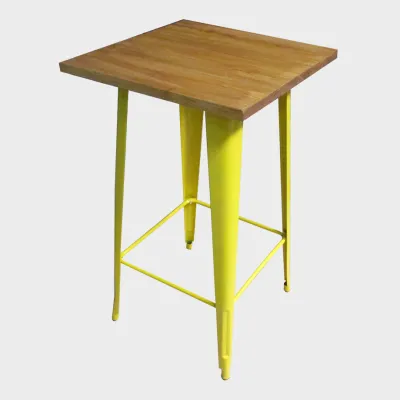
Prices are valid at publication and may change. Please refer to the product page for the latest price.
Maintaining the boundary between relaxing decor and visual clutter is essential when working with a small footprint. While a tropical resort often features lush, layered arrangements, a compact home requires a more edited approach. Focus on displaying a few high-quality, meaningful items rather than crowding the surface with numerous small knick-knacks. This restraint ensures that the natural beauty of your coffee table remains the focal point, preserving the airy feel of the room.
Choosing the Right Coffee Table Shape and Material
Selecting the right shape for your oasis coffee table directly impacts how spacious and safe your living area feels. Round and oval tables are well-suited for tight layouts because their lack of sharp corners prevents painful bumps in narrow walkways. Alternatively, nesting tables offer practical flexibility, allowing you to expand your surface area when hosting guests and tuck them away neatly when you need more floor space.

Visual weight is another critical factor to consider when shopping for small-space furniture. Tables with open bases, slender legs, or transparent glass tops allow light to pass through, creating the illusion of a larger room. A solid, block-like table can block sightlines and make the floor area feel cut off, whereas an open-frame rattan or metal base keeps the surrounding space feeling continuous and light.
When evaluating materials like rattan, bamboo, light oak, or glass, always check the manufacturer’s specifications for structural limits and surface treatments. In tropical climates where humidity levels fluctuate, natural fibers and solid woods can expand, contract, or succumb to moisture damage if not properly sealed. Look for products that specify moisture-resistant finishes or clear protective coatings, and review the care instructions to ensure the piece fits your maintenance routine. Tempered glass tops are excellent for adding a modern touch to the tropical theme while offering a durable, easy-to-clean surface that resists spills.
Functional Styling and Arrangement Tips
Styling your oasis coffee table requires a strategic approach to tabletop decor that prioritizes both beauty and daily usability. Embracing the principle of negative space means leaving at least half of the table’s surface completely empty. This open area provides a resting place for your eyes and ensures there is always room to set down a cup of coffee, a book, or a light snack without having to clear away decorations first.
To keep everyday essentials organized and out of sight, integrate smart, dual-purpose storage solutions into your setup. A beautifully woven seagrass or wooden tray acts as a stylish anchor for your decor while keeping remote controls, coasters, and keys neatly contained. If you require more substantial storage, look for coffee tables featuring hidden compartments, lower slatted shelves, or smooth lift-top mechanisms that preserve the clean exterior lines of the piece.
The arrangement of your surrounding seating plays a vital role in maintaining an open, resort-like sightline across the room. Pair your coffee table with low-profile sofas and lightweight accent chairs that do not tower over the center of the space. Incorporating versatile, easily movable seating options like woven poufs or small wooden stools allows you to adapt the layout on the fly. These low-lying pieces can be tucked under the table or moved to the side when not in use, keeping the center of your living room clear and inviting.
Maintaining an Uncluttered Resort Vibe
Sustaining a relaxing, open atmosphere over time requires establishing simple daily habits to prevent clutter from accumulating. Dedicate two minutes every evening to a quick visual reset, returning items like mugs, loose papers, and electronics to their designated storage spots. Keeping the surface of your coffee table clear before you go to bed ensures you wake up to a calm, orderly space every morning.
Electronics and reading materials are common culprits of visual clutter in modern living rooms. Implement discreet cable management solutions, such as routing cords along table legs using clear clips, or store chargers inside decorative lidded baskets on a lower shelf. Keep only one or two current books or magazines on display, storing the rest in a nearby cabinet or bookshelf to maintain the minimalist aesthetic.
Finally, perform routine condition checks on your natural furniture pieces to preserve their organic beauty and structural integrity. Adhere strictly to the manufacturer’s care label, which often recommends wiping down rattan or wood with a dry or slightly damp microfiber cloth and avoiding harsh chemical cleaners. Ensure your living room is well-ventilated to prevent moisture buildup, and position natural materials away from direct sunlight or damp walls to protect them from warping or fading over time.
Frequently Asked Questions (FAQ)
Can I use a large, solid wood coffee table in a very small living room?
Using a large, solid wood coffee table in a compact space can easily overwhelm the room, making walkways feel cramped and blocking natural light. If you love the warmth of solid wood, look for a smaller-scale design with an open, leggy base rather than a heavy block style. Alternatively, choose a round or semi-oval wooden table that softens the room’s flow, or opt for a lighter wood species like ash or rubberwood to minimize the visual weight of the piece.
How do I protect natural materials like rattan or light wood from humidity?
Protecting natural materials in humid environments starts with verifying the manufacturer’s specific care guidelines and checking for protective factory sealants. Keep your living space well-ventilated by utilizing ceiling fans or dehumidifiers during damp seasons, and avoid placing wet cups directly on the surface without coasters. Regularly inspect the joints and weave of rattan for signs of moisture retention, and clean them gently using a soft brush and a dry cloth to prevent dust and humidity from binding to the fibers.

Community discussion
Share your experience or ask a question. Comments are reviewed before publication.