
Using a basket tray organizer to streamline your lipat bahay process transforms a chaotic move into a structured, stress-free transition. These versatile containers serve as portable sorting stations, allowing you to categorize, pack, and transport household items room by room without losing track of smaller essentials. By establishing a systematic workflow with your organizers, you can protect fragile belongings from tropical humidity and dust while ensuring a seamless unpacking experience in your new home.
Unlike deep cardboard boxes where items easily get buried, shallow basket trays keep your belongings visible and accessible. This visibility is particularly useful for high-priority items that you need immediately before, during, and right after the move. Implementing this method not only protects your goods during transit but also provides you with durable, reusable storage solutions that can be integrated directly into your new living space.
Preparing Your Basket Tray Organizers and Supplies
Before you begin sorting your belongings, you must evaluate the physical condition of your basket tray organizers. Inspect each basket thoroughly, paying close attention to the handles, base joints, and overall structural integrity. Woven materials like rattan, bamboo, or water hyacinth can weaken over time, especially when exposed to high tropical humidity, while plastic trays may develop hairline cracks. Ensuring that your organizers can support the weight of your items prevents sudden structural failures or dropped cargo during transit.
Products mentioned in this guide
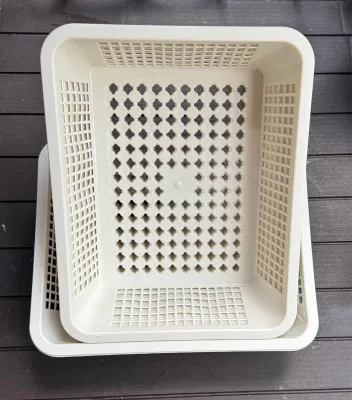
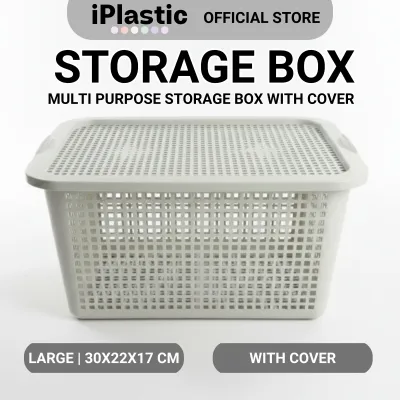
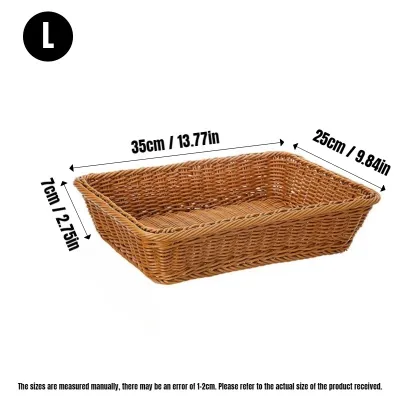
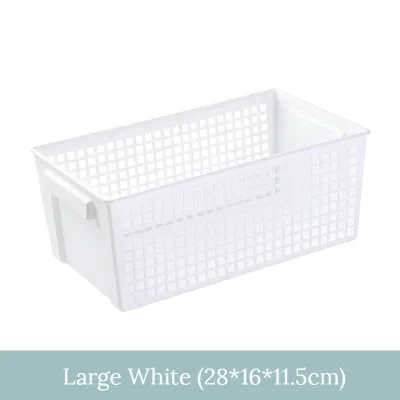
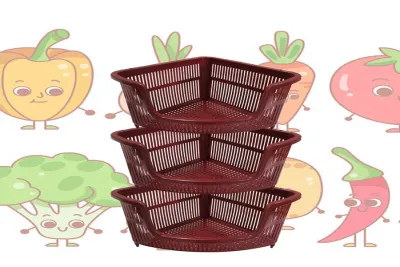
Prices are valid at publication and may change. Please refer to the product page for the latest price.
Gathering the right supplementary packing materials beforehand is essential for securing your items within the trays. Acquire high-quality stretch wrap, bubble wrap, clean packing paper, and heavy-duty zip ties or labels. Because basket trays often feature open tops or semi-open woven patterns, stretch wrap is your primary defense against dust, moisture, and sudden tropical downpours during the loading process. Keep these supplies organized in a central packing station so you can work efficiently without constantly searching for tools.
Cleaning your organizers is a critical step that prevents the transfer of dust, mold spores, or old residues to your clean belongings. Wipe down plastic trays with a mild sanitizing solution and dry them completely under a fan to prevent moisture buildup. For natural woven baskets, use a dry microfiber cloth or a soft-bristled brush to clear away dust from the crevices. Allowing the baskets to air out completely ensures that your packed clothes, pantry items, or toiletries remain fresh and odor-free throughout the moving process.
Step-by-Step Sorting and Packing Workflow
To maintain order during a hectic move, assign specific basket tray organizers to distinct rooms or item categories. Dedicate individual trays to localized zones, such as one for kitchen spices, one for daily bathroom toiletries, and another for desk electronics and chargers. This strict categorization prevents cross-contamination of spaces, ensuring that bathroom items do not end up mixed with kitchenware. It also allows you to pack incrementally, completing one small zone at a time without overwhelming your living area.

When placing items into a basket tray organizer, always follow a bottom-heavy loading strategy to maintain balance. Position denser, heavier items like bottled liquids, jars, or small books flat against the bottom of the tray to create a stable foundation. Place lighter, more delicate items such as cosmetic tubes, small decor pieces, or glassware carefully on top. This distribution of weight prevents top-heavy trays from tipping over during handling and protects fragile items from being crushed under heavier loads.
Integrating soft household textiles as internal padding is a highly efficient way to secure your items while saving on packing materials. Line the bottom and sides of your basket trays with hand towels, washcloths, clean t-shirts, or microfiber cloths. Use these soft fabrics to fill any empty gaps between items, preventing them from shifting or clashing together when the moving truck encounters bumpy roads. This dual-purpose technique cushions your valuables while simultaneously packing your everyday linens.
Avoid the temptation to overfill your basket trays, as overpacking compromises both safety and stackability. Leave a clear gap of at least two to three centimeters at the top of each tray to ensure that items do not spill over the edges during carrying. Keeping the contents below the rim allows you to apply a flat, secure layer of stretch wrap over the top. It also ensures that if you need to stack similar trays, the base of the upper tray will not rest directly on the delicate contents of the tray below.
Labeling and Stacking Strategies for Transit
A highly visible, consistent labeling system is key to a fast unpacking process at your destination. Avoid sticking paper labels directly onto woven baskets, as tropical humidity can cause the adhesive to peel off easily. Instead, write your labels on heavy-duty cardstock and secure them to the basket handles using zip ties or string, or apply packing tape over labels on plastic trays. Clearly write the destination room, a brief summary of the contents, and a bold “FRAGILE” warning if the tray contains breakable items.
Determining safe stacking limits for your organizers depends heavily on their material composition and structural design. Rigid plastic basket trays with reinforced rims are generally safe to stack two or three units high, provided the heaviest tray is placed at the very bottom. Woven baskets or trays with flexible walls should not be stacked directly on top of one another without support, as they can sag and damage the items inside. If you are unsure of a basket’s load capacity, place it individually on a shelf or secure it on the floor of the moving vehicle.
Protecting the open tops of your basket trays is vital for shielding your belongings from environmental hazards during transit. Wrap the entire tray—including the bottom and sides—in several layers of heavy-duty stretch wrap to seal the contents inside. This plastic barrier prevents road dust, insects, and unexpected rain showers from ruining your items while they are carried to and from the moving truck. It also keeps drawers or loose items from sliding out if a tray is accidentally tilted during the move.
Unpacking and Repurposing After the Move
When you arrive at your new home, use your labels to prioritize your unpacking workflow based on immediate daily needs. Set aside the trays labeled for the bathroom, basic kitchen prep, and bedroom electronics so you can access them on your very first night. Because these items are organized in shallow trays rather than deep boxes, you can use them directly from the baskets without having to unpack everything at once. This gradual approach reduces post-move exhaustion and keeps your new space tidy.
Once a basket tray organizer is emptied, inspect it thoroughly for any signs of wear, cracks, or broken weaves sustained during the move. Wipe down the surfaces with a damp cloth to remove any accumulated dust or static from the journey, and let them dry completely. Taking the time to clean and check your organizers immediately ensures they are in prime condition before you transition them into their next roles within your household.
Repurposing your basket trays for permanent home storage is the final, highly rewarding step of an organized move. These trays fit beautifully into kitchen pantries to group canned goods, under bathroom sinks to corral toiletries, or inside closets to divide clothing accessories. By transitioning your moving organizers into daily storage solutions, you eliminate the waste associated with single-use cardboard boxes and establish a clean, organized aesthetic throughout your new home.
Frequently Asked Questions (FAQ)
Can I stack basket tray organizers in the moving truck?
You can stack basket tray organizers in a moving truck only if they are made of rigid, non-collapsible materials like heavy-duty plastic or reinforced wood. Always place the heaviest, most stable trays on the truck floor or on a flat, secure shelf, and stack lighter trays on top. Avoid stacking woven baskets that lack a solid internal frame, as the weight can cause the lower baskets to warp, potentially damaging your belongings. If you must stack them, check the manufacturer’s guidelines to ensure you do not exceed the structural weight limits.
How do I protect fragile items inside a basket tray organizer?
To protect fragile items in an open basket tray, wrap each delicate object individually in bubble wrap or thick packing paper before placing it in the tray. Line the bottom of the basket with a soft buffer, such as a folded towel or foam sheet, to absorb road vibrations. Position fragile items snugly against one another so they cannot slide around, and fill any remaining empty spaces with crumpled paper or clean socks. Never place heavy items on top of fragile ones, and consider using cardboard dividers to keep delicate glassware separated.

Community discussion
Share your experience or ask a question. Comments are reviewed before publication.