
Using plastic pallets during a house move protects your boxed belongings from ground moisture, pests, and sudden tropical downpours while creating a highly organized, easy-to-move system. By elevating your cardboard boxes and heavy appliances off the floor, you establish a reliable barrier against damp concrete, garage spills, and unexpected leaks in the moving truck. When combined with proper stacking techniques and heavy-duty wrapping, these durable platforms transform loose, unstable piles of household items into secure, unitized loads that are much easier for your moving crew to handle.
Preparing Your Plastic Pallets and Packing Materials
Before you begin stacking your belongings, take the time to inspect each plastic pallet for structural integrity. Look closely for hairline cracks, chipped corners, or warped grids, especially around the feet and entry points where lifting equipment will make contact. A compromised pallet can fail under pressure, risking damage to your items and injury to your moving crew. Always verify the manufacturer’s load rating labels to ensure the pallet can support the weight of your specific items.
Gathering the right securing tools is just as important as selecting the pallets themselves. You will need high-quality, heavy-duty stretch wrap to bind your boxes together and secure them to the pallet base. Cardboard or plastic edge protectors are highly recommended to prevent the tight wrap from crushing the corners of your boxes. Additionally, keep a set of ratchet straps or heavy-duty tie-down straps on hand for securing larger, oddly shaped items like washing machines or refrigerators.
Products mentioned in this guide
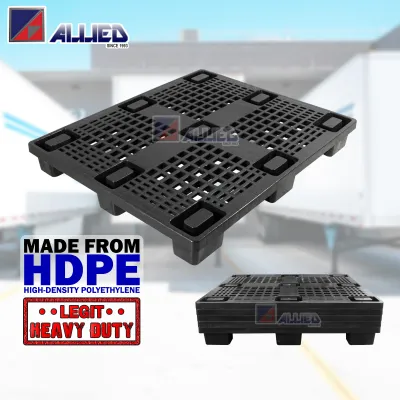
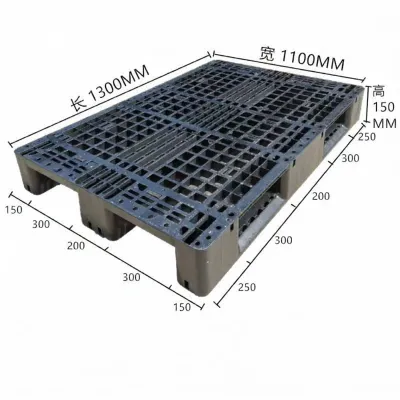
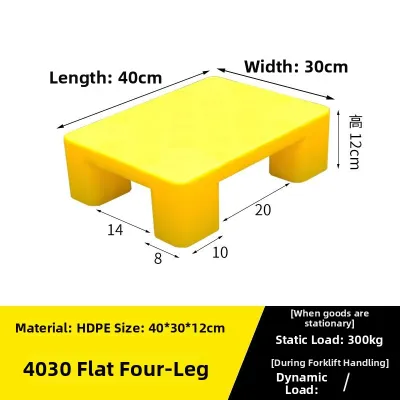
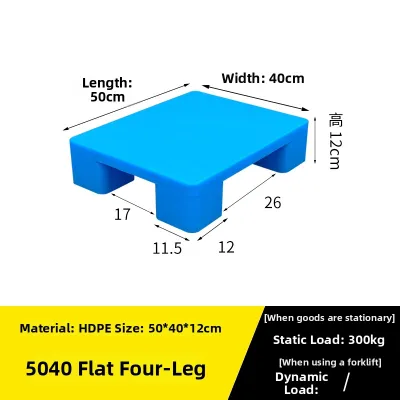
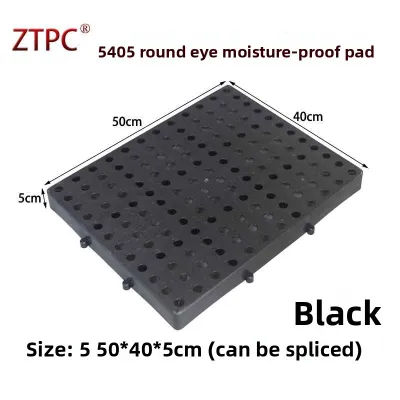
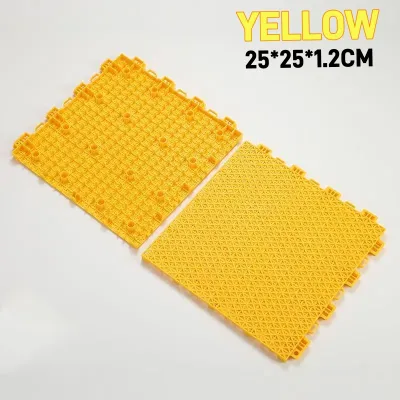
Prices are valid at publication and may change. Please refer to the product page for the latest price.
To estimate how many pallets you will need, calculate the total volume of your boxes and the available floor space in your moving vehicle. A standard plastic pallet typically measures around 100×120 centimeters. If you plan to stack your boxes four layers high, you can fit approximately twelve to sixteen medium-sized boxes on a single pallet. Divide your total box count by this estimate to determine the number of pallets required, keeping in mind the weight limits of both the pallets and your moving truck.
Step-by-Step Guide to Elevating and Stacking Boxes
Building a stable base is the most critical step when loading your plastic pallet. Always place your heaviest and largest boxes on the bottom layer, positioning them toward the center of the pallet to maintain a low center of gravity. This central weight distribution prevents the pallet from tipping or tilting when lifted by a hand jack or carried over uneven ground. Ensure these base boxes fit tightly against one another to eliminate empty spaces that could cause shifting.

As you build the upper layers, use an interlocking pattern similar to bricklaying rather than stacking boxes in single, isolated columns. Offsetting the seams of the boxes across layers distributes the weight more evenly and locks the entire structure together. Keep your lightest and most fragile boxes for the top layers to prevent them from being crushed under heavier loads. Aim to maintain a uniform, rectangular column shape that aligns perfectly with the edges of the pallet.
Once your boxes are stacked, secure the entire load by wrapping it tightly with heavy-duty stretch wrap from the bottom up. Tie the end of the wrap securely to one of the pallet’s feet, then begin wrapping around the base, ensuring the plastic film covers both the pallet frame and the bottom layer of boxes. This physical connection binds the boxes to the pallet, preventing the load from sliding off during transit. Continue wrapping upward, overlapping each layer by half, and finish with several tight wraps around the top layer.
Protecting Vulnerable Items from Moisture and Impact
One of the primary advantages of using plastic pallets during lipat bahay is the protection they offer against moisture. In tropical climates, concrete floors in garages, warehouses, and even moving trucks can hold significant dampness, which cardboard boxes quickly absorb. The raised grid structure of a plastic pallet creates a vital air gap that keeps your boxes elevated and dry. This simple elevation prevents the cardboard from softening, tearing, and spilling your belongings.
For highly sensitive items like electronics, documents, and solid wood furniture, add an extra layer of waterproof protection. Lay a heavy-duty plastic sheet or tarp over the pallet grid before you begin stacking your boxes. If you are moving during the rainy season, wrap individual electronics in plastic bags before boxing them, and wrap wooden furniture legs in bubble wrap to shield them from both moisture and potential scratches from the plastic grid.
To protect fragile items from physical impacts, position them strategically within the inner core of your pallet stack. During transport, pallets can bump against the sides of the moving truck or other cargo. By surrounding your delicate items with softer, sturdier boxes filled with clothes, blankets, or pillows, you create a natural shock-absorbing buffer. Never place fragile boxes on the outer corners of the pallet where they are most exposed to direct impacts.
Safety Checks and Transport Readiness
Before declaring a palletized load ready for transport, perform a gentle push test to verify its stability. Stand next to the wrapped stack and push it lightly from several angles to check for any wobble, leaning, or internal shifting. If the stack feels loose or sways significantly, the stretch wrap is not tight enough or the boxes are poorly balanced. Take the time to re-wrap or adjust the load now, as a shifting stack can easily tip over inside a moving truck.
Next, inspect the perimeter of the pallet to ensure absolutely no boxes overhang the edges. Overhanging boxes are highly susceptible to being crushed when the pallet is loaded flush against the truck walls or next to other heavy cargo. Keeping all boxes strictly within the boundaries of the pallet ensures that the rigid plastic frame, rather than your cardboard boxes, absorbs any contact or pressure during the journey.
Finally, look for visual signs of overloading or uneven weight distribution. Check the center of the plastic pallet for any bowing, sagging, or stress discoloration in the plastic. If you observe these signs, the load is too heavy or concentrated in one spot. Stop immediately and redistribute the weight by moving some of the heavier boxes to another pallet, ensuring a safe and successful transport for both your belongings and the moving crew.
Frequently Asked Questions (FAQ)
Can I use wooden pallets instead of plastic for lipat bahay?
While wooden pallets are common, plastic pallets are far better suited for protecting household items during a move. Wood is highly porous and can absorb moisture, spills, and unpleasant odors, which can easily transfer to your cardboard boxes. In tropical environments, wooden pallets also run the risk of harboring pests like termites or mold, which you do not want to introduce into your new home. Additionally, wooden pallets often have splinters, rough edges, and protruding nails that can puncture your boxes or cause injuries during handling. Plastic pallets offer a clean, moisture-resistant, and splinter-free alternative.
How do I clean and store plastic pallets after the move?
Cleaning plastic pallets after your move is quick and simple. Wipe down the surfaces with a damp cloth and a mild household cleaner to remove any dust, dirt, or road grime. If the pallets were exposed to mud or outdoor debris, you can easily hose them down, as the plastic material will not absorb water or warp. Allow them to dry completely in a shaded area. To store them, stack them flat on top of each other in a dry, cool space away from direct sunlight, as prolonged UV exposure can weaken the plastic over time.

Community discussion
Share your experience or ask a question. Comments are reviewed before publication.