
To fit a tight space between your bed and the wall without blocking movement, a narrow bedside table should typically be 20 to 45 centimeters (cm) wide. The exact width you need depends directly on your measured clearance, but even the tightest gaps can be accommodated with ultra-slim profiles under 25 cm, while more comfortable spaces allow for compact designs up to 45 cm. Finding the right fit requires balancing surface area with physical clearance to keep your bedroom functional and easy to navigate.
Understanding "Narrow": Standard vs. Slim Bedside Table Widths
Standard bedside tables usually range from 40 to 60 cm in width. While these dimensions offer generous drawer space and room for large lamps, they easily overwhelm smaller bedrooms, especially in modern urban condominiums where floor space is at a premium. When a standard table blocks a walkway or forces you to squeeze past the bed, transitioning to a narrow or slim bedside table becomes essential.
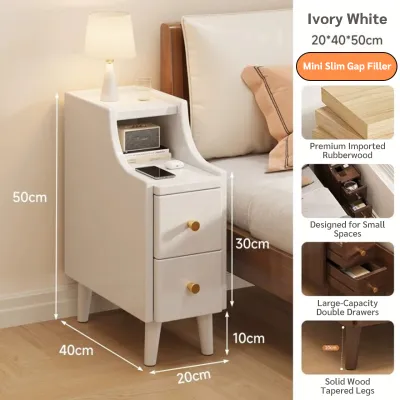
Narrow bedside tables generally fall into three distinct width categories. Ultra-slim options measure between 15 and 25 cm wide, designed specifically for tight crevices. Compact models range from 25 to 35 cm, offering a balance of surface space and a small footprint. Standard narrow tables measure between 35 and 45 cm, which still saves significant space compared to traditional designs while providing practical storage options like drawers.
Products mentioned in this guide
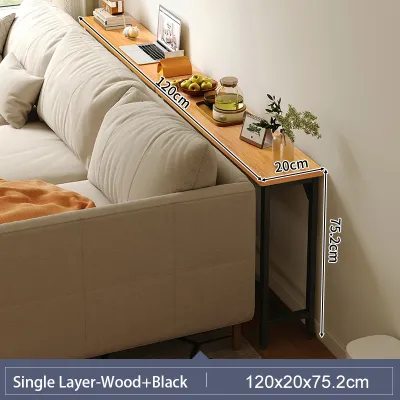
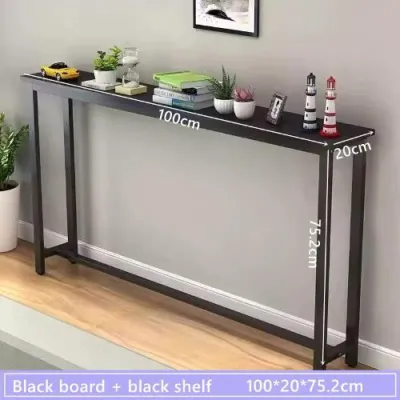
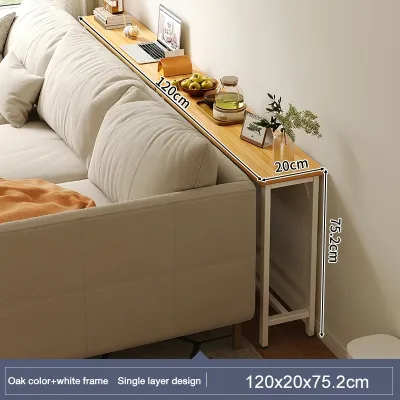
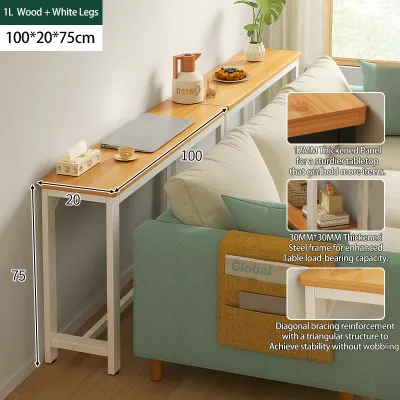
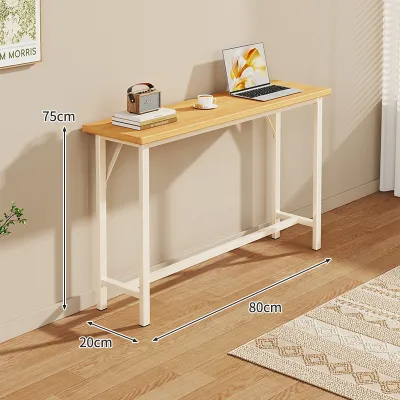
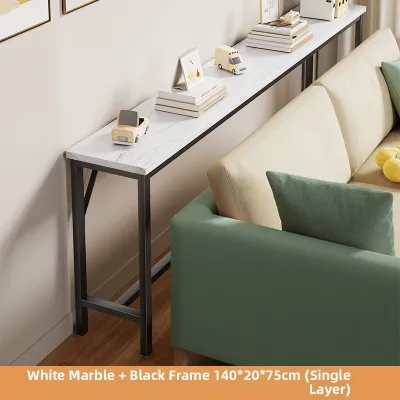
Prices are valid at publication and may change. Please refer to the product page for the latest price.
While width is the primary constraint, depth (front-to-back) and height are equally critical for functionality and visual balance. A table that is narrow but excessively deep can protrude past the bed frame, creating a tripping hazard. Similarly, the height must align comfortably with your mattress to ensure items are easy to reach. In humid tropical climates, selecting a design that allows air to circulate around the bed and wall helps prevent moisture retention and mold growth.
How to Measure Your Space for the Perfect Fit
Finding the perfect bedside table narrow enough for your space starts with precise measurements. Do not rely on visual estimates or soft sewing tapes. Use a rigid metal tape measure to find the exact distance from the outer edge of your bed frame to the wall. Ensure you measure at the specific height where the table will sit, as walls are not always perfectly plumb.

Always account for protruding architectural details that reduce your actual usable clearance. Measure from the outermost point of your baseboards or skirting boards, rather than the flat wall surface. Take note of wall textures, window sills, or decorative trim that might reduce the clearance higher up. If you plan to place the table next to a window, ensure it will not interfere with hanging curtains or drapes.
Ergonomic clearance is vital for maintaining a comfortable walking path. As a general rule, a main bedroom walkway should ideally have at least 50 to 60 cm of clear space. If your bedside gap is narrow, ensure the table does not force you to shuffle sideways. Keep the path clear of any sharp corners, especially if you need to navigate the room in the dark.
Map out all wall-mounted obstacles before finalizing your purchase. Identify the locations of electrical outlets, light switches, and telephone jacks. A table that blocks an outlet can prevent you from charging your phone or plugging in a lamp. Additionally, check the swing arcs of nearby doors, wardrobe doors, and drawer units to ensure they can open fully without colliding with the bedside table.
Finally, measure the height of your bed from the floor to the top of the mattress. A bedside table is most comfortable to use when its top surface is level with or up to 5 cm lower than the top of your mattress. This alignment allows you to reach for a glass of water or turn off an alarm without straining your arm or back. Additionally, consider the delivery route: measure your bedroom doorway, hallway corners, and condominium lift access to ensure the packaged furniture can easily reach your room.
Choosing the Right Width Based on Your Gap Size
Ultra-Slim Gaps (Under 25 cm)
If your bedside clearance is exceptionally tight, an ultra-slim table measuring under 25 cm is the most practical choice. These micro-tables are designed to fit into narrow crevices where a standard table would be impossible to place. Because the surface area is highly limited, these models are best used for holding absolute essentials, such as a smartphone, a pair of eyeglasses, or a small cup of water.
To maximize the utility of an ultra-slim footprint, look for designs that emphasize vertical storage. Multi-tiered racks, narrow shelving units, or slim pedestal tables leverage height to make up for the lack of width. When selecting these tall, narrow structures, prioritize models with weighted bases or those that can be safely anchored to the wall to prevent tipping.
Compact Gaps (25 cm to 35 cm)
For compact bedrooms, such as studio apartments and urban condos in the Philippines, a table width of 25 to 35 cm offers an ideal compromise. This size range provides enough flat surface to accommodate a small table lamp, a book, and a dedicated charging station. It fits neatly into tight layouts without making the bedside area feel cramped or cluttered.
When shopping within this range, look for open-frame designs or tables with slender metal legs. These styles maintain a sense of visual openness, allowing light and air to pass through, which makes a small bedroom feel larger. Ensure that any integrated shelves or small cubbies are easily accessible from the bed.
Standard Narrow Gaps (35 cm to 45 cm)
When you have slightly more room but still want to conserve floor space, a standard narrow table of 35 to 45 cm is highly functional. This width is sufficient to support traditional bedside storage, including small drawers or closed cabinets. It allows you to conceal personal items, charging cables, and reading materials, keeping your sleeping environment tidy and organized.
Because these tables have a more substantial presence, pay close attention to their construction and finish. In high-humidity environments, verify that wooden surfaces have a moisture-resistant protective coating and that joints are securely fastened. A well-constructed narrow drawer unit provides excellent utility without encroaching on your bedroom’s primary walking paths.
Space-Saving Alternatives for Extremely Tight Spaces
When even the narrowest freestanding bedside table cannot fit into your room’s layout, alternative space-saving solutions can keep your essentials within reach. Wall-mounted floating shelves or small drop-leaf tables are excellent options that completely eliminate the need for floor legs. This open floor space can make a small bedroom feel significantly more spacious and simplifies floor cleaning.
Before installing a wall-mounted shelf, always verify your wall type and structural capacity. Concrete, brick, and solid wood walls support heavier loads and require specific masonry anchors, while drywall or gypsum boards require finding studs or using heavy-duty hollow-wall anchors. Always check the manufacturer’s specified weight limit for both the shelf and the mounting hardware, and avoid placing heavy objects on floating units.
Clip-on trays and bed-attached shelves offer another convenient, drill-free alternative. These trays clamp directly onto the side rail of your bed frame, providing a small platform for a phone or cup. Before purchasing, measure your bed frame’s edge profile and thickness to ensure compatibility with the clamp mechanism.
Slim rolling utility carts can also serve as flexible bedside storage. If you have open space at the foot of the bed or a nearby closet, a rolling cart can be pulled close at night and tucked away during the day. Ensure the cart has locking casters to keep it stable when parked next to your bed.
Common Sizing and Placement Mistakes to Avoid
One of the most common mistakes when purchasing a narrow bedside table is neglecting to measure the depth. A table may be perfectly narrow from side to side, but if it is too deep, it will protrude past the mattress and block the passage. Always check the full product dimensions, ensuring the depth aligns neatly with your bed frame.
Another frequent oversight is ignoring drawer or door clearance. A bedside table with drawers or a swing-out cabinet door requires physical space to open. If the table is placed too close to a wardrobe, a wall, or the bed frame itself, you may find yourself unable to open the drawers fully, rendering the storage useless.
Never block essential utility access or ventilation paths. Placing a bedside table directly in front of an electrical outlet can damage power cords if the furniture is pushed too tight against the wall. In tropical climates, blocking air conditioning vents or restricting natural airflow around the bed can lead to uncomfortable hot spots and localized humidity buildup.
Lastly, avoid choosing a table with a height that is mismatched with your mattress. A table that is significantly taller than your bed makes reaching for items awkward and introduces a risk of knocking things over in the dark. Conversely, a table that is too low forces you to lean uncomfortably out of bed, which can strain your neck and back over time.
Frequently Asked Questions (FAQ)
What is the ideal height for a narrow bedside table?
The ideal height for a narrow bedside table is level with or slightly below the top of your mattress, typically ranging between 50 and 70 cm from the floor. This height range ensures that your arm can reach the tabletop naturally while you are lying down, minimizing physical strain and preventing accidental spills when reaching for items in the dark. To find your target height, measure from the floor to the top of your mattress, including any mattress toppers.
Can I use a small stool or plant stand as a narrow bedside table?
Yes, a small stool, plant stand, or nesting table can serve as an excellent narrow bedside table in tight spaces. These items often have compact footprints and a lightweight, minimalist aesthetic that fits well in small bedrooms. However, before using one, verify its stability, load capacity, and top surface area. Ensure the base is sturdy enough to prevent tipping, especially if you plan to place a lamp, water glass, or electronics on it.

Community discussion
Share your experience or ask a question. Comments are reviewed before publication.