
To store dinnerware efficiently in a buffet cabinet, the ideal drawer requires an internal front-to-back depth of at least 14 inches for standard plates and a shallow height of 3 to 4 inches for cutlery. Choosing the right dimensions prevents your prized ceramic plates from knocking against the drawer back and keeps heavy stacks stable during daily use. When planning your dining room storage, understanding how these measurements translate to real-world usability is the key to protecting your investment in tableware.
Clarifying Drawer Depth vs. Height for Dinnerware
In furniture design, “depth” refers to the front-to-back measurement of the drawer box, while “height” refers to the vertical distance from the drawer bottom to the top edge. Both dimensions dictate what can safely fit inside.
Depth is the limiting factor for the diameter of your plates. If a drawer’s internal depth is too shallow, a standard dinner plate simply will not lie flat. Height, on the other hand, determines how many bowls or plates you can stack vertically without hitting the cabinet frame when opening the drawer.
Products mentioned in this guide
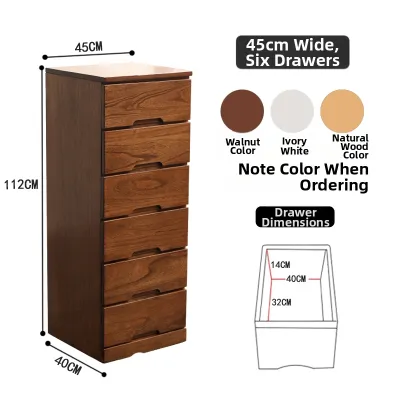
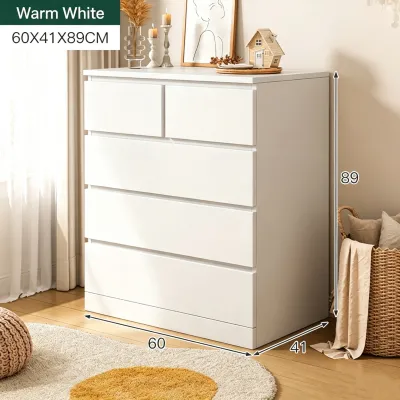
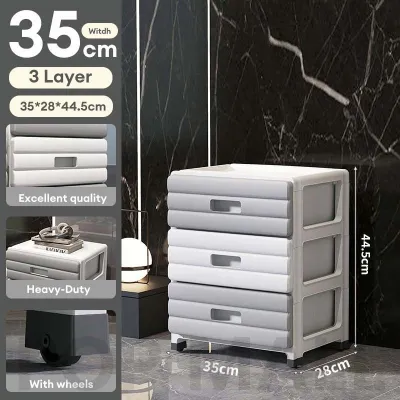
Prices are valid at publication and may change. Please refer to the product page for the latest price.
It is crucial to distinguish between the external drawer face—the facade you see when the cabinet is closed—and the actual internal usable space. The drawer box itself is always smaller than the front panel to allow room for runners, clearances, and structural joints.
Ideal Drawer Dimensions for Plates and Platters
Standard dinner plates typically measure between 10 and 12 inches in diameter. To accommodate these comfortably, a drawer needs an absolute minimum internal front-to-back depth of 14 inches. This provides enough clearance so the edges of the plates do not rub against the front or back panels of the drawer box.

Oversized serving platters, chargers, and festive family trays often exceed 12 inches, sometimes reaching 14 to 16 inches in length or diameter. If you plan to store these in your buffet cabinet, look for specialized deep-drawer units that offer an internal depth of 16 to 18 inches.
When evaluating a cabinet, remember that drawer slides, rear backing panels, and front handle hardware consume valuable space. Under-mount or side-mount drawer slides can reduce the usable internal width and depth by half an inch to an inch, which can make or break the fit of a large platter.
Space Requirements for Stacking Bowls and Mugs
Nesting bowls require careful spatial planning because their flared rims expand the overall footprint of the stack. A set of mixing or soup bowls might have diameters ranging from 6 to 8 inches, requiring a drawer with a height of at least 6 to 8 inches to accommodate a stack of four to six bowls safely.
Weight distribution is a major factor when stacking heavy stoneware or ceramic bowls. Stacking too high increases the pressure on the bottom bowls, raising the risk of hairline cracks, especially in humid tropical environments where moisture can affect the structural integrity of older glazes over time. Limit stacks to a reasonable height that is easy to lift.
To prevent bowls and mugs from clattering and chipping when the drawer is pulled open, utilize adjustable wooden pegs, padded dividers, or soft felt separators. These accessories keep the items anchored and absorb the kinetic energy of the drawer’s movement.
Shallow Drawer Configurations for Cutlery and Flatware
Standard flatware, including dinner knives, forks, and spoons, generally measures between 8 and 9 inches in length. To store these items comfortably, a shallow drawer needs an internal front-to-back depth of 10 to 12 inches, allowing the cutlery to lie flat and organized.
A shallow drawer height of 3 to 4 inches is ideal for flatware. Keeping the drawer shallow prevents utensils from sliding over one another or getting trapped underneath larger serving pieces, which often happens in deeper, unorganized drawers.
When organizing these shallow spaces, select cutlery trays or modular inserts that match the internal dimensions of the drawer. Look for adjustable dividers that can be customized to fit your specific flatware set, ensuring every spoon and fork has a dedicated, snug compartment.
How Storage Methods Change Your Depth Requirements
The way you choose to organize your dinnerware directly dictates the drawer dimensions you need. Horizontal stacking is the traditional method, requiring standard depth but significant vertical height. While simple, it increases the risk of chipping when you retrieve items from the bottom of the stack.
Vertical filing, where plates are stood on edge like files in a cabinet, is an increasingly popular alternative. This method requires less front-to-back depth but demands a much taller drawer height—typically 12 to 14 inches—along with sturdy tension rods or plate pegs to keep the dishes upright and separated.
Before purchasing a buffet cabinet, assess your preferred organization style. If you prefer the ease of grabbing a plate from a vertical rack, prioritize drawer height; if you prefer traditional stacks, focus on wide, deep drawers with robust bottom support.
Measuring Your Buffet Cabinet for Drawer Compatibility
To ensure your dinnerware fits perfectly, always measure the internal cavity of the buffet cabinet rather than relying on the manufacturer’s external dimensions. Open the drawer fully and measure the inside of the drawer box from the front panel to the back panel, and from the bottom panel to the top of the drawer side.
Account for the space occupied by drawer slides and structural supports. Side-mounted slides require clearance on both sides of the drawer box, while under-mount slides require vertical clearance beneath the drawer bottom, which can reduce the overall usable height inside the cabinet cavity.
Do not overlook the weight capacity of the drawer slides. A stack of ceramic plates can easily weigh several kilograms. Ensure the cabinet is equipped with heavy-duty, full-extension ball-bearing slides rated for the weight of your dinnerware to prevent the drawers from sagging, sticking, or failing over time.
Common Drawer Sizing Mistakes to Avoid
One of the most common mistakes is ignoring the internal clearance required for hardware and cabinet frames. A drawer might have a 14-inch external face, but the internal usable depth might only be 12 inches, making it impossible to store standard 12-inch dinner plates flat.
Another frequent error is overloading deep drawers without using dividers or non-slip liners. Without proper containment, heavy plates and bowls will slide around every time the drawer is opened or closed, leading to chipped edges and broken handles.
Finally, do not confuse the external facade dimensions of the buffet cabinet with its internal capacity. Always verify the actual internal measurements of the drawer boxes before making a purchase, ensuring your largest platters and serving bowls will fit comfortably without forcing the drawer shut.
Frequently Asked Questions (FAQ)
Can I store plates in a shallow drawer?
Yes, you can store plates in a shallow drawer if you use a vertical storage rack or plate pegs. This method allows you to file plates on their edges, which requires less vertical height than stacking them horizontally, provided the drawer has sufficient front-to-back depth to accommodate the plate diameter.
How do I prevent plates from sliding in a deep drawer?
To prevent plates from sliding, install high-quality non-slip drawer liners to increase friction. Additionally, you can use adjustable wooden pegs, tension rods, or custom drawer dividers to create dedicated, snug slots that keep your dinnerware securely in place during operation.

Community discussion
Share your experience or ask a question. Comments are reviewed before publication.