
Finding the perfect balance between functionality and floor space is a common challenge when furnishing a compact condominium. To fit seamlessly beside a standard sofa in a small living area, a narrow side table should typically have a width of 20 to 30 centimeters, a depth that matches or stays slightly behind the sofa’s armrest depth (usually 50 to 70 centimeters), and a height that sits within 5 centimeters of the armrest. Selecting the right piece requires careful physical measurements, an understanding of ergonomic reach, and a close look at structural stability.
In high-density urban areas where condo layouts prioritize efficiency, every square centimeter of floor space must be utilized intentionally. A side table that is even slightly too wide can block a primary walkway, while one that is too tall can disrupt the visual flow of the room. By focusing on precise dimensions and structural design, you can find a table that provides essential surface space for drinks, devices, or lighting without making your living room feel cramped.
Measuring Your Sofa and Available Floor Space
Before browsing online catalogs or visiting local furniture showrooms, you must establish the exact physical boundaries of your seating area. Start by measuring your sofa’s armrest height from the floor to the very top surface. Next, measure the overall depth of the sofa from the backrest to the front edge of the seat cushions, as well as the length of the armrest itself. These three figures form the baseline for your side table search.
Products mentioned in this guide
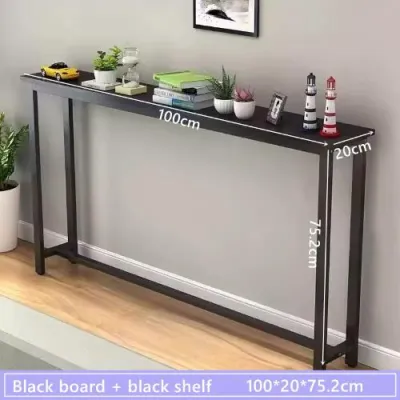
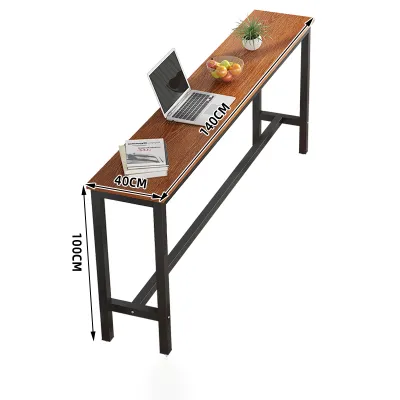
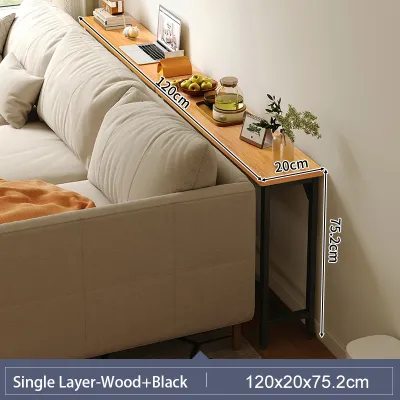
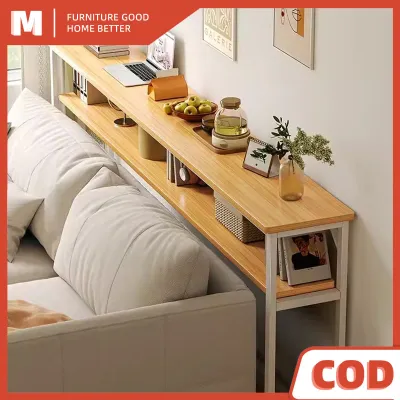
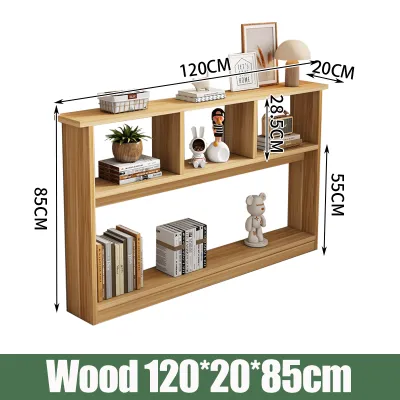
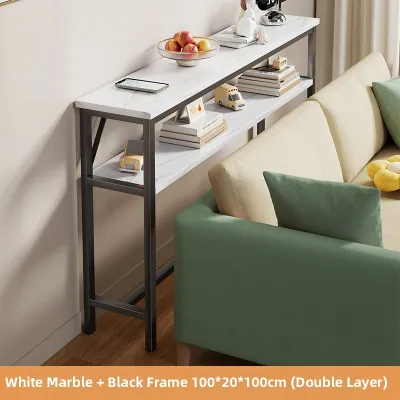
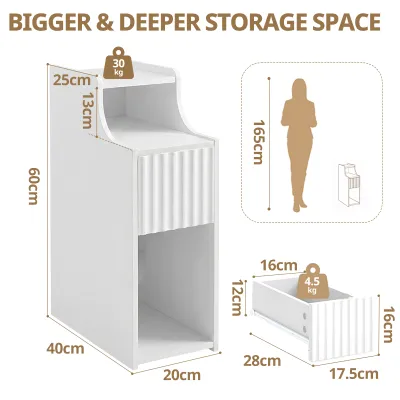
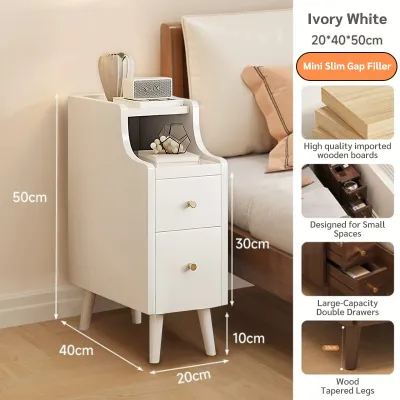
Prices are valid at publication and may change. Please refer to the product page for the latest price.
Once you have the sofa’s dimensions, map out the available floor footprint beside the armrest. Use painter’s tape or sheets of newspaper to outline potential table dimensions directly on the floor. This physical template allows you to walk around the space and experience how different widths and depths affect your daily movement through the room.
During this mapping process, look closely for nearby structural obstacles that could interfere with the table’s placement. Take note of wall outlets, light switches, baseboard protrusions, and internet ports that must remain accessible. Additionally, check if the table will interfere with the natural hang of window curtains or stand too close to wall-mounted air conditioning units and cooling vents.
Finally, always verify the delivery path before finalizing any furniture purchase. Measure the clearance of your condo’s entry door, interior hallways, and the building’s elevator or lift. Even a narrow side table must be able to navigate these tight communal spaces safely during delivery and assembly.
Matching Table Height to Your Sofa Armrest
For comfortable daily use, the height of your side table should align closely with the height of your sofa’s armrest. Ideally, the tabletop should sit level with or up to 5 centimeters below the armrest. This height range allows you to set down a glass, reach for a remote, or turn on a lamp naturally without straining your shoulder or bending awkwardly from a seated position.

When calculating this ideal height, remember to account for sofa cushion compression. When a person sits down, the seat cushions compress, which slightly lowers their seated posture and changes their natural reach line. If your sofa has exceptionally plush, deep cushions, a side table that sits slightly below the armrest height is often more comfortable than one that sits level with or above it.
It is also essential to inspect the design of the table’s base and legs in relation to your sofa’s frame. If your sofa has a low-profile base, a decorative skirt, or built-in reclining mechanisms, a side table with a bulky or wide base may not be able to sit flush against the side of the sofa. For sofas with minimal under-seat clearance, look for tables with thin, offset legs or open frames that do not interfere with the sofa’s structure.
Selecting Width and Depth for Tight Condo Layouts
In a compact living room, the depth of your side table should never exceed the depth of the sofa’s armrest. A table that protrudes past the front edge of the sofa creates a visual obstruction and a physical hazard that you are likely to bump into when navigating the room. Keeping the front of the table flush with or slightly recessed from the armrest maintains clean sightlines.
Width is where you must balance utility with spatial limits. While a wider table offers more surface area for decor and storage, a narrow width of 20 to 25 centimeters is usually sufficient for a single beverage, a phone, and a small task light. If you require more surface area but have limited width, look for multi-tiered designs that offer vertical shelving without expanding the table’s physical footprint.
To keep a small condo feeling bright and airy, pay close attention to the visual weight of the furniture. Heavy, solid wood block tables can make a small room feel crowded and dark. Instead, prioritize tables with open metal frames, glass tops, or light-colored finishes that allow light to pass through, creating the illusion of a larger, more open living space.
Because tropical climates often bring high humidity, check the manufacturer’s specifications regarding material finishes and care instructions. If you plan to place cold drinks on the table, look for surfaces with moisture-resistant sealants or powder-coated metal frames. This step helps prevent water rings, warping, or rust over time, ensuring the piece remains durable in daily use.
Avoiding Common Clearance and Proportion Mistakes
One of the most common mistakes in small-space design is failing to leave adequate walkway clearance around furniture. As a general rule, maintain a clear path of at least 60 centimeters between your side table and any adjacent walls, coffee tables, or media consoles. This ensures that family members and guests can move comfortably through the living room without having to squeeze past furniture.
Additionally, verify that the side table’s placement does not interfere with the functional elements of your condo. Ensure the table does not block the swing path of nearby doors, the opening of cabinet doors, or the access route to a balcony. A table that prevents you from fully opening a window or sliding door will quickly become a source of daily frustration.
Finally, be cautious of the relationship between a table’s height, width, and physical stability. A table that is exceptionally tall and narrow has a higher center of gravity, making it more prone to tipping if bumped. Always check the manufacturer’s assembly conditions and load capacity ratings to ensure the table can safely support your items without wobbling.
Frequently Asked Questions (FAQ)
Can a narrow side table be deeper than the sofa?
It is highly recommended to avoid choosing a side table that is deeper than your sofa. When a table protrudes past the front edge of the sofa armrest, it creates a prominent corner in a high-traffic area, increasing the risk of stubbed toes and accidental bumps. It also disrupts the clean, linear flow of a compact living room layout.
The primary exception to this rule is a C-shaped side table. These specialized tables feature an open, cantilevered base designed to slide directly under the sofa’s frame, allowing the tabletop to hover over the armrest or seat cushion. Because the base and surface slide inward, a C-table can have a slightly deeper top surface without obstructing the surrounding walkway.
How do I ensure a narrow table won't tip over?
Because narrow side tables have a smaller footprint, they are naturally more sensitive to weight distribution. To ensure stability, look for designs that feature a weighted bottom base or a low center of gravity, such as tables with heavy metal frames paired with lightweight tops. Avoid top-heavy designs made with thick, heavy stone or solid wood tops on thin, unweighted legs.
When setting up your table, check the manufacturer’s instructions for any included anti-tip hardware or leveling feet, which can compensate for slightly uneven condo tiling or flooring. Always place heavier items, such as books or table lamps, toward the center or bottom shelves of the table rather than on the outer edges to maintain balance.

Community discussion
Share your experience or ask a question. Comments are reviewed before publication.