
For a narrow bedroom, a slim bedside table should typically have a width of 12 to 16 inches (30 to 40 cm). If space is exceptionally tight, ultra-slim models measuring under 12 inches (30 cm) wide are available. However, the ideal width depends entirely on the physical clearance between your bed frame and the adjacent wall or furniture.
Finding the right balance between space-saving dimensions and functional storage is key to keeping a small bedroom organized. Selecting a bedside table that is too wide can block walkways, restrict access to closets, and make a room feel cramped. Conversely, an option that is too small might leave you without enough surface area to hold daily essentials like your phone, a glass of water, or a reading lamp.
Quick Guide to Bedside Table Widths
When furnishing a compact bedroom, every inch of floor space counts. Slim bedside tables are specifically engineered to maximize utility within a minimal footprint. The standard width range for these space-saving pieces generally spans from 12 to 16 inches (30 to 40 cm). This range is widely considered the sweet spot for slim designs, offering a practical compromise between surface area and physical clearance.
Products mentioned in this guide
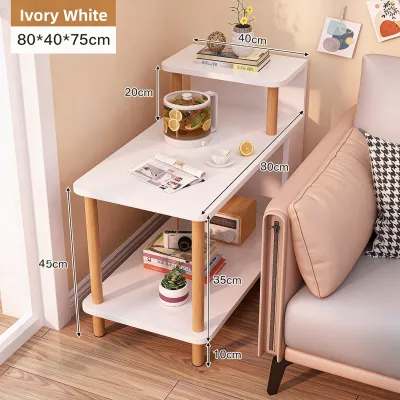
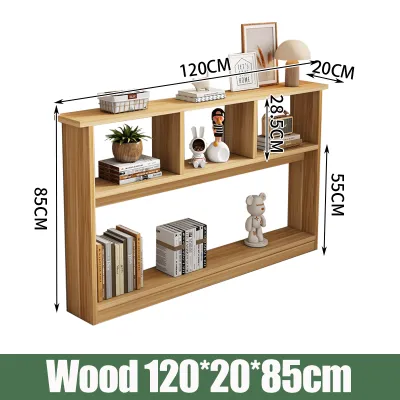
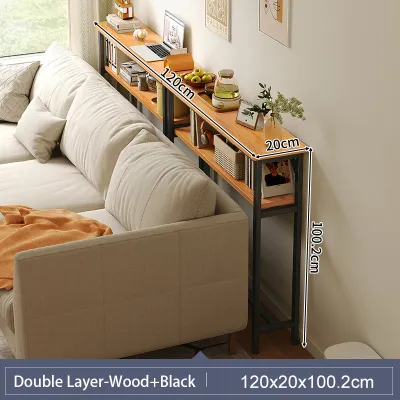
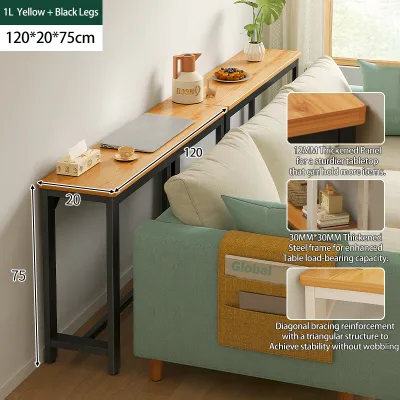
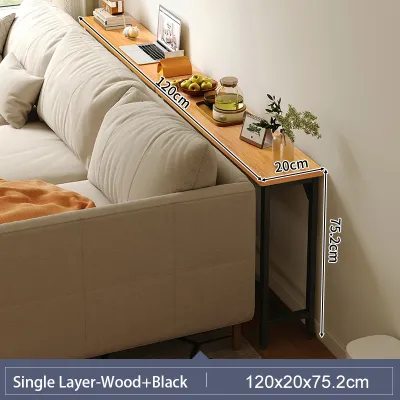
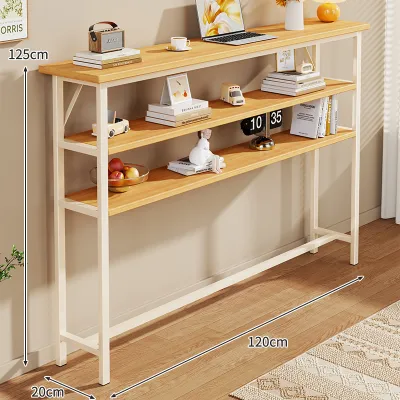

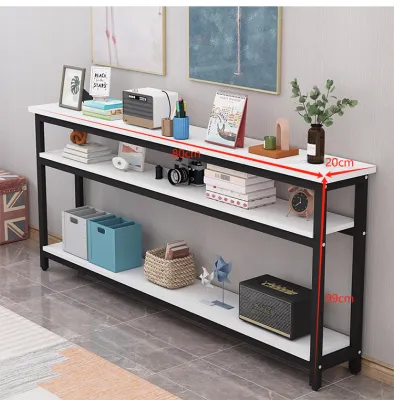
Prices are valid at publication and may change. Please refer to the product page for the latest price.
However, the ideal width is highly subjective and must be calculated based on your room’s specific layout. In modern urban homes, such as condominiums and townhouses where bedrooms are notoriously narrow, a standard 20-inch bedside table is simply too bulky. The primary factor in determining your purchase should always be the actual clearance space available between the edge of your bed frame and the nearest structural obstacle.
The ultimate goal of choosing a slim bedside table is to maintain a functional surface area without compromising the room’s walkways or air circulation. A cramped layout not only hinders movement but can also trap heat and moisture, which is a common concern in tropical climates. By selecting a width that matches your physical space, you ensure that your bedroom remains a relaxing, easily navigable sanctuary.
How to Measure Your Space Before Buying
To avoid the hassle of returning furniture, conduct precise measurements of your bedroom layout before making a purchase. Do not rely on visual estimation, as even a discrepancy of half an inch can prevent a drawer from opening or block a walking path.

First, measure the exact gap between the outermost edge of your bed frame and the adjacent wall, wardrobe, or other furniture. It is a common mistake to measure from the edge of the mattress, but many bed frames—especially upholstered, platform, or wooden designs—extend several inches beyond the mattress itself. Use a metal tape measure for accuracy and measure at the specific height where the bedside table will sit.
Second, factor in standard walkway clearance guidelines to ensure you can move around the bed comfortably. Interior design standards generally recommend maintaining at least 24 to 30 inches (60 to 76 cm) of clear walking space in primary pathways. In extremely narrow bedrooms, you may need to reduce this walkway, but try to keep an absolute minimum clearance of 18 inches (45 cm) to avoid having to squeeze sideways past your furniture.
Third, identify hidden space-eaters that might interfere with your bedside table’s placement. Baseboards and skirting boards can prevent a table from sitting completely flush against the wall, effectively stealing up to an inch of space. Additionally, take note of protruding window sills, low-hanging curtains, electrical outlets, light switches, and the swing radius of nearby closet doors or the main bedroom door.
Fourth, subtract a small buffer of 1 to 2 inches (2.5 to 5 cm) from your total measured gap. This buffer provides essential visual breathing room, making the layout look intentional rather than stuffed. It also prevents the bedside table from scraping against your bed frame or walls during daily use and allows for easier cleaning and wiping away dust.
Fifth, consider the practical logistics of delivery, access, and assembly. Before purchasing a finished, pre-assembled bedside table, verify that its outer dimensions can easily clear your building’s doorways, narrow hallways, stairwells, or elevator cabins. If you select a flat-pack model that requires home assembly, ensure you have a flat, stable area of floor space to put the piece together safely without damaging the panels or your flooring.
Choosing the Right Width Category
Bedside tables designed for tight spaces generally fall into two distinct width categories. Understanding the strengths and limitations of each category will help you select the option that best matches your storage needs and spatial constraints.
Ultra-Slim Tables (Under 12 Inches / 30 cm)
Ultra-slim bedside tables are specialized solutions designed for extremely tight spaces where the gap between the bed frame and the wall is under 15 inches (38 cm). These exceptionally narrow pieces prioritize a minimal footprint over expansive storage, making them ideal for micro-condos, guest rooms, or loft spaces.
Because the surface area of an ultra-slim table is limited, these designs typically focus on holding only your absolute essentials, such as a smartphone, a single glass of water, or a pair of reading glasses. To compensate for the narrow tabletop, many ultra-slim models utilize vertical storage configurations. You will often find designs featuring multiple shallow tiers, open vertical cubbies, or built-in fabric pockets that allow you to organize items vertically without expanding the table’s width.
When selecting an ultra-slim table, pay close attention to its stability and load capacity. Because these units are tall and narrow, they can have a higher center of gravity, making them more prone to tipping if placed on uneven flooring or overloaded with heavy items. Always check the manufacturer’s assembly conditions and ensure the unit is placed on a flat, level surface to maintain safety and stability.
Standard Slim Tables (12 to 16 Inches / 30 to 40 cm)
Standard slim bedside tables represent the sweet spot for most narrow bedrooms. This category successfully balances a compact, space-saving footprint with the practical utility of a traditional bedside companion, making it the most popular choice for urban homes.
With a width of 12 to 16 inches, these tables provide sufficient surface area to accommodate a standard-sized table lamp, a book, a charging dock, and a few personal items without feeling cluttered. This width also allows for more diverse storage configurations, such as built-in drawers, cabinets, or pull-out trays that help keep your bedside clutter out of sight.
To place a standard slim table comfortably, your bedroom layout should ideally provide at least 18 to 20 inches (45 to 50 cm) of total clearance between the bed frame and the wall. This ensures that you have enough physical space to access the table’s storage features easily and move around the side of the bed without bumping your shins or elbows.
Balancing Width with Depth and Height
When shopping for a bedside table, focusing solely on width can lead to a mismatched purchase. To ensure the table functions harmoniously within a narrow bedroom, you must also evaluate its depth, height, and visual weight.
The depth of your bedside table is just as critical as its width. A table can have a wonderfully slim width, but if its depth is excessive, it will protrude far past the head of your bed and block your walking path. For narrow bedroom layouts, look for shallow depths, typically under 12 to 14 inches (30 to 35 cm). Ideally, the front of the bedside table should align closely with the natural line of your pillows or headboard, keeping the walkway completely clear.
Height alignment is another key factor for both comfort and visual balance. The top surface of your bedside table should sit level with, or slightly below (by 1 to 2 inches), the top of your mattress. Standard mattress heights, including the bed frame and foundation, usually range from 24 to 28 inches (60 to 71 cm) from the floor. Keeping the table at this height allows you to easily reach for a glass of water or turn off your alarm from a lying position without straining your back or shoulders.
Furthermore, consider the visual weight of the furniture piece. In a small, narrow bedroom, a solid, block-like wooden cabinet can make the space feel dark, heavy, and claustrophobic. Instead, opt for designs with slender legs, open lower shelves, or light-colored finishes. These design elements allow light to pass through the space, creating an illusion of openness and promoting better air circulation around the bed.
In humid tropical climates, do not assume that a material name alone guarantees long-term durability or resistance to moisture. For solid wood, engineered wood, or metal tables, check the manufacturer’s care instructions and inspect the quality of the protective finish and joints. Ensuring the table has a high-quality, moisture-resistant sealant or laminate will help prevent warping, peeling, or mold development in rooms with high humidity.
Space-Saving Alternatives for Tight Layouts
If your bedroom measurements reveal that even the slimmest freestanding bedside table will block your walkways, you do not have to go without bedside storage. Several innovative, space-saving alternatives can provide the functionality you need without occupying valuable floor space.
Floating shelves are an excellent wall-mounted alternative that offers a zero-floor-footprint solution. By mounting a small shelf directly to the wall beside your bed, you keep the floor completely clear, which makes cleaning easier and maintains an open, airy aesthetic.
When installing wall-mounted shelves, first check the shelf manufacturer’s instructions and the weight capacity limits of the product. It is critical to identify your wall type before drilling. In many homes, walls may consist of solid concrete, concrete hollow blocks, or drywall. If the manufacturer’s instructions conflict with your wall type, or if the wall material is unidentified, stop and consult a qualified professional builder or handyman. Incorrect anchoring can damage your wall, void the product warranty, or lead to structural failure.
Another clever alternative is the C-table. These tables feature a unique C-shaped metal or wooden frame where the base slides directly under your bed frame, allowing the tabletop to hover over the edge of your mattress. This design completely eliminates the need for side clearance between the bed and the wall, making it an incredibly efficient choice for ultra-narrow layouts.
For minimalist needs, consider attachable options such as bed caddies or clip-on bedside trays. Bed caddies made of durable felt or canvas drape over the side of your mattress or bed frame, offering pockets to hold your phone, remote, and reading glasses. Clip-on trays attach directly to the bed rail, providing a small, stable platform for a drink or book without taking up any wall or floor space.
Common Sizing Mistakes to Avoid
Avoiding common pitfalls during the selection process will save you time, money, and frustration, ensuring your narrow bedroom remains highly functional.
One of the most frequent errors is mistaking mattress dimensions for the actual bed frame width. Many modern bed frames, particularly platform beds, upholstered frames, or wooden designs with decorative ledges, extend several inches beyond the mattress. Always measure from the outermost edge of the frame to ensure your calculations are accurate.
Another mistake is forgetting to measure the depth of the table relative to nearby doors and drawers. A slim bedside table might fit perfectly in width, but if it is too deep, it can block closet doors, wardrobe drawers, or even the main bedroom door from opening fully. Ensure you map out the swing paths of all nearby doors before finalizing your purchase.
Finally, avoid choosing a narrow table with outward-opening drawers or cabinet doors if your clearance is extremely tight. Pulling a drawer straight out into a narrow gap can be physically difficult and may hit the bed frame or your legs. For tight spaces, prioritize tables with open shelves, sliding doors, or top-drop compartments, which provide easy access to your belongings without requiring extra physical clearance.

Community discussion
Share your experience or ask a question. Comments are reviewed before publication.