
Yes, 18mm plywood is generally thick enough for bookshelf shelves, making it one of the most reliable choices for home libraries and study rooms. However, its ability to support your books without sagging depends on several critical structural factors. While an 18mm panel can easily handle a full load of novels over a short distance, a long, unsupported span packed with heavy textbooks will eventually bow.
Understanding how to manage span, load, and support methods is key to ensuring your shelving remains flat and stable over years of use. By applying a few basic woodworking principles, you can confidently use this common material thickness for a wide variety of shelving projects.
Key Variables That Affect Shelf Sagging
Several physical factors dictate whether an 18mm plywood panel will maintain its shape or begin to sag under the weight of your collection. The most critical variable is the shelf span, which is the unsupported horizontal distance between the vertical side panels or dividers. As the span increases, the resistance of the plywood to bending decreases exponentially. Even a slight increase in length can significantly increase the risk of noticeable deflection.
Products mentioned in this guide


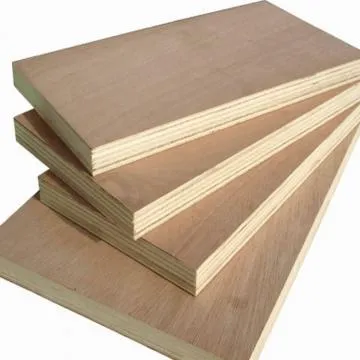
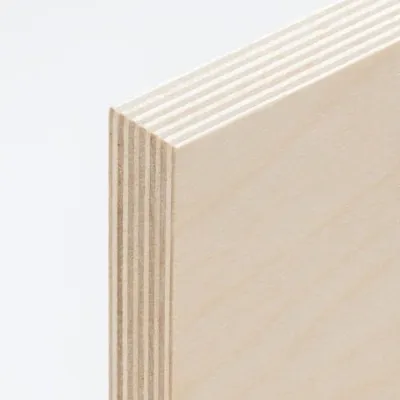
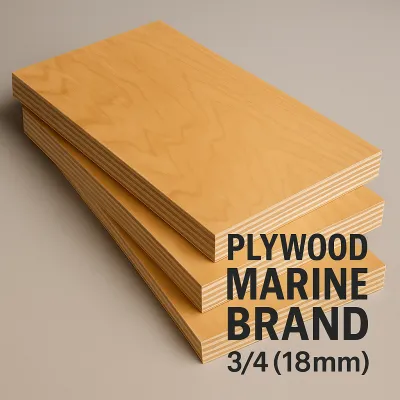
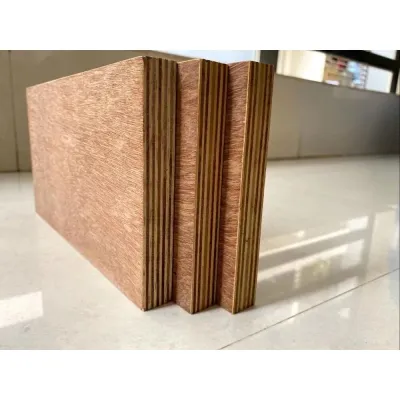
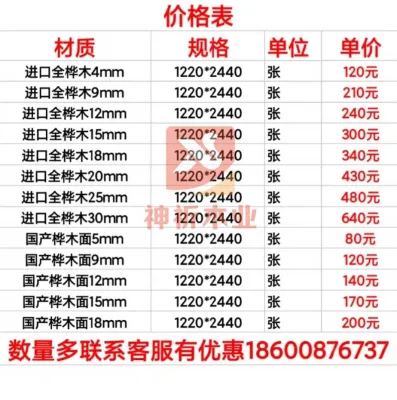
Prices are valid at publication and may change. Please refer to the product page for the latest price.
The type of load also plays a major role in structural performance. Densely packed, heavy hardcover books, law journals, or large binders exert a continuous, heavy downward force. In contrast, lightweight decorative items, photo frames, or paperbacks distribute far less weight across the surface.
Additionally, the support structure determines how weight is transferred to the vertical frame. Shelves secured with fixed dados or continuous wood cleats offer far more structural rigidity than those resting on small, adjustable metal or plastic shelf pins, which concentrate the load at specific points.
Finally, the material grade and core composition of the plywood affect its overall stiffness. Plywood is made of laminated wood veneers, and cheaper utility grades often contain internal core voids or gaps where the veneers do not meet. These hidden voids weaken the panel’s structural integrity. The wood species used in the core also matters; hardwood cores generally offer greater resistance to bending than softer wood species.
Ideal Scenarios for 18mm Plywood Shelves
An 18mm plywood sheet is highly reliable when used within its structural limits. It performs exceptionally well on shorter unsupported spans, typically under 75 to 80 centimeters. Within this range, the natural stiffness of the plywood easily resists the downward force of standard books, keeping deflection virtually invisible to the eye. If you are building a modular bookcase or a cabinet with multiple vertical dividers, keeping the individual shelf compartments narrow allows 18mm plywood to perform beautifully without any extra reinforcement.

Fixed installations also maximize the strength of 18mm plywood. When shelves are glued and screwed into dados cut into the side panels, or when they are firmly attached to a solid, continuous back panel, the entire structure acts as a single cohesive unit. The back panel prevents the shelves from bowing downward along the rear edge, effectively doubling the shelf’s resistance to sagging. This setup is ideal for home offices where you need clean, open shelving for a mix of novels, storage boxes, and decorative items.
Additionally, 18mm plywood is perfect for mixed-use storage. If your shelves are intended to hold a combination of media, such as vinyl records, lightweight paperbacks, and framed photos, the distributed load remains well within safe limits. By avoiding solid, unbroken rows of heavy reference books on long shelves, you can confidently use 18mm plywood as your primary shelving material, enjoying a sleek profile that does not look overly bulky.
When to Reinforce or Upgrade Your Shelves
There are specific situations where standard 18mm plywood requires reinforcement or an upgrade to a thicker material. If your design calls for long, open spans exceeding 90 centimeters, and you plan to fill them entirely with heavy textbooks, law volumes, or thick binders, standard 18mm plywood will likely sag over time. This is especially true in humid environments, where moisture in the air can gradually soften the wood fibers and adhesives, accelerating the bowing process under heavy loads.
Adjustable shelving systems that rely solely on small, localized shelf pins are also high-risk areas. Because the shelf is only supported at four small points near the corners, the center of the span lacks any structural reinforcement. If you must use adjustable shelves over longer spans, you should implement practical reinforcement strategies.
Adding a solid wood edge banding—typically 2 to 5 centimeters deep—glued and nailed to the front edge of the plywood significantly increases the shelf’s resistance to bending. This edge band acts as a structural beam, stiffening the entire front span. Other effective solutions include installing a vertical center support or a divider beneath the shelf to split the span in half. Alternatively, you can attach a solid wood cleat along the back wall or the rear of the cabinet to support the back edge of the plywood. If reinforcement is not visually desirable for your design, upgrading to 25mm plywood or using double-layered panels is a safer choice for long, heavy-duty spans.
How to Inspect Plywood Quality Before Building
Before you begin cutting and assembling your bookshelf, verifying the physical integrity of your plywood is essential for long-term stability. Start by closely inspecting the exposed edges of the plywood sheet. Look for visible core voids, overlapping veneers, or gaps between the layers. High-quality plywood should have tightly packed, uniform layers with minimal to no voids. Large gaps inside the core create weak spots that can cause the shelf to bend or delaminate under pressure.
Next, check the manufacturer labels or product specifications to identify the core material. Hardwood plywood, such as marine plywood or panels made with local hardwood veneers, offers superior density and stiffness compared to lightweight softwood plywood. In tropical climates, choosing plywood bonded with moisture-resistant adhesives is highly beneficial, as it helps prevent the layers from separating when exposed to seasonal humidity.
Finally, confirm the actual thickness and flatness of the sheet. Use a caliper to measure the edges, as some panels labeled as 18mm may actually measure slightly thinner, which reduces their load capacity. Lay the sheet flat on a level workshop floor or bench to check for any pre-existing warps, twists, or bows. Starting your project with a perfectly flat, high-density sheet ensures your finished bookshelf remains straight, stable, and capable of supporting your library for years to come.
Frequently Asked Questions (FAQ)
Does applying edge banding increase a shelf's weight capacity?
Yes, applying solid wood edge banding significantly increases a shelf’s stiffness and weight capacity. When you glue and nail a strip of solid hardwood to the front edge of an 18mm plywood shelf, it acts as a structural nose or beam. This vertical profile resists bending much better than flat plywood alone, allowing the shelf to carry heavier loads with less deflection. However, edge banding has its limits; it cannot entirely prevent sagging on excessively long, unsupported spans under extreme weight, so proper span planning remains essential.
What should I do if my existing plywood shelves are already bowing?
If your existing plywood shelves are already bowing, the first step is to remove the heavy items and redistribute the weight, placing the heaviest books near the supported sides rather than in the middle. For a quick fix, you can flip the shelf over so the bow curves upward; over time, the weight of the books may help flatten it out, though this is a temporary solution. For a permanent fix, you can install a solid wood support cleat along the back wall under the shelf, add a vertical center divider, or attach a solid wood face frame to the front edge to restore structural rigidity.

Community discussion
Share your experience or ask a question. Comments are reviewed before publication.