
A 185cm steel wardrobe offers a highly durable, space-efficient storage solution, but determining if it is the right fit for your bedroom requires balancing physical room dimensions with your personal storage habits. Standing at approximately 6 feet and 1 inch tall, this height is generally considered a mid-to-tall utility size that fits comfortably under standard residential ceilings while providing substantial vertical storage. Whether this specific unit suits your home depends on your room’s clearance, your physical reach, and the types of clothing you need to store. By evaluating your floor plan and storage needs before purchasing, you can ensure the wardrobe functions seamlessly without overwhelming your living space.
Assessing Your Bedroom Space for a 185cm Wardrobe
To determine if a 185cm steel wardrobe will fit your bedroom, start by measuring your ceiling height. While most standard residential ceilings easily accommodate a 185cm frame, you must ensure there is adequate clearance above the unit. A gap of at least 15 to 20 centimeters is highly recommended to allow for proper air circulation, which helps prevent heat and moisture buildup. This overhead clearance is also critical during assembly, especially if the wardrobe must be tilted upright or built from the top down.
Next, calculate the exact floor footprint of the wardrobe. Use painter’s tape to outline the width and depth of the unit on your bedroom floor. This physical outline helps you verify that the wardrobe will not block walkways or interfere with other furniture. If the wardrobe features swing-out doors, measure the door radius to ensure they can open fully without hitting your bed, nightstands, or entryways. For tight spaces, a sliding-door model or a unit placed away from high-traffic pathways is often more practical.
Products mentioned in this guide
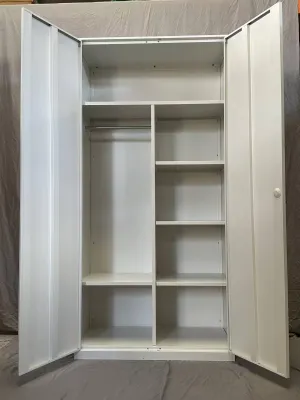

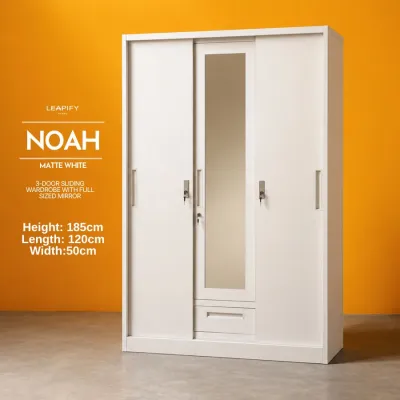
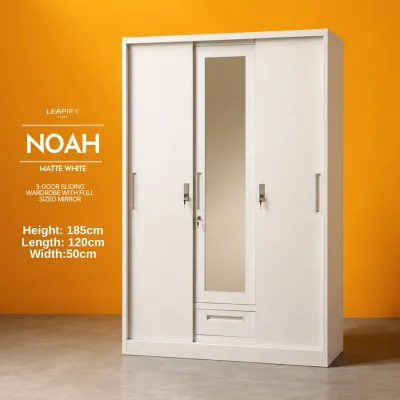
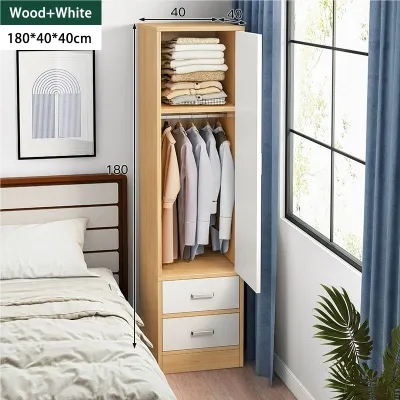
Prices are valid at publication and may change. Please refer to the product page for the latest price.
Finally, consider the visual proportion of a metal wardrobe in your room. A solid steel structure that stands 185cm tall can appear visually heavy, particularly in smaller bedrooms. To keep the room from feeling cramped, position the wardrobe against a primary wall or in a corner where it does not block natural light from windows. Ensuring a clear pathway of at least 60 centimeters around the wardrobe allows you to move freely and access your belongings comfortably.
Evaluating Storage Capacity and Internal Layout
The utility of a 185cm wardrobe depends heavily on how its internal space is configured. At this height, the wardrobe typically features a combination of hanging rods, shelves, and sometimes drawers. Before buying, check the vertical distance between the hanging rod and the bottom of the compartment. If you plan to hang long garments such as maxi dresses, long coats, or traditional formal wear, you will need a continuous vertical clearance of at least 110 to 130 centimeters. Measuring your longest garments beforehand prevents your clothes from bunching at the bottom of the wardrobe.

Shelving and drawer arrangements must also align with your daily storage needs. Adjustable shelves offer the greatest flexibility, allowing you to customize the compartment heights for folded t-shirts, bulky bedding, or storage boxes. If you store shoes or heavy accessories inside, look for reinforced shelving options. Keep in mind that steel shelves are rigid, so verifying their individual load capacities in the manufacturer’s specifications is essential to prevent bending over time.
User height is another practical factor when selecting a 185cm wardrobe. For many users, reaching the very top shelf of a 185cm unit may require stretching or using a small step stool. Consider what items you will store on these upper levels; it is best to reserve the highest shelves for seasonal items, extra linens, or things you do not need to access daily. Ensuring you can safely reach all frequently used compartments prevents physical strain and reduces the risk of items falling.
Practical Considerations for Steel Wardrobes
Steel wardrobes offer excellent structural integrity, but their weight and material properties require careful consideration. A fully loaded steel wardrobe is exceptionally heavy, which provides stability but makes it difficult to reposition. Before assembly, decide on a permanent location to avoid the hassle of moving it later. Check the manufacturer’s specifications for the overall weight capacity of the frame and individual shelves to ensure it can support your entire wardrobe without structural stress.
In humid tropical climates like the Philippines, rust prevention is a primary concern for any metal furniture. High humidity levels can cause untreated steel to corrode over time. When shopping, verify that the wardrobe features a high-quality powder-coated or epoxy finish, which acts as a protective barrier against moisture. Regular maintenance, such as wiping down the exterior with a dry microfiber cloth and keeping the room well-ventilated, will help preserve the finish and prevent rust from developing on joints and edges.
Additionally, metal-on-metal contact can create noticeable noise during daily use. Steel doors and drawers may clatter or ring when closed quickly. To minimize this, check the product specifications for built-in dampening features, such as rubber bumpers, magnetic latches, or soft-close hinges. If the model you choose lacks these features, you can easily apply aftermarket adhesive silicone bumpers to the inside corners of the doors to ensure quieter operation.
Measuring and Installation Checklist
Before finalizing your purchase, complete a thorough delivery and installation check to avoid logistical issues. Measure the width and height of all entry points, including front doors, hallways, stairwells, and bedroom doorways. Even if the wardrobe is delivered flat-packed, the individual boxes can be long and heavy, requiring clear pathways and sufficient turning radius around tight corners or staircase landings.
Once the wardrobe is in the room, check the levelness of your floor. Uneven floors are common and can cause a tall steel wardrobe to lean, which puts uneven stress on the frame and causes the doors to misalign or fail to close properly. Use a spirit level to check the floor surface. If the floor is uneven, use adjustable leveling feet or shim pads under the base of the wardrobe to ensure the entire structure stands perfectly plumb.
Safety is paramount when installing tall furniture. A 185cm steel wardrobe poses a tip-over hazard, particularly when doors are opened or if shelves are loaded unevenly. This risk increases significantly in households with young children or pets who might attempt to climb the unit. Always anchor the wardrobe securely to the wall using the manufacturer-provided anti-tip kits or heavy-duty wall anchors suitable for your specific wall type, whether concrete, brick, or drywall.
Frequently Asked Questions (FAQ)
Can I assemble a 185cm steel wardrobe by myself?
While flat-packed steel wardrobes often come with clear instructions, assembling a 185cm unit alone is not recommended. Steel panels are heavy, rigid, and awkward to balance. You will need a second person to help hold the tall side panels upright and steady the frame while you secure the screws or locking mechanisms. Basic tools like a rubber mallet and a screwdriver are typically required.
How do I prevent a steel wardrobe from rusting in a humid room?
To prevent rust, ensure the wardrobe has a factory-applied powder coating. Position the unit away from damp walls and avoid hanging damp or wet clothes inside. Maintain good room ventilation by using a fan or dehumidifier, especially during the rainy season. Periodically inspect the corners and joints for scratches, and touch up any exposed metal promptly with rust-inhibiting paint.
Is a 185cm height suitable for hanging long dresses or coats?
A 185cm external height can accommodate long garments, but you must verify the internal layout. The actual hanging clearance depends on the position of the rod and whether there are shelves or drawers underneath. Measure your longest dress or coat from the hanger hook to the hem, and compare this to the internal vertical space specified in the product manual.

Community discussion
Share your experience or ask a question. Comments are reviewed before publication.