
Choosing the right bed in a tropical country requires balancing comfort, space, and temperature control. In the Philippines, where high humidity and warm temperatures persist year-round, a standard polyurethane foam mattress is often the go-to choice for budget-conscious households, boarding houses, and compact studio apartments. A 30×75 single foam mattress, a highly popular size locally, offers a practical footprint for tight spaces, but its solid synthetic composition presents distinct challenges when it comes to heat retention and moisture management.
While traditional foam mattresses are highly accessible and easy to move, they naturally behave differently in tropical climates compared to open-structure spring beds. Understanding how these materials interact with heat and humidity, how to optimize your bed setup, and when to look for alternative materials will help you decide if this classic sleeping surface can deliver a comfortable night’s sleep in your home.
How Traditional Foam Reacts to Tropical Heat and Humidity
Traditional polyurethane foam is manufactured through a chemical process that creates a dense network of tiny, closed or semi-open cells. While this structure provides excellent, uniform body support and prevents the mattress from sagging immediately, it inherently restricts airflow. Unlike innerspring mattresses, which are mostly empty space inside, a solid block of foam acts as an insulator. When you lie down, your body heat is absorbed by the foam and trapped within these dense cells, gradually warming the surface directly beneath you.
Products mentioned in this guide

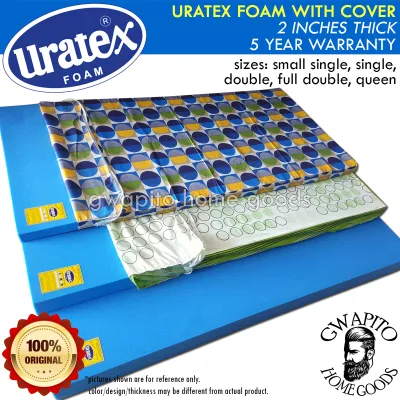
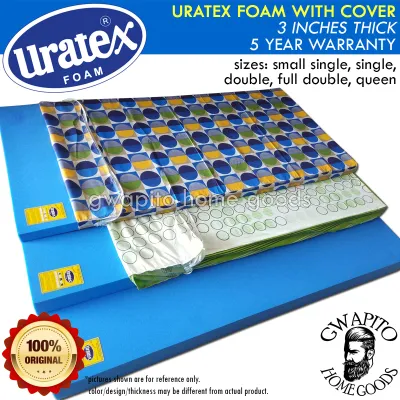
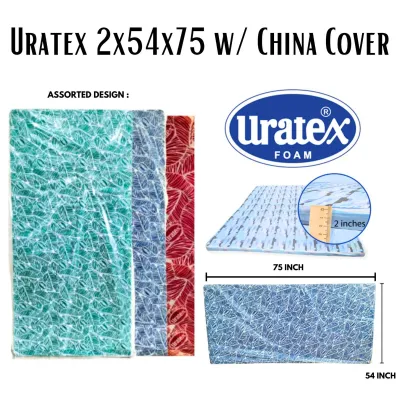
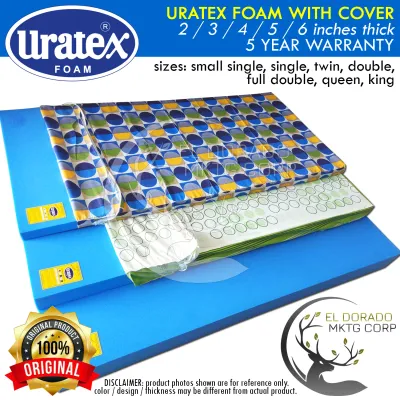
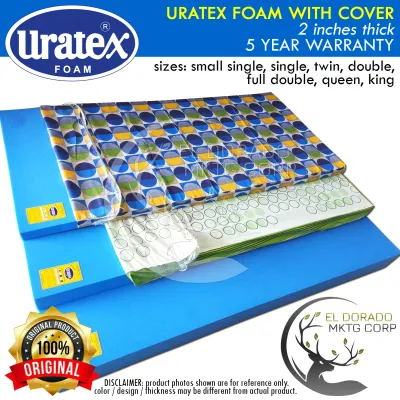
![ORIGINAL URATEX FOAM Mattress 3InchesX75 ALL SIZES ( 3x30x75 / 3x36x75 / 3x48x75 /3x54x75 / 3x60x75 / 3x72x75 - ALL COLOURS) [ S size / Single size / Double size / Full Double size / Queen size / King size ] BED FOAM - URATEX SALE - URATEX BED ON SALE](https://img.lazcdn.com/g/p/3a0d4deac1cd85810fc330f53c74bfdc.png_400x400q80.png_.webp)
![ORIGINAL URATEX FOAM Mattress 5InchesX75 ALL SIZES ( 5x30x75 / 5x36x75 / 5x48x75 /5x54x75 / 5x60x75 / 5x72x75 - ALL COLOURS) [ S size / Single size / Double size / Full Double size / Queen size / King size ] BED FOAM - URATEX SALE - URATEX BED ON SALE](https://img.lazcdn.com/g/p/265b99c873b198776c96068e7fbbcbd5.png_400x400q80.png_.webp)
Prices are valid at publication and may change. Please refer to the product page for the latest price.
In the Philippines, this heat retention is compounded by high ambient humidity, which frequently exceeds 80 percent during the rainy season. High humidity limits the air’s ability to absorb moisture, meaning the sweat your body naturally produces overnight has nowhere to go. Instead of evaporating quickly, moisture can pool on the surface of the mattress or seep into the upper layers of the foam. Over time, this trapped moisture can make the mattress feel damp, clammy, and noticeably softer than its original specification.
To mitigate these climate-related changes, you should carefully inspect the product specifications before purchasing. Check the manufacturer’s label for density ratings; higher-density foams generally offer longer-lasting support but may retain heat more intensely than lower-density, highly porous alternatives. Additionally, look for models that feature embossed patterns, ventilation channels, or breathable woven covers designed to facilitate surface-level air movement.
Evaluating the 30×75 Single Uratex Foam Mattress for Your Space
A 30×75 inch mattress (approximately 76 by 190 centimeters) is a specialized single size widely used in compact Filipino bedrooms, shared dormitories, and built-in bunk beds. Because this footprint is relatively narrow, a single sleeper’s body heat is concentrated over a very small surface area. If the mattress is placed in a room with poor ventilation, this concentrated thermal energy has limited space to dissipate, quickly creating a localized hot spot.

Room layout plays a critical role in how well a foam mattress performs. In many local households, space constraints require pushing the bed directly against a concrete wall. This configuration blocks lateral airflow, trapping warm, humid air along the side of the mattress. To improve thermal comfort, try to leave a small gap of at least one to two inches between the mattress edge and the wall to allow air to circulate freely around the bed.
The foundation supporting your mattress is equally important for moisture control. Placing a foam mattress directly on a solid plywood sheet or a concrete floor completely seals the underside, preventing trapped humidity from escaping. This lack of ventilation often leads to condensation, which can cause mold or mildew to develop on the bottom of the mattress. Opting for a slatted wooden or metal bed frame allows the underside of the foam to breathe, significantly reducing moisture buildup and helping the mattress dry out during the day.
Practical Ways to Keep a Foam Mattress Cool and Dry
If you choose a traditional foam mattress, your choice of bedding is the first line of defense against sleeping hot. Avoid synthetic fabrics like polyester or nylon, which act as thermal barriers and trap sweat against your skin. Instead, invest in sheets made from natural, highly breathable fibers such as 100% cotton, bamboo-derived rayon, or linen. These materials naturally wick moisture away from your body and allow air to pass through to the mattress surface.
While mattress protectors are essential for shielding the foam from spills and sweat, heavy, low-cost waterproof protectors lined with thick plastic or PVC can severely worsen heat retention. If you require liquid protection, look for breathable, polyurethane-membrane protectors that allow vapor to escape while keeping liquids out. Alternatively, a quilted cotton mattress pad can add a breathable, washable layer of insulation between your body and the warm foam.
Active room ventilation is crucial for maintaining a comfortable sleeping temperature. Position an electric stand fan or a wall fan to blow air directly across the surface of the bed to encourage evaporative cooling. If you use air conditioning, running a dehumidifier mode can help lower the room’s relative humidity, making the foam feel firmer and cooler. On dry, sunny days, strip the bedsheets entirely and let the bare mattress air out in a well-ventilated room to release any deep-seated moisture.
Regular maintenance will also extend the life of your mattress in a humid climate. Rotate the mattress 180 degrees every three to six months to ensure even wear and prevent a single spot from becoming permanently compressed and damp. If the mattress is double-sided, flip it over periodically to allow the underside to dry completely and recover its structural shape.
When to Consider Alternative Mattress Materials
Despite your best efforts with breathable sheets and fans, a traditional foam mattress may still feel too warm for some sleepers. Clear signs that a foam bed is not suited to your personal thermal needs include waking up consistently drenched in sweat, experiencing disrupted sleep due to overheating, or noticing a persistent musty odor coming from the foam. If you observe these issues, it may be time to explore alternative mattress constructions.
When comparing options, consider how different materials handle heat and airflow:
- Innerspring and Pocket Spring Mattresses: These designs feature open internal chambers that allow air to flow freely with your body movements, making them naturally cooler than solid foam.
- Gel-Infused Memory Foam: While still a foam product, these mattresses incorporate gel beads or layers designed to temporarily absorb and dissipate initial body heat, though they may still warm up over long periods.
- Natural Latex: Derived from rubber tree sap, natural latex features an open-cell structure and is often manufactured with ventilation pinholes, offering a cooler, more resilient sleeping surface than polyurethane foam, albeit at a higher price point.
Before making a purchase, visit a local showroom to test alternative options in person. Lie on the mattress for at least ten to fifteen minutes to observe how quickly the surface warms up under your body. Check the quality of the outer cover fabric, inspect the edge support to ensure you do not slide off the sides, and ask the sales representative for detailed specifications regarding the internal layers and breathability features.
Frequently Asked Questions (FAQ)
Can I use a cooling mattress topper on a standard foam mattress?
Yes, you can add a cooling mattress topper to alter the immediate surface feel of your bed. Toppers made from gel-infused memory foam, open-cell latex, or breathable fiberfill can create a temporary barrier that slows down heat transfer to the dense foam core underneath. However, keep in mind that a topper cannot change the fundamental heat-retaining properties of the thick base mattress. Ensure the topper you choose has a highly breathable cover, as a dense or synthetic cover on the topper can inadvertently trap more heat.
How often should I air out my foam mattress in a humid climate?
In a highly humid tropical climate, you should aim to air out your foam mattress at least once a week during your regular bedsheet changes. Strip all linens, mattress protectors, and pillows, and let the bare foam sit exposed for several hours with a room fan running or windows open to promote evaporation. Avoid placing polyurethane foam in direct, harsh sunlight for extended periods, as intense ultraviolet (UV) rays degrade the chemical structure of the foam, causing it to discolor, lose its elasticity, and crumble prematurely. Instead, opt for indirect sunlight or shaded, well-ventilated indoor spaces.

Community discussion
Share your experience or ask a question. Comments are reviewed before publication.